
For an athlete, an injury is more than just a physical setback. It can affect performance, confidence, training goals, and the ability to participate in the sport they love.
Whether it is a sprained ankle during a game, a knee injury while running, a shoulder problem from repetitive movement, or a muscle strain during training, the recovery process can determine how quickly and safely an athlete returns to competition.
Many athletes ask the same question after an injury: “How can I recover faster and get back to my sport?”
The answer is not simply resting until the pain disappears.
Successful sports injury recovery involves understanding the injury, restoring mobility, rebuilding strength, improving movement patterns, and gradually preparing the body for the demands of the sport.
This is where professional sports injury rehab and sports physical therapy play an important role.
Table of Contents
- Why Proper Sports Injury Recovery Matters
- Common Sports Injuries Athletes Experience
- How the Body Heals After a Sports Injury
- The Key Steps Athletes Follow to Recover Faster
- Why Professional Injury Evaluation Is Important
- How Sports Physical Therapy Helps Recovery
- Sports Injury Rehabilitation Exercises
- Why Strength Training Matters After Injury
- How Athletes Safely Return to Sports
- Preventing Future Sports Injuries
- Sports Injury Rehab in Houston
- Frequently Asked Questions
Important Note
A sports injury should not be measured only by how much pain you feel. Some injuries may feel better before the body is fully ready for intense activity. Proper rehabilitation helps athletes rebuild strength, confidence, and movement control so they can return to sports safely.
Why Proper Sports Injury Recovery Matters
Many athletes make the mistake of focusing only on getting rid of pain as quickly as possible.
While reducing pain is important, true recovery involves much more than feeling better.
An athlete may return to activity too soon because symptoms improve, but the injured tissues may still lack the strength, flexibility, or stability needed for high-level performance.
This can increase the risk of:
- Re-injury
- Reduced athletic performance
- Compensation injuries in other areas
- Long-term movement problems
For example, an athlete recovering from a knee injury may stop feeling pain but still have weakness in the muscles supporting the knee. Without proper rehabilitation, returning to sports too quickly may place additional stress on the joint.
A complete recovery plan focuses on restoring the athlete’s ability to perform, not just eliminating discomfort.
Common Sports Injuries Athletes Experience
Sports injuries can affect almost any part of the body depending on the activity, training level, and movement demands of the sport.
Sprains and Ligament Injuries
Sprains occur when ligaments, which connect bones together, are stretched or injured.
Common examples include:
- Ankle sprains
- Knee ligament injuries
- Wrist sprains
Even a minor sprain can affect balance, stability, and athletic performance if not properly rehabilitated.
Muscle Strains
Muscle strains happen when muscles or tendons are overstretched or damaged.
Common areas include:
- Hamstrings
- Calves
- Quadriceps
- Lower back muscles
Athletes often experience strains because of sudden movements, fatigue, poor mechanics, or insufficient recovery time.
Knee Injuries
The knee experiences significant stress during running, jumping, cutting, and changing direction.
Common sports-related knee injuries include:
- ACL injuries
- Meniscus injuries
- Patellofemoral pain
- Knee overuse injuries
Absolute Physical Therapy provides specialized rehabilitation for conditions such as ACL injuries and knee pain treatment.
Shoulder Injuries
Athletes involved in throwing, swimming, tennis, or contact sports often experience shoulder injuries.
Common shoulder problems include:
- Rotator cuff injuries
- Shoulder instability
- Tendon irritation
- Overuse injuries
Proper rehabilitation helps restore shoulder strength and control needed for athletic performance.
Tendon Injuries
Tendons connect muscles to bones and can become irritated through repetitive stress.
Examples include:
- Achilles tendon problems
- Tennis elbow
- Patellar tendon injuries
Athletes often require gradual strengthening to allow tendons to adapt safely.
How the Body Heals After a Sports Injury
Understanding the healing process can help athletes avoid rushing their recovery.
The body typically goes through several phases after an injury.
Inflammation Phase
Immediately after an injury, the body begins responding through inflammation.
This process helps start healing, but excessive inflammation can contribute to swelling, discomfort, and reduced movement.
During this phase, athletes often need protection, appropriate rest, and guidance on safe activity levels.
Repair Phase
During the repair phase, the body begins rebuilding damaged tissues.
This is when controlled movement and rehabilitation become important.
The goal is to provide enough activity to encourage healing without placing excessive stress on the injured area.
Remodeling Phase
The final phase involves strengthening and reorganizing healing tissues.
This phase is especially important for athletes because returning to sports requires the body to handle demanding movements again.
Strength training, balance exercises, and sport-specific drills are often introduced during this stage.
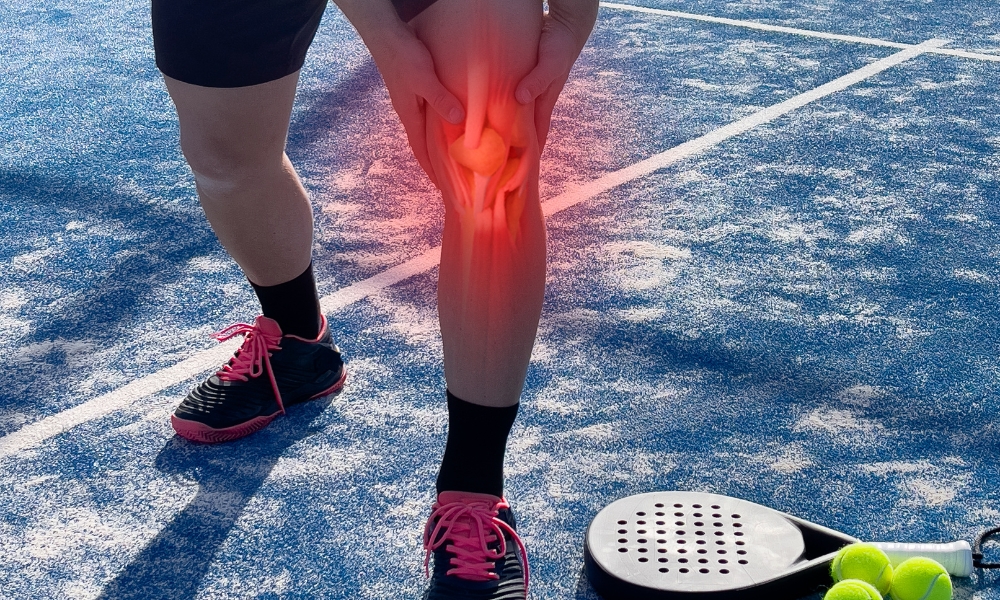
The Key Steps Athletes Follow to Recover Faster
Successful athletes understand that recovery requires a structured process.
Trying to skip steps may delay healing or increase the chance of another injury.
Step 1: Get the Injury Evaluated
The first step is understanding what happened.
A proper evaluation identifies:
- The injured structures
- The severity of the injury
- Movement limitations
- Strength deficits
- Factors contributing to the injury
Without knowing the actual problem, athletes may unknowingly continue movements that delay recovery.
Step 2: Control Pain and Swelling
Early recovery often focuses on managing symptoms so the body can begin healing effectively.
This may include:
- Activity modification
- Movement adjustments
- Therapeutic techniques
- Guided rehabilitation
Step 3: Restore Mobility
After injury, joints and muscles may become stiff.
Restoring normal movement is important because limited mobility can change how the body performs during sports.
Step 4: Rebuild Strength
Strength is one of the foundations of sports recovery.
Athletes need strong muscles to support joints, absorb force, and perform powerful movements.
Step 5: Return to Sport Gradually
Returning to competition requires preparation.
Athletes should gradually progress from basic movements to sport-specific activities.
This allows the body to adapt before facing full athletic demands.
Why Professional Injury Evaluation Is Important
Many athletes try to diagnose injuries themselves or rely only on online information.
While understanding symptoms can be helpful, injuries are not always straightforward.
Two athletes may experience similar pain but have completely different underlying problems.
A professional evaluation can identify:
- Why the injury happened
- What movements are limited
- Which muscles need strengthening
- How to safely return to activity
This personalized approach helps create a recovery plan based on the athlete’s specific needs.
How Sports Physical Therapy Helps Athletes Recover Faster
Sports physical therapy is one of the most effective approaches for helping athletes recover after injuries because it focuses on restoring the exact movements and physical abilities needed for their sport.
Unlike general recovery approaches that only focus on reducing pain, sports physical therapy addresses the entire picture, including strength, flexibility, coordination, balance, endurance, and movement patterns.
An athlete does not simply need to walk comfortably or complete everyday activities. They need to sprint, jump, throw, change direction, absorb impact, and perform repeated movements without putting unnecessary stress on the injured area.
A structured rehabilitation program helps bridge the gap between being injured and returning to competitive performance.
Personalized Treatment Plans for Each Athlete
Every athlete and every injury is different.
A professional athlete recovering from a ligament injury may require a different rehabilitation approach compared with a recreational runner recovering from a muscle strain.
A sports physical therapist considers:
- The athlete’s sport and position
- The type and severity of injury
- Current strength and mobility
- Performance goals
- Previous injury history
This allows treatment to be more specific and effective.
At Absolute Physical Therapy’s sports injury and performance rehabilitation program, treatment focuses on helping athletes restore movement, improve performance, and reduce the risk of future injuries.
Improving Mobility After Injury
After an injury, many athletes experience stiffness or reduced range of motion.
For example, a shoulder injury may make it difficult to raise the arm fully, while a knee injury may limit bending or straightening the leg.
Limited mobility can change the way an athlete moves and place additional stress on other parts of the body.
Physical therapy may include mobility exercises and movement techniques designed to gradually restore normal function.
Restoring Strength and Stability
Strength loss is common after sports injuries.
When an athlete reduces activity because of pain, muscles can become weaker and less coordinated.
Rebuilding strength helps the injured area handle the demands of sports again.
A rehabilitation program may focus on:
- Muscle strength
- Joint stability
- Balance control
- Core strength
- Sport-specific power
Strong muscles provide support and help protect joints during athletic movements.
Correcting Movement Problems
Many sports injuries happen because of repeated stress, poor movement patterns, muscle imbalances, or training errors.
Simply treating the injured area may not address the reason the injury occurred.
A sports physical therapist evaluates movement patterns to identify problems such as:
- Poor landing mechanics
- Incorrect running technique
- Muscle weakness
- Limited flexibility
- Balance problems
Correcting these issues can improve performance while reducing future injury risk.
Important Note
Recovery timelines are different for every athlete. A faster return does not always mean a better recovery. Returning before strength, mobility, and movement control are restored can increase the chance of another injury. A structured rehabilitation plan helps athletes return with greater confidence and readiness.
Sports Injury Rehabilitation Exercises That Help Athletes Recover
Exercises are a major part of sports injury rehab because they help rebuild the physical abilities needed for athletic performance.
The right exercises depend on the injury, but most rehabilitation programs progress through several stages.
Range of Motion Exercises
Early in recovery, athletes often focus on restoring comfortable movement.
These exercises help prevent stiffness and prepare the body for more advanced strengthening.
Examples may include:
- Gentle stretching
- Controlled joint movements
- Mobility drills
Strengthening Exercises
Once movement improves, strengthening becomes an important focus.
Strength exercises help rebuild the muscles that support injured areas.
For example:
- Leg strengthening after knee injuries
- Shoulder strengthening after throwing injuries
- Hip strengthening for running-related injuries
Balance and Stability Training
Balance training is especially important after injuries involving joints such as the ankle and knee.
Athletes rely on balance and coordination for quick reactions during sports.
Exercises may include:
- Single-leg movements
- Stability drills
- Coordination exercises
Sport-Specific Training
The final stages of rehabilitation often involve movements that closely match the athlete’s sport.
A soccer player may need cutting and sprinting drills, while a basketball player may need jumping and landing exercises.
This prepares the body for the real demands of competition.
Why Strength Training Matters After a Sports Injury
Many athletes underestimate the importance of strength training during recovery.
They may focus on pain reduction but avoid strengthening because they are afraid of causing another injury.
However, rebuilding strength is one of the most important steps toward a successful return.
Weak muscles may force other structures to work harder, increasing stress on joints and connective tissues.
Strength training helps athletes:
- Improve stability
- Increase endurance
- Generate power
- Improve movement control
- Protect injured areas
The Importance of Core Strength
The core plays an important role in athletic performance.
A strong core helps control movement and transfer force between the upper and lower body.
Poor core control may contribute to inefficient movement and increased injury risk.
Building Strength Gradually
Strength training after injury should be progressive.
Athletes usually begin with controlled movements and gradually increase resistance, intensity, and complexity.
This allows the body to adapt safely.
How Athletes Safely Return to Sports After Injury
Returning to sports is one of the most important stages of recovery.
Many athletes feel mentally ready before their body is physically prepared.
A safe return-to-sport plan considers more than pain levels.
Athletes should have adequate:
- Strength
- Mobility
- Balance
- Endurance
- Confidence
Gradual Progression
A common mistake is going from complete rest directly back into full competition.
A better approach is gradual progression:
- Basic movements
- Sport-specific drills
- Practice sessions
- Competitive activity
This allows the body to adjust to increasing demands.
Listening to Warning Signs
Athletes should pay attention to signs that the body may not be ready.
Warning signs may include:
- Increasing pain after activity
- Persistent swelling
- Loss of strength
- Changes in movement
These signs may indicate that the progression needs adjustment.
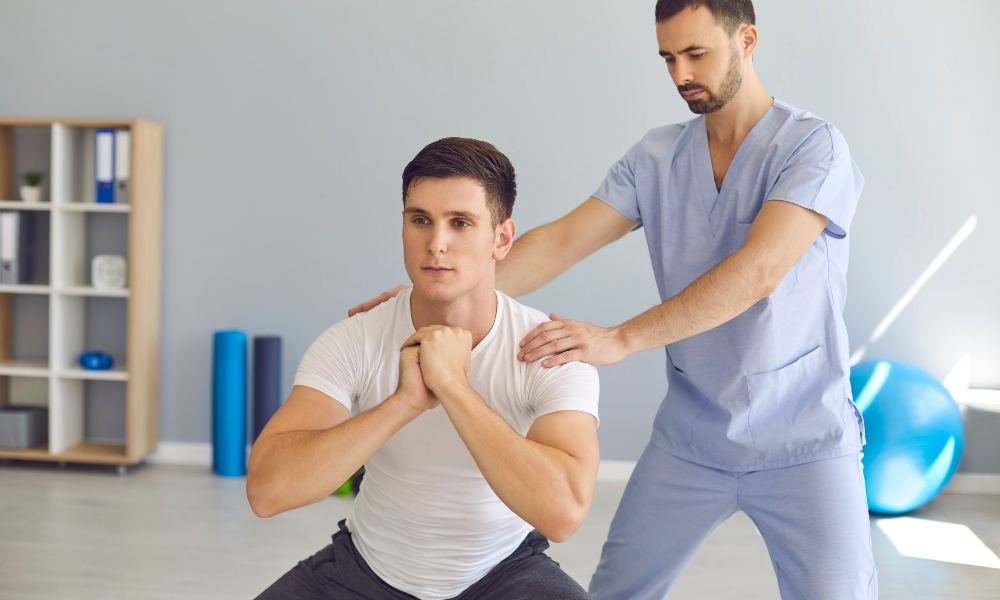
How Athletes Can Prevent Future Sports Injuries
Recovery is not only about returning to sports. It is also about staying healthy after returning.
Injury prevention strategies help athletes continue performing while reducing unnecessary stress on the body.
Warm Up Properly
A proper warm-up prepares muscles, joints, and the nervous system for activity.
Dynamic movements before training or competition can improve readiness and mobility.
Focus on Proper Technique
Good technique allows athletes to perform movements efficiently.
Poor mechanics during running, jumping, lifting, or throwing can increase stress on certain areas.
Allow Adequate Recovery Time
Training without enough recovery can contribute to overuse injuries.
Rest, nutrition, sleep, and appropriate training schedules all support athletic health.
Continue Strength and Mobility Training
Rehabilitation exercises should not always stop once an athlete returns to sports.
Many exercises used during recovery can continue as part of a long-term injury prevention program.
Sports Injury Rehab in Houston: Helping Athletes Return Stronger
Recovering from a sports injury can be challenging, especially when an athlete is eager to return to training, competition, or the activities they enjoy.
Whether the injury happened during a professional competition, school sports, recreational exercise, or regular fitness training, the right rehabilitation approach can make a significant difference in recovery outcomes.
At Absolute Physical Therapy, athletes receive personalized care designed around their injury, movement limitations, and performance goals.
The focus is not only on helping reduce pain but also on rebuilding the strength, flexibility, coordination, and confidence needed for a safe return to activity.
Sports injury rehabilitation may help athletes recovering from conditions such as:
- ACL injuries
- Muscle strains
- Ligament sprains
- Shoulder injuries
- Tendon problems
- Overuse injuries
- Sports-related joint pain
Absolute Physical Therapy also provides specialized treatment for conditions including Achilles tendon injuries, rotator cuff problems, and other sports-related conditions that affect performance.
Why Choose Sports Physical Therapy After an Injury?
Athletes often want to return as quickly as possible, but returning too soon can create setbacks.
Sports physical therapy provides a structured pathway that helps athletes rebuild their physical abilities step by step.
A personalized program may include:
- Injury assessment
- Mobility restoration
- Strength development
- Balance training
- Performance-focused exercises
- Return-to-sport preparation
This approach helps athletes address the injury while also improving the movement patterns that support long-term performance.
Frequently Asked Questions About Sports Injury Recovery
How long does it take to recover from a sports injury?
The recovery time depends on the type and severity of the injury, the athlete’s overall health, and how consistently they follow rehabilitation recommendations. Minor injuries may improve within weeks, while more serious injuries may require several months of structured rehab.
Can physical therapy speed up sports injury recovery?
Physical therapy can support recovery by improving mobility, rebuilding strength, reducing movement limitations, and preparing the body for a safe return to sports. A personalized rehabilitation plan helps ensure exercises match the athlete’s current condition.
Should athletes rest completely after an injury?
Rest may be helpful immediately after some injuries, but complete inactivity for too long can lead to stiffness and weakness. Many athletes benefit from guided movement and progressive rehabilitation rather than avoiding activity completely.
How do I know if I am ready to return to sports?
Athletes should consider factors such as strength, mobility, balance, endurance, and confidence before returning. Being pain-free is important, but it does not always mean the body is ready for full athletic demands.
What is the difference between regular physical therapy and sports physical therapy?
Both approaches focus on improving movement and function, but sports physical therapy often includes sport-specific training designed around athletic performance, competition demands, and injury prevention.
Can sports physical therapy prevent future injuries?
Yes. Rehabilitation often identifies weaknesses, mobility problems, or movement patterns that may contribute to injuries. Correcting these issues can help athletes reduce future injury risk.
Final Thoughts: Recovering From Sports Injuries the Right Way
A sports injury does not have to end an athlete’s progress, but recovery requires more than simply waiting for pain to disappear.
The strongest recoveries happen when athletes take a structured approach that focuses on healing, rebuilding strength, improving movement, and preparing the body for future performance.
Sports injury rehab helps athletes understand their bodies, overcome limitations, and return to their activities with greater confidence.
Whether you are recovering from a sudden injury or dealing with ongoing discomfort caused by repetitive training, professional guidance can help you move toward your goals safely.
At Absolute Physical Therapy, the goal is to help athletes recover, perform better, and stay active through personalized sports physical therapy and rehabilitation programs.
Medical Disclaimer: This article is for informational purposes only and should not replace professional medical advice, diagnosis, or treatment. If you have experienced a sports injury or ongoing pain, consult a qualified healthcare provider for an appropriate evaluation.