
Shoulder pain can make even simple daily activities feel frustrating. Reaching for something on a shelf, putting on a shirt, lifting a child, exercising, or sleeping comfortably can become difficult when your shoulder is injured.
One of the most common causes of shoulder discomfort is a rotator cuff injury. The rotator cuff is a group of muscles and tendons that help stabilize your shoulder joint and allow your arm to move smoothly in different directions.
When these tissues become irritated, strained, or torn, symptoms can range from mild soreness to significant weakness and limited movement.
Many people wonder, “Is my shoulder pain just a strain, or could it be a rotator cuff problem?” Understanding the signs, causes, and treatment options can help you take the right steps toward recovery.
The good news is that many rotator cuff injuries improve with proper care. A personalized treatment plan that includes strengthening, mobility exercises, and targeted shoulder therapy can help restore function and reduce pain without always requiring surgery.
Table of Contents
- What Is a Rotator Cuff Injury?
- Understanding the Rotator Cuff
- Common Causes of Rotator Cuff Injuries
- Rotator Cuff Injury Symptoms
- Different Types of Rotator Cuff Injuries
- How Rotator Cuff Injuries Are Diagnosed
- Rotator Cuff Injury Treatment Options
- How Shoulder Therapy Helps Recovery
- Rotator Cuff Injury Recovery Timeline
- How to Prevent Rotator Cuff Problems
- Rotator Cuff Treatment in Houston
- Frequently Asked Questions
Important Note
Your shoulder is involved in almost every upper-body movement you make. Ignoring ongoing shoulder pain can sometimes allow an injury to worsen. This guide explains the warning signs of rotator cuff problems, when to seek help, and how proper treatment can support a safer and stronger recovery.
What Is a Rotator Cuff Injury?
A rotator cuff injury occurs when one or more of the muscles or tendons that support the shoulder joint become irritated, inflamed, damaged, or torn.
The shoulder is one of the most mobile joints in the human body. Unlike joints that primarily move in one direction, the shoulder allows your arm to rotate, lift, and reach in many different positions.
This wide range of motion is possible because of the coordinated work between:
- Rotator cuff muscles
- Tendons
- Shoulder blade muscles
- Ligaments
- Joint structures
The rotator cuff helps keep the upper arm bone securely positioned within the shoulder socket while allowing controlled movement.
When the rotator cuff becomes injured, the shoulder may become painful, weak, or unstable.
Some people notice symptoms suddenly after an accident or lifting injury. Others experience gradual discomfort caused by repetitive movements, aging-related changes, or overuse.
Understanding the Rotator Cuff
The rotator cuff consists of four muscles and their tendons. Together, these structures help control shoulder movement and stability.
The four primary rotator cuff muscles are:
- Supraspinatus: Helps lift the arm away from the body and is commonly involved in rotator cuff injuries.
- Infraspinatus: Helps with outward rotation of the shoulder.
- Teres minor: Assists with external rotation and shoulder stability.
- Subscapularis: Helps rotate the arm inward.
Because these tendons work together every time you move your arm, repetitive stress or injury can affect shoulder function.
Rotator cuff problems may develop from a single event, such as falling on your shoulder, or gradually from repeated overhead activities.

Common Causes of Rotator Cuff Injuries
Rotator cuff injuries can happen for many different reasons. Some occur because of sudden trauma, while others develop slowly due to repeated stress on the shoulder.
Overuse and Repetitive Shoulder Movements
Repeated overhead movements are one of the most common contributors to rotator cuff irritation.
Activities that may increase shoulder stress include:
- Throwing sports
- Swimming
- Weightlifting
- Painting
- Construction work
- Repeated overhead reaching
When the shoulder performs the same movement repeatedly without enough recovery, the tendons may become irritated over time.
Sports-Related Injuries
Athletes who frequently use their shoulders are at higher risk for rotator cuff problems.
Sports involving throwing, swinging, or overhead motion require significant shoulder control and strength.
A sudden increase in training intensity, improper technique, or inadequate recovery may contribute to injury.
Age-Related Changes
As people get older, tendons naturally experience changes that may make them more vulnerable to irritation.
This does not mean shoulder pain is an unavoidable part of aging. Maintaining strength, mobility, and healthy movement patterns can help support shoulder function.
Sudden Injuries
A rotator cuff injury can also occur suddenly from trauma.
Examples include:
- Falling on an outstretched arm
- Lifting something heavy incorrectly
- A sudden pulling movement
- Sports collisions
Sudden injuries may cause immediate pain and weakness, especially if a tendon is significantly damaged.
Rotator Cuff Injury Symptoms
The symptoms of a rotator cuff injury can vary depending on the severity and type of damage.
Some people experience mild discomfort, while others notice significant limitations with everyday activities.
Shoulder Pain
Pain is one of the most common signs of a rotator cuff problem.
The discomfort may occur:
- During arm movement
- While lifting objects
- When reaching overhead
- At night while sleeping
- When lying on the affected shoulder
Many people describe rotator cuff pain as a deep ache inside the shoulder rather than surface-level soreness.
Shoulder Weakness
A weakened rotator cuff can make certain movements feel difficult.
You may notice:
- Difficulty lifting your arm
- Reduced strength when carrying objects
- Trouble performing overhead activities
- A feeling that your shoulder is unstable
Limited Range of Motion
Shoulder stiffness may make it harder to move your arm normally.
Some people struggle with:
- Reaching behind their back
- Putting on clothing
- Brushing their hair
- Reaching overhead
Pain at Night
Nighttime shoulder pain is a common complaint among people with rotator cuff issues.
Some individuals wake up because pressure on the shoulder increases discomfort while sleeping.
Night pain does not automatically mean you need surgery, but persistent symptoms should be evaluated.
Different Types of Rotator Cuff Injuries
Not every rotator cuff injury is the same. The severity, location, and cause of the injury can influence your symptoms and the best treatment approach.
Rotator Cuff Tendinitis
Rotator cuff tendinitis occurs when the tendons become irritated or inflamed.
This condition often develops gradually due to repetitive movements, overuse, or poor shoulder mechanics.
Common symptoms include:
- Shoulder aching
- Pain with overhead movements
- Tenderness around the shoulder
- Discomfort that worsens with activity
With proper rest, movement correction, and targeted rehabilitation, many cases improve without invasive treatment.
Rotator Cuff Impingement
Shoulder impingement occurs when the rotator cuff tendons become compressed or irritated during movement.
This may happen when the space around the shoulder joint becomes reduced due to inflammation, muscle imbalance, or movement limitations.
People with shoulder impingement often notice pain when:
- Lifting the arm overhead
- Reaching behind their back
- Performing repetitive shoulder activities
Physical therapy can help improve shoulder mechanics and reduce stress on irritated tissues.
Partial Rotator Cuff Tear
A partial tear means the tendon is damaged but not completely separated.
Symptoms may include:
- Shoulder pain
- Weakness
- Difficulty with certain movements
- Reduced shoulder endurance
Many partial tears can be managed with conservative treatment, especially when addressed early.
Complete Rotator Cuff Tear
A complete tear occurs when the tendon separates fully from the bone.
This type of injury may cause more noticeable weakness and difficulty using the shoulder.
Some people with complete tears may require surgical consultation, while others may improve with non-surgical approaches depending on factors such as age, activity level, symptoms, and overall health.
How Rotator Cuff Injuries Are Diagnosed
Proper diagnosis is an important step in creating an effective treatment plan.
A healthcare professional will typically evaluate your symptoms, movement patterns, strength, and shoulder function.
The evaluation may include:
Medical History Discussion
Your provider may ask questions such as:
- When did the shoulder pain begin?
- Did it happen suddenly or gradually?
- What activities increase your pain?
- Are you experiencing weakness?
- Does the pain affect your sleep?
Understanding how symptoms developed helps identify possible causes.
Physical Examination
A physical examination may assess:
- Shoulder range of motion
- Muscle strength
- Joint stability
- Pain patterns
- Movement limitations
Physical therapists often look beyond the shoulder itself because problems in posture, upper back mobility, or muscle coordination can influence shoulder function.
Imaging Tests
In some cases, imaging may be recommended to better understand the condition.
Depending on the situation, healthcare providers may use:
- X-rays
- MRI scans
- Ultrasound imaging
However, imaging results are only one part of the diagnosis. Symptoms and physical function are equally important when deciding on treatment.
Rotator Cuff Injury Treatment Options
The best treatment for a rotator cuff injury depends on factors such as the severity of the injury, your activity level, your goals, and how your shoulder responds to care.
Many people improve with non-surgical treatment focused on reducing pain, restoring movement, and rebuilding shoulder strength.
Rest and Activity Modification
Reducing activities that worsen symptoms can give irritated tissues time to recover.
This does not mean avoiding all movement. Complete inactivity may lead to stiffness and weakness.
Instead, the goal is to modify activities while maintaining healthy movement.
Physical Therapy
Physical therapy is a key treatment option for many rotator cuff injuries.
A structured rehabilitation program focuses on:
- Reducing shoulder pain
- Improving flexibility
- Strengthening shoulder muscles
- Restoring movement patterns
- Preventing future injuries
Physical therapy is personalized because every shoulder injury is different.
A professional therapist considers your symptoms, lifestyle, work demands, and recovery goals when designing your program.
Anti-Inflammatory Approaches
Some individuals may use medications or other pain management strategies to reduce discomfort.
These options should be discussed with a healthcare professional to determine what is appropriate for your situation.
Corticosteroid Injections
In some cases, injections may be considered to help manage inflammation and pain.
They may provide temporary relief, but they do not address underlying strength, mobility, or movement issues.
Rehabilitation is often still recommended to improve shoulder function.
Surgery
Surgery may be considered for certain severe injuries, especially complete tears, significant weakness, or cases that do not improve with conservative treatment.
However, many people can achieve meaningful improvement without surgery through appropriate rehabilitation.
Important Note
Shoulder pain does not always mean you have a serious tear, and a diagnosis should not be based only on symptoms found online. Some injuries improve with proper therapy, while others need additional evaluation. Getting the right assessment can prevent unnecessary worry and help you choose the most effective treatment path.
How Shoulder Therapy Helps Recovery
Shoulder therapy focuses on restoring the way your shoulder moves, not just reducing pain temporarily.
A healthy shoulder requires coordination between the rotator cuff, shoulder blade, upper back, and surrounding muscles.
When one area becomes weak or restricted, another area may compensate, creating additional stress.
A shoulder therapy program may include:
Mobility Exercises
Gentle mobility exercises help restore comfortable movement and reduce stiffness.
These exercises may focus on:
- Improving shoulder flexibility
- Restoring range of motion
- Reducing movement restrictions
Strength Training
Strengthening the rotator cuff and supporting muscles helps improve shoulder stability.
Exercises may target:
- Rotator cuff muscles
- Shoulder blade stabilizers
- Upper back muscles
- Core support muscles
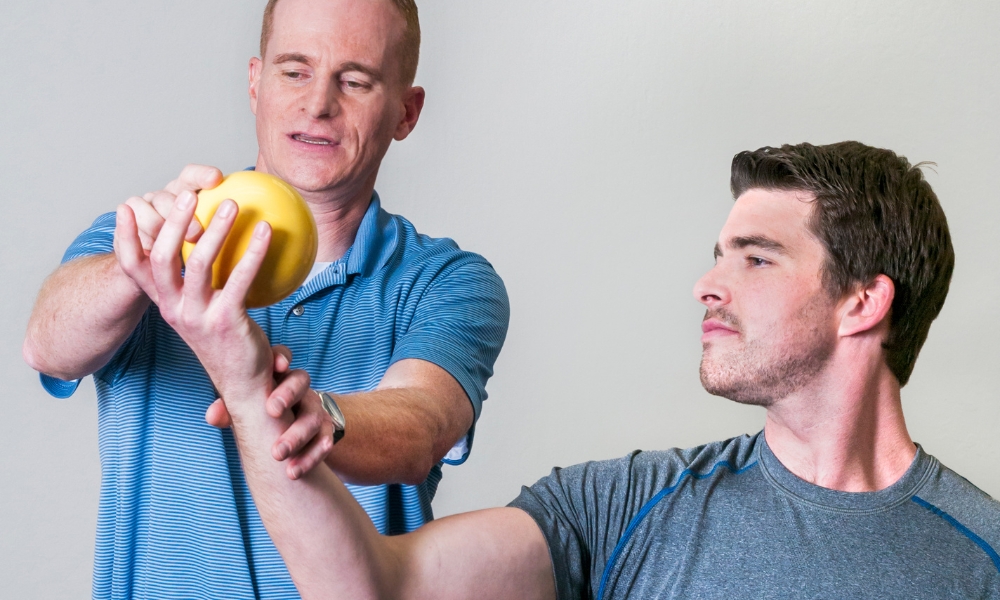
Movement Retraining
Many shoulder problems are connected to how the shoulder moves during daily activities.
Physical therapists help patients learn healthier movement patterns for lifting, reaching, exercising, and working.
Rotator Cuff Injury Recovery Timeline
One of the most common questions people ask after a rotator cuff injury is, “How long will it take to recover?”
The answer depends on several factors, including the type of injury, severity, your overall health, activity level, and how consistently you follow your treatment plan.
Some mild rotator cuff injuries may improve within several weeks, while more complex injuries may require several months of rehabilitation.
Mild Rotator Cuff Irritation
Mild cases involving inflammation or minor irritation may improve with activity modification, targeted exercises, and proper rehabilitation.
During this stage, treatment often focuses on:
- Reducing pain and irritation
- Restoring comfortable movement
- Improving shoulder control
Moderate Rotator Cuff Injuries
Partial tears or more significant tendon irritation may require a longer recovery period.
The focus is usually on gradually rebuilding strength and improving the shoulder’s ability to handle daily demands.
A patient may progress through different stages, including:
- Pain management
- Mobility restoration
- Strength development
- Return to normal activities
Recovery After Surgery
If surgery is needed, recovery may take several months and often involves a structured rehabilitation program.
Physical therapy plays an important role after surgery by helping restore movement, rebuild strength, and safely return to activities.
Following the recommended recovery process is important because returning to heavy activities too quickly can increase the risk of reinjury.
How to Prevent Rotator Cuff Problems
While some shoulder injuries happen unexpectedly, many rotator cuff problems can be reduced by maintaining healthy movement habits and shoulder strength.
Strengthen Your Shoulder Muscles
Strong shoulder muscles help support the joint and improve stability.
Regular strengthening exercises can help prepare your shoulder for daily activities, sports, and physical demands.
A balanced program should focus not only on the rotator cuff but also on the muscles that control the shoulder blade and upper back.
Warm Up Before Exercise
Jumping directly into intense activity without preparing your muscles may increase injury risk.
A proper warm-up helps increase blood flow, improve mobility, and prepare your shoulder for movement.
Avoid Sudden Increases in Activity
Many overuse injuries happen when people suddenly increase the amount or intensity of an activity.
Examples include:
- Increasing weightlifting too quickly
- Throwing more frequently than usual
- Starting intense workouts without preparation
Gradual progression gives your tissues time to adapt.
Maintain Good Posture
Your posture affects how your shoulder functions.
Rounded shoulders and limited upper back mobility may change shoulder mechanics and increase stress during movement.
Improving posture habits can support better shoulder alignment and movement efficiency.
Rotator Cuff Treatment in Houston
Shoulder pain can affect nearly every part of your routine. Simple movements like reaching overhead, carrying groceries, exercising, or sleeping comfortably can become challenging when the rotator cuff is irritated.
For people searching for rotator cuff injury treatment Houston, the goal is not only to reduce pain but also to restore strength, mobility, and confidence in using the shoulder again.
At Absolute Physical Therapy, shoulder therapy focuses on personalized care designed around your specific symptoms and recovery goals.
A comprehensive evaluation helps identify:
- The cause of your shoulder pain
- Movement limitations
- Strength differences
- Activities contributing to symptoms
- The best path toward recovery
Treatment may include therapeutic exercises, mobility training, strengthening, and movement correction strategies to help improve shoulder function.
Whether your shoulder pain developed from sports, work activities, overuse, aging-related changes, or an injury, professional guidance can help you understand your options.
If shoulder discomfort is preventing you from doing the activities you enjoy, seeking early care may help prevent symptoms from becoming more limiting.
Frequently Asked Questions About Rotator Cuff Injuries
What are the first signs of a rotator cuff injury?
The first signs of a rotator cuff injury may include shoulder pain, weakness, difficulty lifting your arm, discomfort with overhead activities, and pain that worsens at night.
Can a rotator cuff injury heal without surgery?
Yes, many rotator cuff injuries improve without surgery. Physical therapy, strengthening exercises, activity adjustments, and proper rehabilitation can help many people recover.
What does a torn rotator cuff feel like?
A torn rotator cuff may cause shoulder pain, weakness, difficulty raising the arm, and reduced ability to perform certain movements. Some people also experience pain while sleeping.
How long does a rotator cuff injury take to heal?
Recovery time varies depending on the severity of the injury. Mild injuries may improve within weeks, while larger tears or complex conditions may require months of rehabilitation.
Can physical therapy help a rotator cuff tear?
Yes. Physical therapy can help improve shoulder strength, mobility, and function. It may be recommended as a first-line treatment for many rotator cuff conditions.
Should I exercise with a rotator cuff injury?
Exercise can be helpful, but the type of exercise matters. Performing the wrong movements may increase irritation. A physical therapist can recommend exercises appropriate for your condition.
Why does my shoulder hurt more at night?
Rotator cuff injuries often cause nighttime discomfort because certain sleeping positions can place pressure on irritated tissues.
When should I see a doctor for shoulder pain?
You should seek professional evaluation if shoulder pain lasts more than a few weeks, gets worse, follows an injury, causes weakness, or limits your ability to perform daily activities.
Can rotator cuff injuries come back?
Yes, recurring symptoms can happen if underlying strength, mobility, or movement issues are not addressed. Rehabilitation and prevention strategies can help reduce the risk of future problems.
Conclusion
A rotator cuff injury can make everyday movements painful and frustrating, but shoulder pain does not have to become a permanent limitation.
Understanding the symptoms, causes, and treatment options can help you make informed decisions about your recovery.
Many people improve with the right combination of physical therapy, strengthening exercises, movement correction, and gradual return to activity.
The most effective approach is one that addresses the reason your shoulder became irritated in the first place, rather than only treating discomfort temporarily.
If you are experiencing ongoing shoulder pain, weakness, or difficulty moving your arm, a professional evaluation can help determine the best next step.
With proper care and a personalized rehabilitation plan, many people regain strength, improve mobility, and return to the activities they enjoy.
Medical Disclaimer: This article is for informational purposes only and does not replace professional medical advice, diagnosis, or treatment. Always consult a qualified healthcare provider for concerns related to shoulder pain, injuries, or medical conditions.