
Living with arthritis pain can make everyday movements feel more challenging than they should. Activities that once felt effortless, such as walking, climbing stairs, getting up from a chair, or opening a jar, may become uncomfortable because of stiffness, joint pain, or reduced mobility.
Many people with arthritis wonder if exercise will make their symptoms worse. It is understandable to feel cautious when your joints already hurt. However, the right type of movement can often become one of the most effective tools for managing arthritis symptoms.
Physical therapy exercises for arthritis are designed to strengthen the muscles surrounding painful joints, improve flexibility, support better movement patterns, and help people stay active with less discomfort.
While arthritis cannot always be completely reversed, appropriate exercise and personalized rehabilitation can help improve quality of life and make daily activities easier.
This guide explains the best physical therapy exercises for arthritis pain, why movement helps joint health, which exercises may be beneficial, and when professional guidance may be needed.
Table of Contents
- What Is Arthritis Pain and Why Does It Happen?
- Can Exercise Really Help Arthritis Pain?
- Different Types of Arthritis That Cause Joint Pain
- Best Physical Therapy Exercises for Arthritis Pain
- Strengthening Exercises for Arthritis
- Mobility and Flexibility Exercises
- Low-Impact Exercises for Joint Health
- Common Exercise Mistakes With Arthritis
- How Physical Therapy Helps Arthritis Management
- When Should You See a Physical Therapist?
- Tips for Protecting Your Joints
- Arthritis Pain Relief in Houston
- Frequently Asked Questions
Important Note
Arthritis pain can affect more than just your joints — it can influence your confidence, independence, and ability to enjoy daily activities. Understanding how safe movement and targeted exercises support joint health can help you take a more active role in managing symptoms and maintaining mobility.
What Is Arthritis Pain and Why Does It Happen?
Arthritis refers to a group of conditions that cause inflammation, irritation, or changes within the joints. The most common type is osteoarthritis, which develops when the protective cartilage inside a joint gradually changes over time.
Healthy joints rely on smooth surfaces and supportive tissues that allow bones to move comfortably against each other. When arthritis affects the joint, movement may become more difficult because of changes involving cartilage, inflammation, surrounding muscles, or joint mechanics.
Common symptoms of arthritis include:
- Joint pain
- Stiffness
- Swelling
- Reduced range of motion
- Tenderness around the joint
- Difficulty performing daily activities
Arthritis can affect many areas of the body, including:
- Knees
- Hips
- Hands
- Shoulders
- Spine
- Feet and ankles
Although arthritis is often associated with aging, it can affect adults of different ages depending on factors such as previous injuries, genetics, activity level, and overall joint health.
Why Does Arthritis Cause Pain?
Arthritis pain can develop for several reasons.
The joint may become painful because of:
- Inflammation inside or around the joint
- Changes in cartilage and joint surfaces
- Weakness in supporting muscles
- Reduced flexibility
- Increased stress on certain movements
One important factor is that weak muscles can place additional demand on the joint. For example, when the muscles around the knee are weak, the knee may have to handle more stress during walking, standing, or climbing stairs.
This is why strengthening and movement training are important parts of arthritis management.
Can Exercise Really Help Arthritis Pain?
Yes. The right exercises can help many people manage arthritis pain and improve daily function.
While it may seem logical to avoid movement when a joint hurts, too much inactivity can actually create additional problems.
When you stop using a joint regularly:
- Muscles may become weaker
- Joints may become stiffer
- Balance may decline
- Daily movements may become more difficult
Appropriate exercise helps create a healthier environment around the joint.
How Exercise Helps Arthritis Symptoms
Physical therapy exercises can help by:
- Strengthening muscles that support painful joints
- Improving flexibility and mobility
- Increasing confidence with movement
- Supporting better posture and alignment
- Reducing stiffness
- Improving overall physical function
For example, someone with knee osteoarthritis may benefit from strengthening the thigh and hip muscles because these muscles help absorb forces during walking and stair climbing.
Someone with shoulder arthritis may benefit from mobility exercises that help maintain comfortable movement and reduce stiffness.
The key is choosing exercises that match your condition, symptoms, and current abilities.
Different Types of Arthritis That Cause Joint Pain
There are many forms of arthritis, but two common types associated with joint pain are osteoarthritis and inflammatory arthritis.
Osteoarthritis
Osteoarthritis is the most common form of arthritis.
It occurs when the tissues inside a joint experience gradual changes over time.
Commonly affected areas include:
- Knees
- Hips
- Hands
- Spine
People with osteoarthritis often experience:
- Pain that increases with activity
- Morning stiffness
- Reduced joint movement
- Difficulty with weight-bearing activities
Inflammatory Arthritis
Inflammatory arthritis involves immune system activity that can affect joints.
Examples include rheumatoid arthritis and other inflammatory conditions.
Symptoms may include:
- Joint swelling
- Warmth around joints
- Morning stiffness
- Fatigue
Exercise recommendations may differ depending on the type and severity of arthritis, which is why individualized guidance can be valuable.

Best Physical Therapy Exercises for Arthritis Pain
The best exercises for arthritis focus on improving strength, mobility, and function without placing unnecessary stress on the joints.
A physical therapist may recommend a combination of strengthening exercises, flexibility exercises, balance training, and low-impact activities.
1. Range of Motion Exercises
Range of motion exercises help keep joints moving comfortably.
These exercises are especially helpful for people who experience stiffness.
Examples may include:
- Gentle knee bends
- Shoulder circles
- Ankle movements
- Gentle joint rotations
The goal is not to force movement but to maintain comfortable mobility.
2. Strengthening Exercises
Strength training is one of the most important components of arthritis management.
Stronger muscles help support joints and reduce the workload placed on them during everyday activities.
Examples may include:
- Leg strengthening exercises for knee arthritis
- Hip strengthening exercises
- Resistance exercises for shoulder support
- Core strengthening for spine support
3. Gentle Stretching Exercises
Stretching can help improve flexibility and reduce stiffness around painful joints.
When muscles and surrounding tissues become tight, they may limit movement and increase stress on the joint.
Gentle stretching exercises may focus on:
- Hamstrings
- Calf muscles
- Hip muscles
- Shoulder muscles
- Lower back muscles
The goal of stretching is not to force a joint into uncomfortable positions. Instead, controlled and consistent movement helps maintain flexibility and support better function.
4. Balance and Stability Exercises
Arthritis, especially in the knees, hips, and ankles, can sometimes affect balance and confidence during movement.
Balance exercises help improve body awareness and reduce the risk of falls.
Examples may include:
- Standing balance exercises
- Weight shifting movements
- Controlled single-leg activities
- Functional movement training
A physical therapist can adjust these exercises based on your ability level and safety needs.
Strengthening Exercises for Arthritis
Strengthening exercises are a major part of physical therapy for arthritis because stronger muscles provide better support around painful joints.
Many people with arthritis avoid strengthening because they worry it will increase pain. However, when performed correctly and progressed gradually, strengthening can improve joint function and reduce strain.
Quadriceps Strengthening for Knee Arthritis
The quadriceps muscles help support and control the knee during activities such as walking, standing, and climbing stairs.
Weak quadriceps muscles may increase stress on the knee joint.
Common exercises may include:
- Straight leg raises
- Seated knee extensions
- Supported mini squats
These exercises are often modified depending on pain levels and mobility.
Hip Strengthening Exercises
The muscles around your hips play an important role in controlling movement throughout your lower body.
Strong hip muscles can help improve alignment and reduce unnecessary stress on the knees and lower back.
Examples include:
- Side leg raises
- Hip bridges
- Standing hip exercises
Core Strengthening Exercises
A strong core supports your spine and helps your body move efficiently.
For people with arthritis affecting the back or hips, core strengthening may help improve stability during daily activities.
Exercises should always be adjusted based on your condition and comfort level.
Mobility and Flexibility Exercises for Arthritis
Joint stiffness is one of the most common complaints among people with arthritis.
Mobility exercises focus on helping joints move through comfortable ranges while reducing stiffness and maintaining function.
Knee Mobility Exercises
For knee arthritis, gentle movements can help maintain flexibility.
Examples may include:
- Heel slides
- Gentle knee bends
- Leg extensions
These movements encourage the knee joint to move without excessive stress.
Shoulder Mobility Exercises
Arthritis in the shoulder can make reaching and lifting uncomfortable.
Shoulder mobility exercises may help maintain movement and reduce stiffness.
Examples include:
- Arm circles
- Gentle shoulder stretches
- Assisted arm movements
Spine Mobility Exercises
Arthritis affecting the spine may contribute to stiffness and discomfort.
Controlled spinal mobility exercises may help improve movement and support better posture.
Exercises should be performed carefully, especially if pain is severe or symptoms include nerve-related concerns.
Low-Impact Exercises for Joint Health
Low-impact exercise is often recommended for people managing arthritis because it allows movement while placing less stress on the joints.
These activities can help improve endurance, circulation, strength, and overall mobility.
Walking
Walking is one of the simplest forms of exercise and can support joint health when performed at an appropriate level.
People with arthritis may benefit from shorter walks that gradually increase as strength improves.
Swimming and Water Exercise
Water-based exercise can be especially helpful because water reduces the amount of stress placed on joints.
Swimming and aquatic therapy may help people move more comfortably while strengthening muscles.
Cycling
Stationary cycling can provide a low-impact way to improve leg strength and mobility.
It may be beneficial for some people with knee arthritis because it allows controlled movement without high impact.
Tai Chi and Gentle Movement Programs
Slow, controlled movements can improve balance, flexibility, and body awareness.
These activities may be helpful for people who want a gentler approach to staying active.
Important Note
Not all exercises are suitable for every person with arthritis. Some people may have mild joint discomfort, while others may have more complex conditions requiring specific modifications. Avoid pushing through sharp pain or worsening symptoms. A personalized evaluation can help identify the safest and most effective exercises for your situation.
Common Exercise Mistakes With Arthritis
Exercise can be extremely beneficial for arthritis, but certain mistakes may increase discomfort or slow progress.
Doing Too Much Too Quickly
One common mistake is increasing activity intensity too fast.
Even beneficial exercises need gradual progression.
Your muscles, joints, and connective tissues need time to adapt.
Ignoring Pain Signals
Mild muscle fatigue during exercise can be normal, but sharp or increasing joint pain should not be ignored.
Your body provides important feedback. Adjusting intensity, movement, or technique can help prevent unnecessary irritation.
Only Exercising When Pain Improves
Some people exercise only during periods when they feel better.
However, consistency is often more important than occasional intense workouts.
Regular, appropriate movement helps maintain strength and mobility over time.
Using Poor Technique
The way you perform an exercise matters.
Incorrect form can place additional stress on joints and reduce the benefits of the movement.
This is one reason working with a physical therapist can be valuable, especially when starting a new exercise program.
How Physical Therapy Helps Arthritis Management
Physical therapy is one of the most effective non-surgical approaches for many people experiencing arthritis pain. Rather than focusing only on the painful joint, physical therapists evaluate how your entire body moves and identify factors that may be contributing to discomfort.
For example, someone with knee osteoarthritis may not only have changes inside the knee joint. They may also have weakness in the hips, limited flexibility, balance issues, or movement patterns that increase stress on the knee.
A physical therapist creates a personalized treatment plan based on your symptoms, goals, lifestyle, and physical abilities.
Personalized Exercise Programs
Every person experiences arthritis differently. The same exercise that helps one person may need to be modified for another.
A physical therapist may design a program that includes:
- Strength training exercises
- Joint mobility exercises
- Stretching routines
- Balance training
- Functional movement exercises
The program can be adjusted over time as your strength, mobility, and comfort improve.
Improving Daily Movement
Physical therapy is not only about exercises performed in a clinic. A major goal is helping you move better during real-life activities.
Your therapist may help you improve activities such as:
- Walking comfortably
- Climbing stairs
- Getting up from a chair
- Bending and reaching
- Returning to hobbies and exercise
These improvements can make a significant difference in independence and quality of life.
Pain Management Education
Understanding your condition can help you make better decisions about movement and activity.
Physical therapists can teach you:
- How arthritis affects your joints
- How to protect painful areas
- How to pace activities
- How to exercise safely
Many people feel more confident when they understand what is happening inside their body and know which steps can help.
When Should You See a Physical Therapist for Arthritis Pain?
You should consider seeing a physical therapist if arthritis symptoms begin interfering with your daily life or limiting your ability to move comfortably.
Common signs that professional guidance may help include:
- Persistent joint pain that does not improve
- Difficulty walking or climbing stairs
- Increasing stiffness
- Reduced range of motion
- Weakness around a painful joint
- Difficulty returning to activities you enjoy
You may also benefit from physical therapy if you have recently received an arthritis diagnosis and want to learn how to manage symptoms before they become more limiting.
Do Not Wait Until Pain Becomes Severe
Many people delay treatment because they assume joint pain is simply something they have to live with.
However, addressing symptoms earlier may help prevent worsening weakness, reduced mobility, and activity limitations.
A physical therapist can help you understand what is causing your discomfort and develop a plan to improve function.
Tips for Protecting Your Joints and Managing Arthritis Long-Term
While arthritis cannot always be prevented, certain habits can support healthier joints and improve long-term mobility.
Maintain Regular Movement
Consistent movement helps keep joints flexible and muscles strong.
Even small amounts of daily activity can contribute to better mobility over time.
Maintain Muscle Strength
Strong muscles provide support for your joints.
Regular strengthening exercises can help reduce stress on areas affected by arthritis.
Practice Healthy Weight Management
For weight-bearing joints such as the knees and hips, maintaining a healthy body weight may help reduce additional stress on the joints.
Even small lifestyle changes can support easier movement and improved comfort.
Listen to Your Body
Joint pain should not be ignored, but it also does not mean you should stop all activity.
Learning the difference between normal exercise discomfort and warning signs can help you stay active safely.
Use Proper Movement Techniques
How you move matters.
Proper posture, lifting techniques, exercise form, and activity pacing can help protect your joints during daily life.
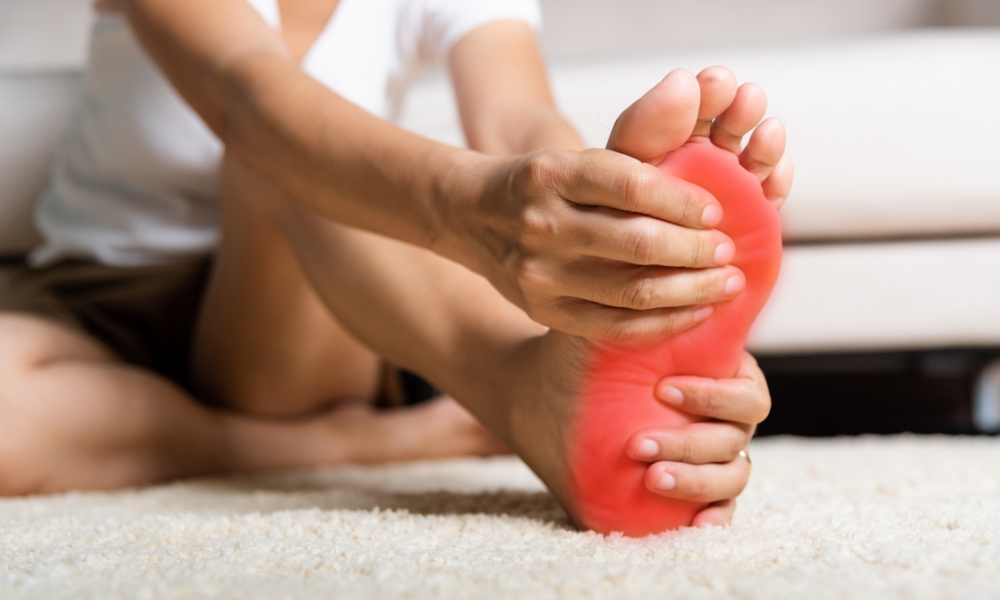
Arthritis Pain Relief in Houston
If you are looking for arthritis pain relief in Houston, getting the right guidance can help you move with greater comfort and confidence.
At Absolute Physical Therapy, patients receive personalized rehabilitation plans designed around their symptoms, goals, and lifestyle.
Whether arthritis is affecting your knees, hips, shoulders, spine, or other joints, physical therapy may help improve mobility and reduce limitations caused by joint pain.
The team focuses on helping patients through:
- Customized exercise programs
- Mobility improvement
- Strength training
- Movement correction
- Functional rehabilitation
Living with arthritis does not mean giving up the activities you enjoy. With the right approach, many people can improve their strength, maintain independence, and continue doing the things that matter most to them.
If joint pain is affecting your daily routine, professional evaluation can help you understand your options and create a plan focused on long-term improvement.
Frequently Asked Questions About Arthritis Pain Relief and Exercise
What are the best exercises for arthritis pain?
The best exercises for arthritis depend on the affected joint and your symptoms. Generally, strengthening exercises, flexibility exercises, mobility movements, and low-impact activities are commonly recommended for improving joint function.
Can physical therapy help osteoarthritis?
Yes. Physical therapy can help people with osteoarthritis improve strength, mobility, movement patterns, and daily function while reducing discomfort associated with joint pain.
Should I exercise if my arthritis hurts?
Gentle, appropriate exercise is often helpful for arthritis. However, exercises should be adjusted if they cause increasing pain, swelling, or worsening symptoms.
Can exercise make arthritis worse?
Exercise performed incorrectly or progressed too quickly may increase discomfort. However, properly designed exercise programs are generally considered an important part of arthritis management.
How often should I exercise with arthritis?
Consistency is usually more important than intensity. A healthcare professional or physical therapist can recommend a schedule based on your condition and goals.
What is the fastest way to relieve arthritis joint pain?
Relief depends on the cause and severity of symptoms. A combination of appropriate exercise, activity modification, pain management strategies, and professional guidance may help improve symptoms.
When should I see a doctor or physical therapist for arthritis pain?
You should seek professional guidance if joint pain limits your activities, continues to worsen, affects mobility, or prevents you from doing normal daily tasks.
Medical Disclaimer: This content is for educational purposes only and should not replace professional medical advice, diagnosis, or treatment. If you have persistent arthritis pain or concerns about your symptoms, consult a qualified healthcare provider.