
A stroke can change life in a matter of seconds. One moment, a person may be independent and active, and the next, they may face challenges with movement, speech, balance, memory, or everyday activities.
For many stroke survivors and their families, the recovery process can feel uncertain. Questions often arise: “Will I walk again after a stroke?” “How long does stroke rehabilitation take?” “What happens during stroke therapy?”
While every stroke recovery journey is different, rehabilitation plays a major role in helping survivors regain abilities, improve independence, and adapt to changes after a stroke.
Stroke rehabilitation focuses on helping the brain and body relearn skills that may have been affected. Through personalized therapy, patients can work toward improving movement, coordination, strength, communication, and daily function.
This guide explains what happens during stroke rehabilitation, the different types of therapy involved, what recovery may look like, and how neurological rehabilitation supports stroke survivors throughout the healing process.
Table of Contents
- What Happens During a Stroke?
- What Is Stroke Rehabilitation?
- Why Is Rehabilitation Important After a Stroke?
- Stroke Recovery Timeline: What to Expect
- Types of Stroke Rehabilitation Therapy
- Physical Therapy After Stroke
- Occupational Therapy During Stroke Recovery
- Speech and Cognitive Rehabilitation
- Common Challenges During Stroke Recovery
- Home Exercises and Stroke Recovery Support
- Stroke Rehabilitation in Houston
- Frequently Asked Questions
Important Note
Stroke recovery is a personal journey, and progress may happen differently for every person. Some improvements appear quickly, while others require patience and consistent rehabilitation. Understanding what happens during recovery can help survivors and families feel more prepared, motivated, and supported.
What Happens During a Stroke?
A stroke occurs when blood flow to part of the brain is interrupted or when bleeding occurs inside the brain. Because the brain controls movement, sensation, speech, thinking, and many other functions, a stroke can affect different abilities depending on the area involved.
The brain relies on a constant supply of oxygen and nutrients. When that supply is disrupted, brain cells in the affected area can become damaged.
There are two main types of stroke:
Ischemic Stroke
An ischemic stroke happens when a blood vessel supplying the brain becomes blocked, often because of a blood clot.
This is the most common type of stroke.
Hemorrhagic Stroke
A hemorrhagic stroke occurs when a blood vessel in the brain leaks or ruptures, causing bleeding.
The effects of a stroke depend on several factors, including:
- The location of the stroke in the brain
- The size of the affected area
- How quickly treatment begins
- The person’s overall health
Because different parts of the brain control different functions, stroke symptoms can vary widely.
Common Effects of Stroke
After a stroke, a person may experience challenges involving:
- Weakness on one side of the body
- Difficulty walking
- Balance problems
- Muscle stiffness
- Changes in coordination
- Speech difficulties
- Problems with memory or concentration
- Difficulty completing daily activities
These challenges can feel overwhelming, but rehabilitation provides a structured path toward improvement.
What Is Stroke Rehabilitation?
Stroke rehabilitation is a specialized recovery process designed to help people regain skills affected by a stroke.
The main goal of rehabilitation is to maximize independence and improve quality of life.
Rather than focusing only on the injured area, stroke rehab takes a whole-person approach by addressing movement, communication, thinking skills, and daily activities.
A stroke rehabilitation program may include:
- Physical therapy
- Occupational therapy
- Speech therapy
- Balance training
- Strength and mobility exercises
- Cognitive rehabilitation
The rehabilitation team creates a plan based on the individual’s abilities, challenges, and recovery goals.
How Does the Brain Recover After a Stroke?
One reason stroke rehabilitation can be effective is because of the brain’s ability to adapt.
This ability is known as neuroplasticity.
Neuroplasticity refers to the brain’s ability to create new connections and reorganize itself after injury.
Through repeated practice and targeted therapy, the brain can sometimes learn new ways to perform tasks that were affected by stroke.
For example, a person who struggles with walking after a stroke may practice specific movements repeatedly to help improve coordination and strength.
Recovery requires patience because the brain and body need time to build new patterns.
Why Is Rehabilitation Important After a Stroke?
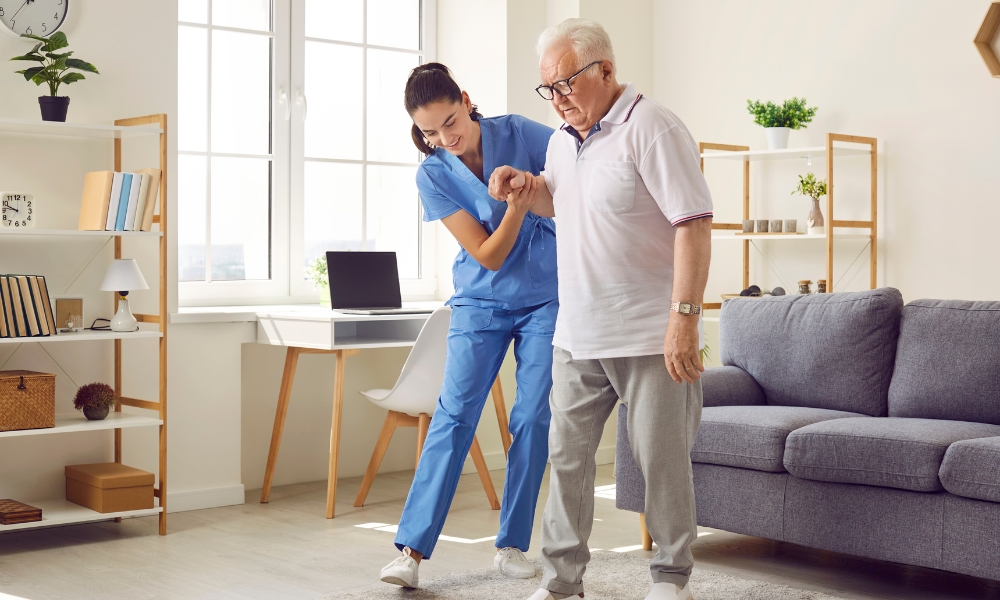
Stroke rehabilitation is important because many stroke-related challenges can improve with consistent therapy and support.
Without rehabilitation, some people may experience increased difficulty with movement, independence, and daily activities.
The earlier a person begins appropriate rehabilitation, the sooner they can start working toward recovery goals.
Improving Physical Function
Many stroke survivors experience weakness or difficulty controlling movement.
Physical therapy helps address:
- Muscle strength
- Balance
- Walking ability
- Coordination
- Body awareness
Therapists use specific exercises and techniques to help patients safely improve mobility.
Regaining Independence
A major goal of stroke rehabilitation is helping people return to everyday activities as independently as possible.
This may include improving the ability to:
- Get dressed
- Prepare meals
- Move safely around the home
- Complete personal care tasks
Even small improvements can make a meaningful difference in daily life.
Preventing Future Complications
Rehabilitation also helps reduce the risk of problems that may develop after stroke.
These may include:
- Falls
- Muscle weakness
- Reduced mobility
- Loss of confidence with movement
Stroke Recovery Timeline: What to Expect
One of the most common questions after a stroke is, “How long does stroke rehabilitation take?”
The answer depends on many factors, including the type of stroke, the severity of symptoms, overall health, age, and how consistently a person participates in rehabilitation.
Some people experience noticeable improvements within the first few weeks, while others continue making progress months or even years after a stroke.
Stroke recovery is not always a straight path. Progress may happen quickly at certain times and more gradually during others.
The Early Stage After Stroke
The first days and weeks after a stroke are focused on medical stabilization and beginning the recovery process.
During this stage, healthcare providers evaluate:
- Movement abilities
- Strength and coordination
- Speech and communication
- Balance
- Ability to perform daily activities
Early rehabilitation may begin as soon as it is considered safe.
Simple activities such as sitting upright, moving the affected limbs, or practicing basic movements can become important steps toward recovery.
Subacute Recovery Stage
The weeks and months following a stroke are often a major period of rehabilitation.
During this stage, patients typically participate in more structured therapy focused on rebuilding skills.
Therapy may involve:
- Walking practice
- Strength training
- Balance exercises
- Arm and hand movement training
- Daily activity practice
The focus is on improving function and helping patients become more independent.
Long-Term Stroke Recovery
Recovery does not stop after a few months.
Many stroke survivors continue benefiting from therapy, exercise, and ongoing practice long after the initial recovery period.
Long-term rehabilitation may focus on:
- Maintaining strength
- Improving endurance
- Managing ongoing challenges
- Adapting to changes
- Preventing future health problems
Every improvement matters, whether it involves walking farther, using an affected arm more effectively, or completing daily tasks with greater confidence.
Types of Stroke Rehabilitation Therapy
Stroke recovery often requires a combination of different therapies because a stroke can affect multiple areas of a person’s life.
A coordinated rehabilitation team may include physical therapists, occupational therapists, speech therapists, physicians, and other healthcare professionals.
The goal is to address the complete impact of the stroke rather than focusing on only one symptom.
Physical Therapy After Stroke
Physical therapy is one of the most important parts of many stroke rehabilitation programs.
Many stroke survivors experience movement-related challenges, including weakness, difficulty walking, balance problems, or changes in coordination.
Physical therapy after stroke focuses on improving movement, strength, and physical independence.
Improving Walking Ability
Difficulty walking is one of the most common concerns after a stroke.
A physical therapist may help patients improve walking by working on:
- Balance control
- Leg strength
- Weight shifting
- Coordination
- Walking patterns
Some patients may initially need assistance devices, such as walkers or canes, while they rebuild confidence and stability.
The goal is always to help each person move as safely and independently as possible.
Stroke Rehabilitation Exercises
Stroke rehabilitation exercises are designed based on each person’s abilities and limitations.
Exercises may focus on:
- Range of motion
- Muscle activation
- Balance improvement
- Coordination training
- Functional movements
For example, a therapist may help a patient practice standing from a chair, reaching for objects, or stepping safely.
These movements may seem simple, but repeated practice helps the brain and body rebuild connections.
Managing Muscle Stiffness After Stroke
Some stroke survivors develop increased muscle tightness, known as spasticity.
This can make movement more difficult and may affect walking, arm function, or daily activities.
Rehabilitation strategies may include:
- Stretching exercises
- Positioning techniques
- Strengthening appropriate muscles
- Movement training
A personalized approach helps address each patient’s specific challenges.
Occupational Therapy During Stroke Recovery
Occupational therapy focuses on helping stroke survivors regain independence with everyday activities.
While physical therapy often focuses on movement and mobility, occupational therapy helps patients perform meaningful daily tasks.
This may include activities such as:
- Dressing
- Eating
- Cooking
- Personal hygiene
- Returning to hobbies
Improving Hand and Arm Function
Many stroke survivors experience weakness or reduced control in one arm or hand.
Occupational therapists may use exercises and activities designed to improve:
- Grip strength
- Fine motor skills
- Coordination
- Arm movement
These skills are important for many everyday tasks, from holding objects to managing clothing and household activities.
Home Safety Training
After a stroke, changes in balance, strength, or coordination may increase the risk of falls.
Occupational therapists can help identify potential challenges in the home environment and recommend adjustments that improve safety.
This may include:
- Improving accessibility
- Organizing frequently used items
- Creating safer movement spaces
Important Note
Stroke recovery can feel frustrating when progress seems slower than expected. Some improvements happen gradually, and comparing one person’s recovery to another’s can create unnecessary stress. Rehabilitation works best when goals are personalized, realistic, and focused on meaningful improvements in daily life.
Speech and Cognitive Rehabilitation After Stroke
A stroke can affect communication, swallowing, memory, attention, and problem-solving abilities.
Speech-language therapy helps address these challenges and supports recovery beyond speaking alone.
Speech Difficulties After Stroke
Some stroke survivors experience difficulty producing words, understanding language, or communicating thoughts clearly.
This may happen because areas of the brain responsible for language have been affected.
Speech therapy may focus on:
- Improving communication skills
- Practicing speech patterns
- Strengthening language abilities
- Developing alternative communication strategies
Swallowing Problems After Stroke
Some people experience difficulty swallowing after a stroke.
This can affect eating and drinking safety.
A speech therapist may evaluate swallowing ability and provide strategies to improve safety during meals.
Cognitive Rehabilitation
Cognitive changes after stroke may affect:
- Memory
- Focus
- Planning
- Problem-solving
Cognitive rehabilitation helps patients develop strategies to manage these challenges and improve daily function.
Common Challenges During Stroke Recovery
Stroke recovery can involve physical, emotional, and mental challenges. While rehabilitation can lead to meaningful improvements, many stroke survivors experience moments of frustration, uncertainty, or fatigue along the way.
Understanding these challenges can help patients and families prepare for the recovery process and recognize that setbacks are often a normal part of healing.
Fatigue After Stroke
Stroke-related fatigue is one of the most common challenges during recovery.
Unlike normal tiredness after a busy day, post-stroke fatigue can feel overwhelming and may occur even after simple activities.
This can happen because the brain requires significant energy to relearn skills and create new movement patterns.
Managing fatigue may involve:
- Balancing activity with rest
- Breaking tasks into smaller steps
- Following a structured routine
- Avoiding overexertion
Learning how to manage energy is an important part of long-term recovery.
Balance Problems and Fall Risk
Balance difficulties are common after a stroke and may affect confidence when walking or moving independently.
Some people experience:
- Unsteadiness while standing
- Difficulty changing directions
- Fear of falling
- Reduced confidence during movement
Balance training during neurological rehabilitation helps patients improve stability and learn safer movement strategies.
Emotional Changes After Stroke
A stroke can be emotionally challenging for survivors and their families.
Changes in independence, communication, or physical abilities may lead to feelings of frustration or sadness.
Emotional support is an important part of recovery.
A strong support system, communication with healthcare providers, and realistic recovery goals can help patients adjust to life after stroke.
Difficulty Returning to Previous Activities
Many stroke survivors want to return to work, hobbies, sports, or their previous routines.
However, returning too quickly without proper preparation may create unnecessary challenges.
Rehabilitation helps patients gradually rebuild skills needed for meaningful activities.
Home Exercises and Stroke Recovery Support
Consistent practice outside of therapy sessions can play an important role in stroke recovery.
However, exercises should always match the person’s abilities and be performed safely.
A rehabilitation professional can recommend appropriate activities based on strength, balance, and functional goals.
Examples of Stroke Recovery Activities
Depending on the individual, recovery exercises may include:
- Practicing safe standing and sitting movements
- Repeating functional arm movements
- Walking practice
- Balance activities
- Stretching exercises
- Coordination activities
The key is consistency. Repetition helps reinforce the brain-body connection.
The Role of Family Support
Family members often play an important role during stroke recovery.
Support may include:
- Encouraging therapy participation
- Helping create a safe environment
- Providing emotional support
- Celebrating progress
At the same time, allowing stroke survivors to practice independence is important for rebuilding confidence.
Maintaining a Healthy Lifestyle After Stroke
Recovery does not only involve therapy. Lifestyle habits can also support long-term health.
Important areas include:
- Regular physical activity when appropriate
- Healthy nutrition
- Managing health conditions
- Following medical recommendations
- Maintaining social connections
These habits may support overall wellness and reduce the risk of future health complications.
Understanding Neurological Rehabilitation
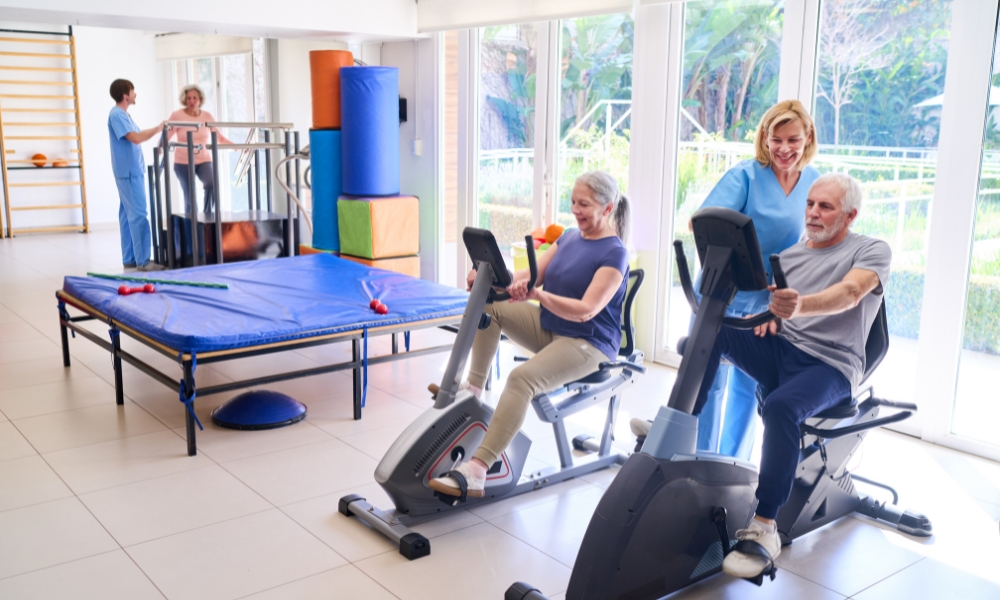
Neurological rehabilitation is a specialized form of therapy designed for conditions affecting the nervous system, including stroke.
The nervous system controls movement, balance, sensation, coordination, communication, and many other important functions.
When a stroke affects the brain, neurological rehabilitation helps patients retrain these functions through targeted therapy.
How Neurological Rehabilitation Works
Neurological rehabilitation uses repeated practice, guided movement, and specialized techniques to encourage recovery.
Therapists focus on:
- Improving movement patterns
- Enhancing balance and coordination
- Increasing independence
- Developing strategies for daily challenges
Unlike general exercise programs, neurological rehabilitation is specifically designed around changes caused by nervous system injuries.
Why Personalized Treatment Matters
No two strokes affect the body in exactly the same way.
One person may struggle mainly with walking, while another may have difficulty using an arm, communicating, or maintaining balance.
A personalized rehabilitation plan ensures therapy focuses on the areas that matter most for each patient.
Stroke Rehabilitation in Houston
If you or a loved one is looking for stroke rehabilitation in Houston, working with an experienced rehabilitation team can provide important support throughout recovery.
At Absolute Physical Therapy, patients receive personalized care focused on improving mobility, strength, function, and independence after neurological injuries.
The rehabilitation approach may include targeted therapy designed around each person’s recovery goals.
Stroke rehabilitation services may help address:
- Walking and balance difficulties
- Strength and mobility limitations
- Coordination challenges
- Functional movement problems
- Neurological recovery needs
Recovery after stroke requires patience, consistency, and the right support system. With appropriate rehabilitation, many stroke survivors continue making improvements and finding new ways to participate in the activities that matter most.
Frequently Asked Questions About Stroke Rehabilitation
How long does stroke rehabilitation take?
Stroke rehabilitation length varies for every person. Some individuals recover within weeks or months, while others continue rehabilitation for a longer period. Recovery depends on stroke severity, health factors, and participation in therapy.
Can physical therapy help after a stroke?
Yes. Physical therapy can help many stroke survivors improve strength, balance, mobility, and functional movement through personalized exercises and rehabilitation strategies.
What is the best exercise after a stroke?
The best exercise depends on the person’s abilities and recovery goals. Stroke rehabilitation exercises may include balance training, walking practice, strengthening exercises, and coordination activities recommended by a healthcare professional.
Can someone walk again after a stroke?
Many stroke survivors improve their walking ability through rehabilitation. Recovery depends on factors such as the location of the stroke, severity of weakness, and consistency with therapy.
What does neurological rehabilitation include?
Neurological rehabilitation may include physical therapy, occupational therapy, speech therapy, balance training, and cognitive strategies designed to improve function after nervous system injuries.
When should stroke rehabilitation begin?
Rehabilitation often begins as soon as it is medically safe. Early evaluation helps create an appropriate recovery plan based on the individual’s needs.
Can stroke recovery continue years later?
Yes. While recovery may slow over time, many people continue improving through ongoing practice, exercise, and rehabilitation support.
Medical Disclaimer: This article is for educational purposes only and does not replace professional medical advice, diagnosis, or treatment. Stroke recovery needs vary from person to person. Always consult a qualified healthcare provider for personalized guidance.