
Lower back pain is one of the most common reasons people struggle with everyday activities. A simple movement like getting out of bed, bending down to pick something up, sitting at a desk, driving through Houston traffic, or standing for long periods can become uncomfortable when your lower back is not functioning properly.
For some people, lower back pain appears suddenly after lifting something heavy or making an awkward movement. For others, it develops slowly over time due to posture problems, muscle weakness, repetitive stress, aging, injuries, or underlying conditions affecting the spine.
If you are asking, “Why does my lower back hurt?” you are not alone. Millions of people experience back discomfort every year, but the reason behind the pain can vary significantly from person to person. Understanding what may be causing your symptoms is the first step toward finding effective relief.
Table of Contents
- What Is Lower Back Pain?
- 10 Common Causes of Lower Back Pain
- 1. Muscle Strains and Sprains
- 2. Poor Posture and Daily Habits
- 3. Herniated or Bulging Discs
- 4. Sciatica and Nerve Irritation
- 5. Arthritis and Spinal Degeneration
- 6. Spinal Stenosis
- 7. Accidents and Physical Injuries
- 8. Weak Core and Muscle Imbalances
- 9. Lifestyle Factors
- 10. Other Medical Conditions
- When Should You Worry About Lower Back Pain?
- How Lower Back Pain Is Diagnosed
- Lower Back Pain Treatment Options
- How to Prevent Lower Back Pain
- Finding Lower Back Pain Treatment in Houston
- Frequently Asked Questions
Important Note
Lower back pain is not always a sign of serious damage, but ignoring persistent symptoms can allow small problems to become bigger challenges. This guide explains the most common reasons your lower back may hurt, what symptoms may mean, and how proper evaluation and treatment can help you move comfortably again.
What Is Lower Back Pain?
Lower back pain refers to discomfort, stiffness, soreness, or pain that occurs in the area between the bottom of your ribs and the top of your legs. This region contains the lumbar spine, muscles, ligaments, tendons, nerves, joints, and discs that work together to support your body and allow movement.
The lower back carries a significant amount of stress every day. Walking, sitting, standing, lifting, twisting, and bending all require coordination between your spine and surrounding muscles.
Because the lower back is involved in almost every movement, even a minor irritation can affect your daily routine.
Some people experience mild soreness after physical activity, while others deal with persistent pain that affects sleep, work, exercise, and quality of life.
Lower back pain may feel different depending on the cause. Common descriptions include:
- Dull aching pain
- Sharp or stabbing sensations
- Tightness or stiffness
- Burning discomfort
- Pain that spreads into the hips or legs
- Numbness or tingling caused by nerve irritation
Understanding the type of pain you are experiencing can help healthcare professionals identify the most appropriate treatment approach.
10 Common Causes of Lower Back Pain
Lower back pain does not have one single cause. It can develop from everyday activities, injuries, age-related changes, movement problems, or conditions affecting the spine and nervous system.
Below are some of the most common reasons people experience lower back discomfort.
1. Muscle Strains and Sprains
One of the most common causes of lower back pain is a muscle strain or ligament sprain.
Your lower back contains many muscles that support your spine and control movement. When these muscles are overstretched, irritated, or injured, inflammation can develop and create discomfort.
Muscle strains commonly happen after:
- Lifting heavy objects incorrectly
- Sudden twisting movements
- Overdoing physical activity
- Sports-related movements
- Repetitive bending or lifting at work
Many people notice this type of pain after an activity they do not consider particularly intense. For example, lifting a box, moving furniture, gardening, or even picking something up from the floor can trigger symptoms if the muscles are already fatigued.
Muscle-related back pain often improves with appropriate rest, movement modification, stretching, and strengthening exercises. However, recurring strains may indicate underlying issues such as poor movement patterns or muscle weakness.
2. Poor Posture and Daily Habits
Modern lifestyles often place significant stress on the lower back. Many people spend hours sitting at computers, working remotely, commuting, or looking down at electronic devices.
Poor posture does not usually cause immediate severe pain. Instead, it creates repeated stress on muscles and joints over time.
Common posture-related contributors include:
- Sitting for extended periods without breaks
- Slouching while working
- Incorrect desk setup
- Standing with poor body alignment
- Improper lifting techniques
When posture is not balanced, certain muscles may become overworked while others become weaker. This imbalance can gradually affect how your spine moves and distributes pressure.
Many people are surprised to discover that their lower back pain is connected to everyday habits rather than a single injury.
Improving posture, strengthening supporting muscles, and learning proper movement mechanics are important parts of long-term lower back pain treatment.
3. Herniated or Bulging Discs
The discs between your spinal bones act as cushions that absorb pressure and allow flexibility. Over time, these discs can become damaged, allowing the inner material to push outward.
This is known as a herniated disc or bulging disc.
When a disc presses against nearby nerves, it can cause more than just back pain. Some people experience:
- Pain traveling into the buttocks or legs
- Tingling sensations
- Numbness
- Muscle weakness
Disc problems can occur due to aging, repetitive stress, injuries, or improper lifting mechanics.
Not every disc problem requires surgery. Many individuals improve through conservative approaches such as physical therapy, targeted exercises, posture correction, and activity modification.
A proper evaluation helps determine whether symptoms are related to a disc issue or another source of discomfort.
Continued in the next response.
4. Sciatica and Nerve Irritation
When lower back pain travels into the buttocks, hips, or down the leg, nerve irritation may be involved. One of the most common examples is sciatica, which occurs when the sciatic nerve becomes compressed, irritated, or inflamed.
The sciatic nerve is the largest nerve in the body. It begins in the lower spine and travels through the buttocks and down each leg. Because of its size and pathway, irritation in this area can create symptoms far away from where the original problem started.
People with sciatica often describe their symptoms as:
- A sharp or shooting pain from the lower back into the leg
- Burning sensations
- Tingling or pins-and-needles feelings
- Numbness in the leg or foot
- Weakness during certain movements
Sciatica may develop from a herniated disc, spinal narrowing, muscle irritation, or other conditions affecting the nerves in the lower back.
Many people assume that nerve-related back pain automatically means surgery is necessary. However, many cases respond well to non-surgical approaches, including physical therapy, targeted strengthening, mobility exercises, and pain management strategies.
Individuals experiencing symptoms that extend from the lower back into the leg may benefit from a professional evaluation through sciatica treatment in Houston to identify the source of nerve irritation and create an appropriate recovery plan.
5. Arthritis and Spinal Degeneration
Arthritis is another common reason people experience lower back pain, especially as they get older.
The spine contains many small joints that allow movement and flexibility. Over time, normal wear and tear can affect these joints, leading to inflammation, stiffness, and discomfort.
Spinal arthritis may cause:
- Morning stiffness
- Reduced flexibility
- Pain after prolonged activity
- Discomfort when standing or walking
- Difficulty performing certain movements
While age-related changes are common, pain levels do not always match what appears on imaging tests. Some people have noticeable spinal changes but minimal discomfort, while others experience significant symptoms from smaller changes.
This is why a complete evaluation should consider your symptoms, movement patterns, physical abilities, and daily challenges rather than relying only on scans.
Conservative treatment options such as strengthening exercises, mobility training, and physical therapy can help many people manage arthritis-related discomfort and maintain independence.
6. Spinal Stenosis
Spinal stenosis occurs when the spaces within the spine become narrower, potentially placing pressure on nearby nerves.
This condition is more common as people age because changes such as arthritis, disc degeneration, and bone growth can gradually reduce available space around the nerves.
Symptoms may include:
- Lower back discomfort
- Leg pain while walking or standing
- Numbness or tingling
- A feeling of heaviness in the legs
- Improvement when sitting or leaning forward
Many people with spinal stenosis find that symptoms are related to specific positions or activities. For example, standing for long periods may increase discomfort, while sitting may provide relief.
Treatment depends on symptom severity and individual goals. Physical therapy can often help improve strength, flexibility, posture, and movement strategies that reduce stress on affected areas.
7. Accidents and Physical Injuries
Trauma is another common cause of lower back pain. Car accidents, workplace injuries, falls, and sports-related incidents can affect muscles, joints, ligaments, discs, and nerves.
Some injuries create immediate pain, while others become noticeable hours or days later as inflammation increases.
Common accident-related back symptoms include:
- Muscle stiffness
- Limited range of motion
- Persistent soreness
- Neck and back discomfort together
- Pain with movement
After an injury, some people avoid movement because they are afraid of making the pain worse. However, prolonged inactivity can sometimes slow recovery by causing stiffness and weakness.
A structured rehabilitation plan can help restore normal movement while gradually rebuilding strength and confidence.
Patients recovering after workplace accidents or vehicle collisions may benefit from specialized work and accident injury recovery programs focused on restoring function safely.
8. Weak Core and Muscle Imbalances
Your core muscles do much more than create visible abdominal strength. They provide essential support for your spine during everyday activities.
When core muscles are weak, other structures may have to work harder to maintain stability. Over time, this increased demand can contribute to discomfort and movement problems.
Muscle imbalances may develop from:
- A sedentary lifestyle
- Lack of regular exercise
- Previous injuries
- Poor movement patterns
- Long periods of sitting
For example, someone who spends most of the day sitting may develop tight hip muscles, weaker glute muscles, and reduced lower back mobility. These changes can affect how the body moves during walking, lifting, and exercise.
Physical therapy focuses on identifying these movement issues and creating a personalized strengthening program to improve support around the spine.
9. Lifestyle Factors That Contribute to Lower Back Pain
Sometimes lower back pain develops from a combination of daily habits rather than one specific problem.
Several lifestyle factors may increase the likelihood of experiencing back discomfort, including:
- Lack of physical activity
- Prolonged sitting
- Poor sleep habits
- Inadequate movement variety
- Excess stress
- Weight-related strain
The human body is designed to move. When movement decreases for long periods, muscles and joints may become less adaptable.
Stress can also influence pain perception. Chronic stress may increase muscle tension and make existing discomfort feel more intense.
Improving overall wellness through regular movement, proper nutrition, strength training, and healthy daily routines can support long-term back health.
Important Note
Not every case of lower back pain means there is serious damage. Many people improve with conservative care and lifestyle adjustments. However, ongoing or worsening pain should not be ignored. A proper evaluation can help determine whether symptoms are related to muscles, joints, nerves, posture, injuries, or another underlying cause.
10. Other Medical Conditions That Can Cause Lower Back Pain
Although most lower back pain comes from musculoskeletal causes, certain medical conditions can also create discomfort in this area.
Examples may include kidney-related issues, infections, inflammatory conditions, or other health concerns affecting structures near the lower back.
These causes are less common but important to recognize because they may require different types of medical care.
Signs that your back pain may involve something beyond typical muscle or spine-related issues include:
- Fever or unexplained illness
- Unexplained weight changes
- Severe pain that does not improve with rest
- Pain unrelated to movement
- New symptoms after significant trauma
If your symptoms feel unusual or different from typical back pain, seeking professional guidance is the safest approach.
When Should You Worry About Lower Back Pain?
Most lower back pain improves with time and appropriate treatment. However, certain symptoms require closer attention.
You should consider seeking medical evaluation if you experience:
- Back pain that continues for several weeks without improvement
- Increasing weakness in the legs
- Loss of bladder or bowel control
- Severe numbness
- Pain following a major accident
- Difficulty walking normally
It is also important to seek help when pain begins affecting your quality of life. If you cannot sleep comfortably, complete work responsibilities, exercise, or participate in activities you enjoy, professional treatment may help you regain function.
Continued in the next response.
How Lower Back Pain Is Diagnosed
Finding the right treatment for lower back pain starts with understanding what is causing it. Because many different conditions can create similar symptoms, a proper evaluation is important before choosing a treatment approach.
A healthcare professional will usually begin by discussing your symptoms in detail. Questions may include:
- When did your lower back pain begin?
- Did it start suddenly or gradually?
- Where exactly do you feel the pain?
- Does the pain travel into your hips, buttocks, or legs?
- What activities make it better or worse?
- Have you experienced previous injuries?
A physical examination may include evaluating your posture, walking pattern, flexibility, muscle strength, balance, and range of motion.
Your provider may also assess how your spine and surrounding muscles respond to specific movements. These evaluations help identify whether symptoms are related to muscles, joints, discs, nerves, or movement patterns.
In some cases, imaging such as X-rays or MRI scans may be recommended. However, imaging is not always necessary for every person with back pain. Many findings seen on scans are common and do not always explain the actual source of symptoms.
The most effective diagnosis combines your medical history, physical findings, symptoms, and functional limitations.
Lower Back Pain Treatment Options
The best treatment for lower back pain depends on the cause, severity, and how the condition affects your daily life. A personalized approach is usually more effective than a one-size-fits-all solution.
For many people, conservative treatments can provide significant improvement without the need for invasive procedures.
Physical Therapy for Lower Back Pain
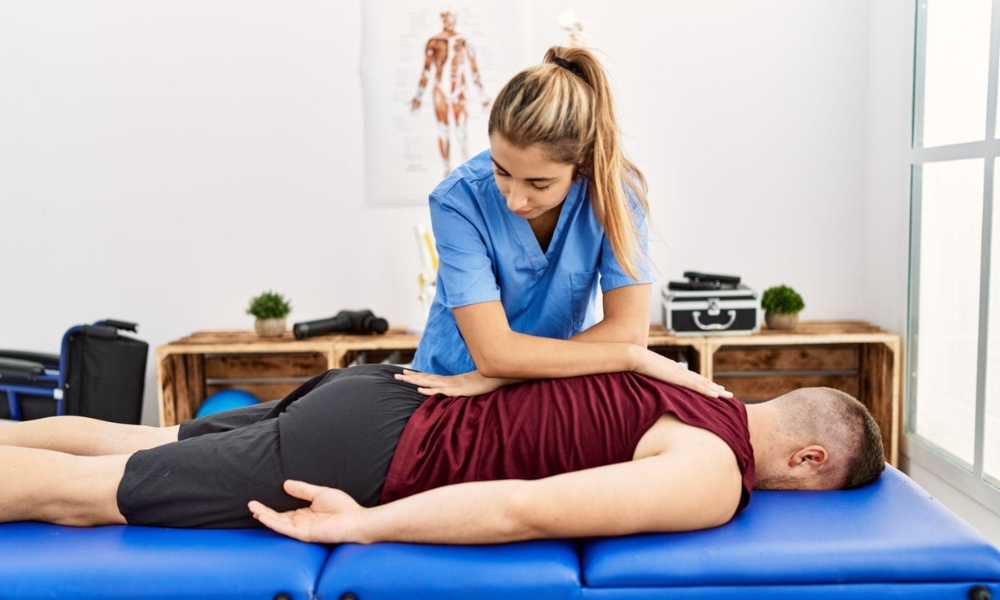
Physical therapy is one of the most widely recommended approaches for managing lower back pain because it focuses on improving the way your body moves and functions.
Instead of only treating the painful area, physical therapists evaluate the entire movement system. They look at muscle strength, flexibility, posture, balance, and mechanics that may be contributing to discomfort.
A personalized physical therapy program may include:
- Strengthening exercises for the core and supporting muscles
- Stretching techniques to improve flexibility
- Mobility exercises to restore movement
- Posture correction strategies
- Body mechanics education
- Manual therapy techniques
The goal is not just temporary pain reduction. The goal is helping your body become stronger, more stable, and better prepared for everyday activities.
Many patients searching for back pain treatment discover that physical therapy provides a long-term solution by addressing the reasons their pain developed in the first place.
At Absolute Physical Therapy, treatment plans are designed around each patient’s specific condition, lifestyle, and recovery goals.
Exercise-Based Rehabilitation
Movement is one of the most important parts of long-term back health.
Although certain movements may need to be modified during painful periods, avoiding activity completely can often lead to weakness and stiffness.
A structured exercise program helps rebuild strength and improve confidence in movement.
Common rehabilitation exercises may focus on:
- Core stability
- Hip mobility
- Lower back flexibility
- Posture control
- Functional movements
The correct exercises depend on your specific condition. Exercises that help one person may aggravate symptoms in another, which is why professional guidance can be valuable.
Pain Management Approaches
Managing pain effectively can help people stay active while recovering.
Depending on the cause of symptoms, treatment may include strategies designed to reduce discomfort, improve mobility, and support participation in rehabilitation.
Comprehensive pain management focuses on understanding the source of discomfort rather than simply covering up symptoms.
Patients dealing with persistent or complex symptoms may benefit from specialized chronic pain management services that address both physical limitations and quality-of-life concerns.
Advanced Treatment Options
Some patients may benefit from additional therapeutic techniques used alongside traditional rehabilitation.
Advanced modalities may be incorporated when appropriate to support recovery, improve comfort, and complement exercise-based treatment.
For example, certain individuals may benefit from services such as advanced modalities and laser therapy as part of a broader rehabilitation plan.

How to Prevent Lower Back Pain
Preventing lower back pain does not mean avoiding all physical activity. In fact, staying active is one of the best ways to support spinal health.
The following habits can help reduce your risk of future problems:
Maintain Regular Movement
Your spine and muscles respond positively to consistent movement. Walking, strength training, stretching, and mobility exercises can help maintain flexibility and stability.
Practice Good Lifting Techniques
Many back injuries occur because of poor lifting mechanics.
When lifting objects:
- Keep the object close to your body
- Avoid twisting while lifting
- Bend through your legs rather than only your back
- Ask for help with heavy objects
Improve Your Workspace Setup
If you spend hours sitting, your environment matters.
A supportive chair, proper screen height, and regular movement breaks can reduce unnecessary stress on your lower back.
Strengthen Supporting Muscles
A strong core, hips, and legs help support your spine during daily activities.
You do not need extreme workouts to improve back health. Consistent, appropriate strengthening is often more beneficial than occasional intense exercise.
Finding Lower Back Pain Treatment in Houston
Living with lower back pain can affect much more than your physical comfort. It can influence your work, sleep, relationships, exercise routine, and overall confidence.
Many people delay seeking treatment because they hope the pain will disappear on its own. While some minor episodes improve naturally, ongoing discomfort often benefits from professional evaluation.
For people searching for lower back pain treatment Houston, the right care approach focuses on identifying the source of symptoms and creating a realistic plan for recovery.
At Absolute Physical Therapy, patients receive personalized rehabilitation designed to improve mobility, reduce discomfort, and help them return to activities they value.
Whether your pain comes from an injury, posture issues, nerve irritation, muscle weakness, or chronic conditions, a comprehensive evaluation can help determine the best next step.
Final Thoughts
Lower back pain is common, but that does not mean you have to accept living with constant discomfort.
From muscle strains and posture problems to nerve irritation, arthritis, and injuries, there are many possible reasons your lower back may hurt. Understanding the cause is the first step toward finding effective relief.
The right treatment approach focuses on more than reducing pain for a short time. It helps restore movement, improve strength, prevent future problems, and allow you to return to the activities that matter most.
If lower back pain is interfering with your daily routine, professional evaluation and personalized physical therapy may help you move forward with confidence.
Frequently Asked Questions
Why does my lower back hurt all of a sudden?
Sudden lower back pain may happen because of muscle strain, lifting injuries, awkward movements, exercise-related stress, or irritation of spinal structures. A proper evaluation can help identify the cause.
What is the most common cause of lower back pain?
Muscle strains, poor movement patterns, and posture-related stress are among the most common causes of lower back pain.
Can physical therapy help lower back pain?
Yes. Physical therapy can help improve strength, flexibility, posture, and movement patterns that contribute to back pain. Many people experience significant improvement through personalized rehabilitation programs.
How long does lower back pain usually last?
Recovery time varies depending on the cause. Some cases improve within days or weeks, while chronic conditions may require longer-term management.
Should I exercise when my lower back hurts?
In many cases, gentle movement is beneficial. However, the right exercises depend on the cause of your pain. Avoiding painful movements and following professional guidance is often the safest approach.
When should I see a doctor for lower back pain?
You should seek professional care if pain persists, worsens, affects daily activities, causes weakness or numbness, or occurs after a significant injury.
Can lower back pain be prevented?
While not all back pain can be prevented, regular exercise, good posture, proper lifting techniques, and maintaining strength can significantly reduce risk.
Is surgery required for lower back pain?
Many people improve without surgery through physical therapy, rehabilitation, lifestyle changes, and other conservative treatments. Surgery is typically considered only in specific situations.
Medical Disclaimer: This article is for educational purposes only and does not replace professional medical advice. Always consult a qualified healthcare provider for diagnosis and treatment recommendations based on your individual condition.