
Heel pain can make even simple activities feel frustrating. Taking your first steps out of bed, standing for long periods, walking around the house, or exercising may suddenly become uncomfortable when every step creates sharp or aching pain underneath your foot.
One of the most common causes of heel pain is plantar fasciitis, a condition that affects the thick band of tissue running along the bottom of your foot. This tissue, called the plantar fascia, helps support your arch and absorb stress when you walk or run.
Many people describe plantar fasciitis pain by saying, “My heel hurts the most when I take my first steps in the morning.” Others notice discomfort after standing for hours or after increasing their activity level.
The good news is that plantar fasciitis can often improve with the right combination of treatment, stretching, strengthening, movement correction, and lifestyle adjustments. Understanding what is causing your heel pain is the first step toward finding long-term relief.
Table of Contents
- What Is Plantar Fasciitis?
- What Causes Plantar Fasciitis and Heel Pain?
- Common Symptoms of Plantar Fasciitis
- Why Does My Heel Hurt When I Take My First Steps?
- Who Is More Likely to Develop Plantar Fasciitis?
- How Is Plantar Fasciitis Diagnosed?
- Best Treatment Options for Plantar Fasciitis
- How Physical Therapy Helps Heel Pain
- Plantar Fasciitis Exercises and Stretching
- How to Prevent Heel Pain From Returning
- Plantar Fasciitis Treatment in Houston
- Frequently Asked Questions
Important Note
Heel pain is common, but it should not become something you simply tolerate. Understanding whether your pain is caused by plantar fasciitis, an injury, or another condition can help you choose the right treatment and avoid making the problem worse through incorrect self-care.
What Is Plantar Fasciitis?
Plantar fasciitis is one of the most common causes of heel pain, affecting the plantar fascia, a strong connective tissue located along the bottom of the foot.
The plantar fascia connects your heel bone to the front of your foot and helps maintain the natural shape of your arch. Every time you stand, walk, or run, this tissue helps absorb pressure and support your body weight.
When excessive stress is placed on the plantar fascia, small areas of irritation can develop. Over time, repeated strain may lead to ongoing heel pain and inflammation-like symptoms.
Although the condition is often associated with inflammation, many cases involve changes in the tissue caused by repeated stress and overuse.
Why Does Plantar Fasciitis Cause Heel Pain?
Your heel absorbs a significant amount of force every day. Walking, standing, exercising, and even simple movements around your home place pressure on the plantar fascia.
When the tissue cannot handle the amount of stress placed on it, pain may develop near the bottom or inside edge of the heel.
This discomfort can become especially noticeable during:
- The first steps after waking up
- Walking after sitting for a long time
- Standing for extended periods
- Physical activities involving running or jumping
What Causes Plantar Fasciitis and Heel Pain?
Plantar fasciitis usually develops because of repeated stress on the foot rather than one single event.
Several factors can increase strain on the plantar fascia and contribute to heel pain.
Overuse and Increased Activity
One common cause of plantar fasciitis is suddenly increasing physical activity.
For example, someone may develop heel pain after:
- Starting a new exercise routine
- Increasing running distance
- Spending more time standing
- Beginning a physically demanding job
Your feet need time to adapt to increased stress. Rapid changes can overload tissues that are not prepared for the additional demand.
Foot Structure and Arch Problems
The structure of your feet can influence how pressure is distributed when you move.
People with certain foot characteristics may experience additional stress on the plantar fascia, including:
- Flat feet
- High arches
- Changes in walking mechanics
- Poor foot alignment
These factors do not guarantee that someone will develop plantar fasciitis, but they may increase the likelihood of irritation.
Unsupportive Footwear
Shoes play an important role in supporting your feet.
Footwear that lacks proper support may increase stress on the heel and arch.
Common problems include:
- Worn-out shoes
- Shoes with poor arch support
- Unsupportive footwear during long periods of standing
Choosing appropriate footwear can be an important part of heel pain management.
Tight Calf Muscles
The muscles and tissues in your lower leg are closely connected with foot movement.
Tight calf muscles can limit ankle movement and place additional stress on the plantar fascia.
This is why many plantar fasciitis treatment programs include calf stretching and mobility exercises.
Common Symptoms of Plantar Fasciitis
The symptoms of plantar fasciitis can vary, but certain patterns are common.
Sharp Heel Pain
The most common symptom is sharp pain near the bottom of the heel.
Many people describe it as a stabbing sensation that is strongest during the first few steps after rest.
Morning Heel Pain
One of the classic signs of plantar fasciitis is pain when getting out of bed in the morning.
During sleep, the plantar fascia becomes less stretched. When you suddenly place weight on your foot after waking up, the tissue may become irritated.
Many people notice that the pain improves after walking for a few minutes but may return later after prolonged standing or activity.
Pain After Sitting
Heel pain may also occur after sitting for a long period and then standing up.
This happens because the plantar fascia tightens during rest and becomes stressed when movement begins again.
Foot Stiffness
Some people experience stiffness along the bottom of the foot, especially after periods of inactivity.
This stiffness may affect walking comfort and daily movement.
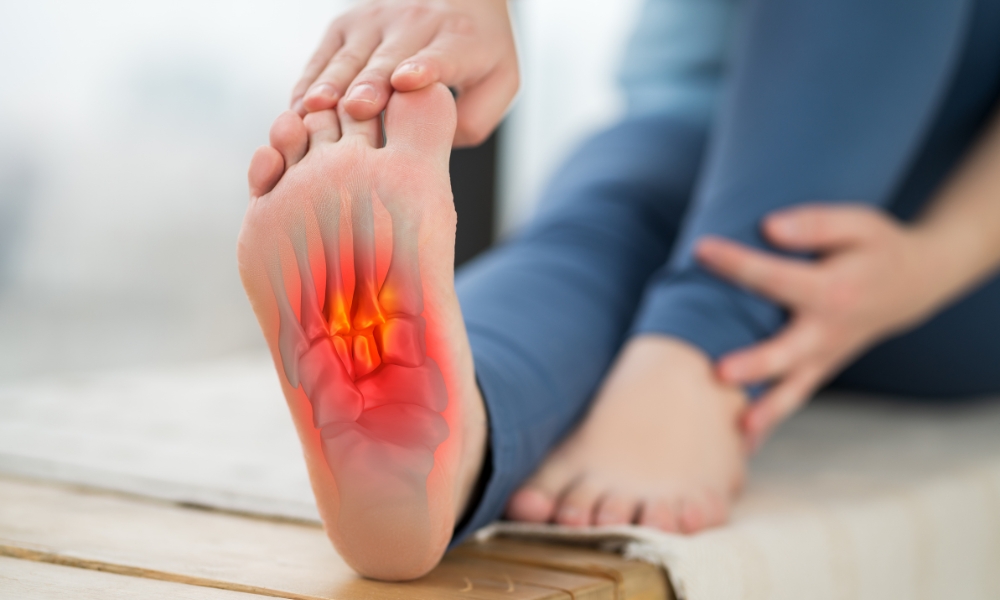
Why Does My Heel Hurt When I Take My First Steps?
One of the most common questions people ask is, “Why does my heel hurt when I get out of bed?”
This happens because the plantar fascia changes when your foot is at rest.
While sleeping, your foot stays in a relaxed position for several hours. When you suddenly stand and put pressure through your heel, the plantar fascia stretches quickly.
If the tissue is irritated or sensitive, this sudden stretching can create pain.
This pattern is so common that morning heel pain is often considered one of the key signs healthcare professionals look for when evaluating plantar fasciitis.
However, not all heel pain is plantar fasciitis. Other conditions, including tendon problems, nerve irritation, stress injuries, or joint issues, can also cause discomfort.
That is why proper evaluation is important if your symptoms continue.
Who Is More Likely to Develop Plantar Fasciitis?
Plantar fasciitis can affect anyone, but certain factors can increase stress on the plantar fascia and make heel pain more likely.
Understanding these risk factors can help you recognize why your symptoms developed and what changes may support recovery.
People Who Spend Long Hours Standing
Jobs that require extended periods of standing or walking can place repeated pressure on the heel and bottom of the foot.
Healthcare workers, teachers, retail employees, warehouse workers, and others who remain on their feet for many hours may experience increased strain on the plantar fascia.
The problem is not simply standing itself. It is the repeated loading of the foot without enough recovery time.
Athletes and Active Individuals
Runners and people who participate in high-impact activities may develop plantar fasciitis because of repetitive stress.
Activities involving frequent jumping, running, or sudden changes in direction can increase the workload placed on the feet.
Athletes may also experience heel pain when training intensity increases too quickly.
Age-Related Changes
Plantar fasciitis is more common in middle-aged adults, although it can occur at any age.
As the body changes over time, tissues may become less flexible, and recovery from repeated stress may take longer.
This does not mean heel pain is an unavoidable part of aging. Proper movement, strengthening, and rehabilitation can help maintain foot health.
Weight and Increased Foot Pressure
Additional body weight can increase the amount of pressure placed on the feet during standing and walking.
This extra demand may contribute to increased strain on the plantar fascia, especially when combined with other risk factors such as poor footwear or limited flexibility.
How Is Plantar Fasciitis Diagnosed?
Plantar fasciitis is usually diagnosed through a physical examination and discussion of your symptoms.
A healthcare provider or physical therapist will typically evaluate:
- The location of your heel pain
- When your pain occurs
- Your walking pattern
- Foot and ankle mobility
- Muscle flexibility
- Strength and movement patterns
Your provider may ask questions such as:
- “Is your pain worse in the morning?”
- “Does walking make it better or worse?”
- “Did your symptoms start after changing your activity level?”
- “What activities increase your discomfort?”
These details help determine whether plantar fasciitis is the likely cause or whether another condition should be considered.
Do You Need Imaging for Plantar Fasciitis?
Many cases of plantar fasciitis do not require imaging tests.
However, imaging may sometimes be recommended if symptoms are unusual, severe, or not improving with treatment.
Healthcare professionals may use imaging to rule out other causes of heel pain, such as:
- Stress fractures
- Heel bone problems
- Other soft tissue conditions
A proper diagnosis helps ensure you receive the right treatment instead of simply treating symptoms without addressing the underlying cause.
Best Treatment Options for Plantar Fasciitis
The best treatment for plantar fasciitis depends on how long you have had symptoms, the severity of your pain, and how your condition affects your daily activities.
Most people improve with conservative treatments focused on reducing stress on the plantar fascia and improving foot function.
Rest and Activity Modification
Rest does not necessarily mean avoiding all movement.
Instead, activity modification means temporarily adjusting activities that increase pain while allowing your body time to recover.
For example, someone who runs regularly may need to reduce running intensity while focusing on lower-impact activities.
Stretching Exercises
Stretching is one of the most commonly recommended approaches for plantar fasciitis.
Stretching the calf muscles and plantar fascia can improve flexibility and reduce tension through the foot.
Common stretches may include:
- Calf stretches against a wall
- Plantar fascia stretches
- Foot rolling exercises
- Ankle mobility movements
Consistency is important. Stretching occasionally may provide temporary relief, but regular practice is usually more beneficial.
Supportive Footwear
Wearing shoes that properly support your feet can reduce unnecessary stress on the heel.
Helpful footwear features may include:
- Good arch support
- Proper cushioning
- A comfortable fit
- A stable sole
Walking barefoot on hard surfaces may increase discomfort for some people with plantar fasciitis.
Ice and Symptom Management
Some people find that applying cold therapy after activity helps reduce discomfort.
Rolling the bottom of the foot over a cold object may provide temporary soothing relief while also gently massaging the area.
However, symptom relief alone does not address the movement patterns or strength issues that may contribute to ongoing heel pain.
Important Note
Heel pain is often manageable, but trying to push through worsening pain can prolong recovery. Some cases improve with simple changes, while others require professional guidance to identify movement problems, weakness, or contributing conditions. Avoid self-diagnosing persistent pain without proper evaluation.
How Physical Therapy Helps Heel Pain and Plantar Fasciitis
Physical therapy is one of the most effective non-surgical approaches for many people dealing with plantar fasciitis.
Instead of focusing only on where the pain is located, physical therapists evaluate how your entire movement system affects your foot.
Your therapist may examine:
- Foot mechanics
- Ankle mobility
- Calf flexibility
- Leg strength
- Balance
- Walking patterns
This whole-body approach helps identify factors that may be keeping the plantar fascia irritated.
Manual Therapy Techniques
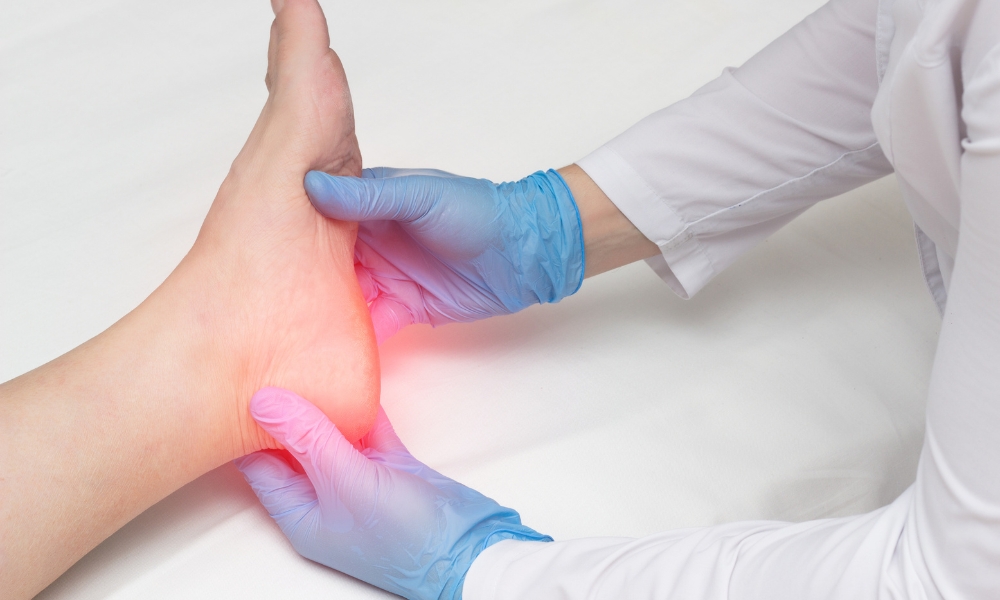
Physical therapists may use hands-on techniques to improve mobility and reduce stiffness in surrounding tissues.
Manual therapy may focus on areas such as:
- The foot
- The ankle
- The calf muscles
- Related soft tissues
Improving mobility can help the foot move more efficiently during daily activities.
Strengthening Weak Muscles
Weakness in the muscles supporting your foot and ankle can affect how pressure is distributed when you walk.
A physical therapy program may include exercises that strengthen:
- Foot stabilizing muscles
- Calf muscles
- Ankle muscles
- Lower leg muscles
Better strength can improve support and reduce repeated stress on the plantar fascia.
 ]
]
Plantar Fasciitis Exercises That May Help Reduce Heel Pain
Exercise plays an important role in plantar fasciitis recovery because the goal is not only to reduce pain but also to improve how your foot handles daily stress.
Many people focus only on resting their feet when heel pain begins. While reducing irritating activities can help, too much rest without strengthening may leave the foot less prepared for normal activity.
A balanced approach usually includes improving flexibility, restoring mobility, and gradually rebuilding strength.
Calf Stretch
Tight calf muscles can increase tension through the Achilles tendon and plantar fascia. Gentle calf stretching may help improve ankle movement and reduce stress on the heel.
A common calf stretch involves standing facing a wall, placing one foot behind you, keeping the back heel down, and gently leaning forward until you feel a stretch in the calf.
The stretch should feel comfortable and controlled. Stretching should not create sharp pain in the heel.
Plantar Fascia Stretch
This stretch specifically targets the tissue along the bottom of the foot.
Many people perform this stretch before taking their first steps in the morning because morning pain is a common plantar fasciitis symptom.
Gentle stretching before placing full weight on the foot may help prepare the tissue for movement.
Foot Rolling Exercise
Rolling the bottom of the foot over a ball or similar object may help loosen tight areas and provide temporary comfort.
This technique can be especially helpful after activity or periods of standing.
However, excessive pressure should be avoided because aggressive rolling can irritate sensitive tissues.
Toe and Foot Strengthening Exercises
The small muscles in your feet help support your arch and control movement.
Exercises that strengthen these muscles may include:
- Toe curls
- Towel scrunches
- Arch activation exercises
- Balance exercises
A physical therapist can help determine which exercises are appropriate based on your symptoms and movement limitations.
Does Plantar Fasciitis Require Surgery?
Most people with plantar fasciitis do not need surgery.
Conservative treatments such as physical therapy, stretching, strengthening exercises, footwear changes, and activity adjustments help many individuals improve.
Surgery is generally considered only in cases where symptoms continue despite extended conservative treatment and significantly affect daily life.
Before considering surgical options, healthcare providers typically explore other treatment approaches and evaluate whether underlying movement issues are contributing to the problem.
Why Does My Plantar Fasciitis Keep Coming Back?
Some people experience recurring heel pain even after their symptoms improve.
This often happens because the original factors contributing to the condition have not been fully addressed.
Recurring plantar fasciitis may be linked to:
- Returning to high-impact activities too quickly
- Weak foot or ankle muscles
- Limited flexibility
- Unsupportive footwear
- Changes in activity levels
- Untreated movement problems
Long-term improvement often requires more than simply waiting for pain to disappear. Building stronger movement habits can help protect your feet in the future.
How to Prevent Heel Pain From Returning
Once plantar fasciitis improves, prevention becomes an important part of maintaining healthy feet.
Increase Activity Gradually
One of the biggest mistakes people make is returning to intense activity too quickly after their pain improves.
Your tissues need time to adapt to increased demand.
If you are starting a new workout routine, increase intensity gradually rather than making sudden changes.
Wear Supportive Shoes
Your footwear affects how force moves through your feet and legs.
Replacing worn-out shoes and choosing supportive footwear can help reduce unnecessary stress.
This is especially important for people who spend many hours standing or walking.
Maintain Foot and Ankle Strength
Strong muscles provide better support for your feet.
Continuing simple strengthening exercises even after pain improves may help maintain healthy movement patterns.
Pay Attention to Early Warning Signs
Many people ignore mild heel discomfort until it becomes severe.
Early signs such as morning stiffness, mild heel soreness, or discomfort after activity may be your body’s way of telling you that adjustments are needed.
Other Conditions That Can Cause Heel Pain
Although plantar fasciitis is a common cause of heel pain, it is not the only possible explanation.
Other conditions that may cause similar symptoms include:
Achilles Tendon Problems
The Achilles tendon connects the calf muscles to the heel bone. Irritation in this tendon can create pain around the back of the heel.
Symptoms may feel different from plantar fasciitis because the location of discomfort is usually higher than the bottom of the foot.
Heel Stress Injuries
Repeated impact can sometimes create stress injuries in the heel bone.
Persistent pain, especially pain that worsens with weight-bearing activity, should be evaluated by a healthcare professional.
Nerve-Related Foot Pain
Nerve irritation can sometimes cause burning, tingling, or unusual sensations in the foot.
This type of pain may require a different treatment approach than plantar fasciitis.
Plantar Fasciitis Treatment in Houston
If heel pain is affecting your ability to walk, exercise, work, or enjoy daily activities, professional treatment can help identify the cause and create a personalized recovery plan.
At Absolute Physical Therapy, patients receive individualized care focused on improving mobility, reducing pain, and restoring function.
The team helps patients dealing with foot and lower-body conditions through customized rehabilitation programs that may include therapeutic exercises, movement training, and targeted physical therapy techniques.
Absolute Physical Therapy also provides care for related conditions such as heel pain treatment and orthopedic and musculoskeletal rehabilitation.
Whether your heel pain started gradually or developed after increased activity, the right treatment approach can help you move comfortably again.
Frequently Asked Questions About Plantar Fasciitis and Heel Pain
What is the fastest way to relieve plantar fasciitis pain?
Relief depends on the cause and severity of your symptoms. Stretching, supportive footwear, activity modification, and physical therapy may help reduce discomfort and improve recovery.
How long does plantar fasciitis take to heal?
Recovery time varies from person to person. Some people improve within weeks, while others with persistent symptoms may need several months of consistent treatment.
Can walking make plantar fasciitis worse?
Walking itself is not always harmful, but excessive walking or standing without proper support may increase stress on the plantar fascia and worsen symptoms.
Should I stretch if I have plantar fasciitis?
Gentle stretching is often recommended because tight calf muscles and limited mobility can contribute to heel pain. However, exercises should be performed correctly and should not increase pain.
When should I see a physical therapist for heel pain?
You should consider professional evaluation if heel pain continues, affects your daily activities, changes the way you walk, or does not improve with basic home care.
Can plantar fasciitis go away without treatment?
Some mild cases may improve with time, but ignoring ongoing symptoms may allow contributing problems such as weakness or movement issues to continue.
Medical Disclaimer: This article is for educational purposes only and does not replace professional medical advice, diagnosis, or treatment. If you have persistent heel pain, worsening symptoms, or difficulty walking, consult a qualified healthcare professional.