
Sciatica can turn everyday activities into painful challenges. Sitting through a workday, driving across Houston traffic, climbing stairs, or even trying to get comfortable in bed can become frustrating when sharp, burning, or shooting pain travels from your lower back down your leg. For some people, the discomfort develops gradually. For others, it appears suddenly and seems to take over daily life overnight.
The good news is that surgery is not necessary for most people with sciatica. In fact, many cases improve significantly through conservative treatment approaches, lifestyle modifications, targeted physical therapy, and proper pain management strategies. Understanding what is causing your symptoms and addressing the problem early can often help prevent long-term complications while restoring mobility and comfort.
Table of Contents
- What Is Sciatica?
- Why Does Sciatica Happen?
- Common Sciatica Symptoms
- How Serious Is Sciatica?
- Can Sciatica Improve Without Surgery?
- Why Physical Therapy Is Often the Best First Step
- Ways to Relieve Sciatica Pain at Home
- When Should You Worry About Sciatica?
- How Sciatica Is Diagnosed
- Non-Surgical Treatment Options
- How to Prevent Sciatica from Returning
- Finding Sciatica Treatment in Houston
- Frequently Asked Questions
Important Note
Many people assume that leg pain automatically means a serious spinal problem or that surgery is inevitable. In reality, sciatica can stem from several different causes, and many cases respond extremely well to conservative treatment. Understanding the source of your symptoms early can help you make informed decisions, avoid unnecessary anxiety, and potentially prevent the condition from becoming more severe.
What Is Sciatica?
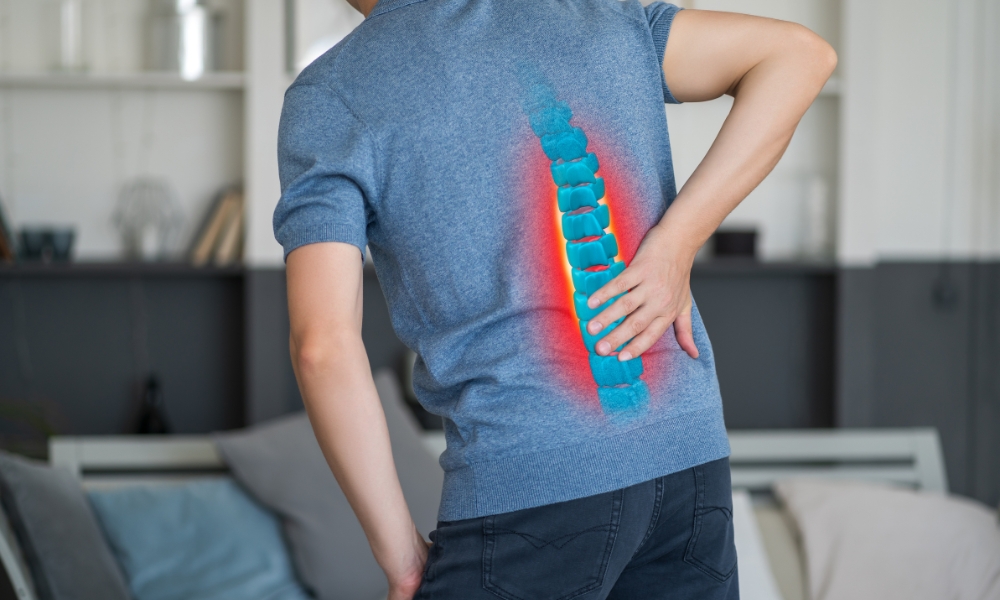
Sciatica is not actually a medical condition itself. Instead, it is a symptom that occurs when the sciatic nerve becomes irritated, compressed, or inflamed. The sciatic nerve is the largest nerve in the human body. It begins in the lower spine, travels through the buttocks, and extends down each leg.
When this nerve becomes irritated, it can create a variety of symptoms that range from mild discomfort to severe pain. Some people experience a dull ache in the lower back. Others describe electric shock sensations, burning pain, tingling, numbness, or weakness that travels down one side of the body.
The location of symptoms often depends on which portion of the nerve is affected. While lower back pain commonly accompanies sciatica, some individuals primarily notice pain in the buttock, thigh, calf, or foot.
Many patients seeking sciatica treatment in Houston are surprised to learn that the source of their leg pain may actually originate in the lower spine rather than the leg itself.
Why Does Sciatica Happen?
The sciatic nerve can become compressed for several reasons. Understanding the underlying cause is important because treatment often focuses on addressing the source of the irritation rather than simply masking symptoms.
One of the most common causes is a herniated or bulging disc. The discs between the vertebrae act as cushions for the spine. When one of these discs pushes outward and presses against a nearby nerve root, sciatica symptoms can develop.
Spinal stenosis is another common contributor. This condition involves narrowing of the spaces within the spine, which can place pressure on nerves as they exit the spinal column.
Some people develop sciatica because of degenerative changes associated with aging. Arthritis in the spine can create inflammation and structural changes that affect nearby nerves.
In other cases, muscle-related problems are responsible. Piriformis syndrome occurs when the piriformis muscle deep within the buttock irritates the sciatic nerve. This can mimic many symptoms commonly associated with spinal causes of sciatica.
Work-related injuries, auto accidents, sports injuries, prolonged sitting, poor posture, and repetitive lifting can also contribute to sciatic nerve irritation.
Individuals receiving care through work and accident injury recovery programs frequently experience sciatica following lifting injuries, falls, or repetitive workplace movements.
Common Sciatica Symptoms
Sciatica symptoms vary considerably from person to person. Some people have occasional discomfort, while others experience symptoms severe enough to interfere with walking, working, or sleeping.
The most recognizable symptom is pain that radiates from the lower back into the buttock and down the leg. This pain may feel sharp, burning, stabbing, or electric.
Many patients describe a sensation similar to an electrical current traveling through the leg. Others experience persistent aching that worsens after sitting for extended periods.
Tingling and numbness are also common. Some individuals report pins-and-needles sensations in the foot or calf, while others notice reduced sensation in certain areas of the leg.
Muscle weakness may develop when nerve compression becomes more significant. Tasks such as climbing stairs, standing from a chair, or lifting the foot while walking may become difficult.
Symptoms often worsen during activities that increase pressure within the spine. Coughing, sneezing, bending forward, or sitting for prolonged periods can sometimes trigger increased pain.
Many people initially dismiss these symptoms as ordinary lower back discomfort. However, when nerve-related symptoms begin radiating down the leg, professional evaluation becomes increasingly important.
How Serious Is Sciatica?
One of the most common questions patients ask is whether sciatica is dangerous. The answer depends on the severity of nerve involvement and the underlying cause.
For many individuals, sciatica is painful but not dangerous. Conservative treatment often produces significant improvement within weeks or months. However, ignoring symptoms can sometimes allow underlying problems to worsen over time.
Persistent nerve compression may eventually lead to increased weakness, worsening numbness, and reduced mobility. Chronic pain can also affect sleep quality, work performance, exercise habits, and overall mental well-being.
Because sciatica often impacts multiple aspects of daily life, early intervention can make a substantial difference in recovery outcomes.
Many patients receiving care through chronic pain management services report that untreated sciatica gradually became more disruptive before they finally sought treatment.
Can Sciatica Improve Without Surgery?
In many cases, yes.
This is perhaps the most encouraging news for people struggling with sciatica symptoms. Research consistently shows that a large percentage of patients improve without surgical intervention.
The body often has an impressive ability to heal and adapt. Inflammation can decrease, irritated nerves can calm down, muscles can regain balance, and mobility can improve with proper treatment strategies.
Many patients experience significant symptom reduction through a combination of physical therapy, activity modification, strengthening exercises, posture correction, and targeted pain management techniques.
Recovery timelines vary depending on the cause and severity of symptoms. Some individuals notice improvement within several weeks, while others require a longer rehabilitation period.
What matters most is identifying the specific factors contributing to nerve irritation and creating a personalized treatment plan that addresses those issues directly.
At Absolute Physical Therapy, treatment plans are designed to focus on the root cause of symptoms rather than simply providing temporary relief.
Why Physical Therapy Is Often the Best First Step
When people hear the phrase “physical therapy,” they sometimes imagine basic stretching exercises or generic rehabilitation programs. In reality, modern physical therapy is a highly individualized treatment approach that addresses movement dysfunction, muscle imbalances, nerve irritation, and biomechanical problems contributing to pain.
For sciatica patients, physical therapy often serves as one of the most effective non-surgical interventions available.
A skilled physical therapist evaluates posture, movement patterns, flexibility, strength, spinal mechanics, and nerve mobility. This assessment helps identify contributing factors that may be sustaining symptoms.
Treatment frequently includes targeted stretching to reduce pressure on irritated nerves, strengthening exercises to support the spine, mobility work to improve joint function, and education regarding body mechanics during everyday activities.
Physical therapy also helps patients regain confidence in movement. Fear of pain often causes individuals to become less active, which can lead to stiffness, weakness, and additional dysfunction. Guided rehabilitation helps break this cycle safely.
Many patients are surprised by how much improvement occurs once muscle imbalances, poor posture, and movement restrictions are addressed systematically.
In addition, therapy may be combined with other services such as low back pain treatment when lower spinal dysfunction contributes to sciatic nerve irritation.
Ways to Relieve Sciatica Pain at Home
While professional evaluation is important for persistent symptoms, there are several strategies that may help reduce discomfort and support recovery at home. The key is understanding that effective relief usually comes from improving movement and reducing nerve irritation rather than complete inactivity.
One of the biggest misconceptions about sciatica is that bed rest is the best solution. Years ago, prolonged rest was commonly recommended. Today, healthcare professionals know that extended inactivity often makes symptoms worse. Muscles become weaker, joints become stiffer, and circulation decreases, potentially slowing recovery.
Gentle movement is typically more beneficial than complete rest. Walking, when tolerated, can help improve circulation and encourage healthy movement patterns without placing excessive stress on the spine.
Many patients also find relief through targeted stretching exercises. Stretching the hamstrings, hip flexors, and piriformis muscle may reduce tension around the sciatic nerve pathway. However, not every exercise is appropriate for every person. Performing the wrong movement for a specific condition can sometimes aggravate symptoms.
Alternating between heat and cold therapy may also help. Ice can reduce inflammation during acute flare-ups, while heat may help relax tight muscles that contribute to nerve compression.
Paying attention to posture throughout the day is another important factor. Many people spend hours sitting at desks, working on computers, or driving. Poor sitting mechanics can increase pressure on the lower back and worsen nerve irritation.
Small adjustments, such as maintaining proper lumbar support, taking movement breaks, and avoiding prolonged sitting, can make a noticeable difference over time.
Weight management may also play a role. Excess body weight can increase mechanical stress on the spine and surrounding structures. Patients participating in fitness and natural weight loss programs often discover that improved physical conditioning helps reduce stress on the lower back and lower extremities.
Although home care can be beneficial, it is important to remember that persistent symptoms often require a more targeted treatment approach.

When Should You Worry About Sciatica?
Most cases of sciatica are not medical emergencies, but certain symptoms should never be ignored.
If pain continues worsening despite conservative treatment, it is important to seek professional evaluation. Progressive symptoms may indicate increasing nerve compression or another underlying issue requiring additional attention.
Significant muscle weakness is another warning sign. If the affected leg begins feeling unstable, if walking becomes increasingly difficult, or if the foot starts dragging during movement, prompt medical assessment is recommended.
Loss of bladder or bowel control is considered a medical emergency and requires immediate evaluation. Although rare, this symptom can indicate a serious condition known as cauda equina syndrome.
Severe numbness in the groin or saddle region should also be evaluated urgently.
Even when symptoms are not severe, persistent pain lasting several weeks without improvement deserves professional attention. The sooner the underlying cause is identified, the easier it may be to prevent long-term complications.
Important Note
Experiencing sciatica symptoms does not automatically mean something serious is happening. Many people recover successfully with conservative treatment and rehabilitation. However, self-diagnosing based solely on online information can sometimes delay appropriate care. If symptoms are worsening, affecting daily function, or causing significant concern, professional evaluation can provide clarity and peace of mind while helping guide the safest path toward recovery.
How Sciatica Is Diagnosed
Diagnosing sciatica involves more than simply confirming the presence of leg pain. Healthcare providers work to identify the underlying cause of nerve irritation so treatment can be tailored appropriately.
The process usually begins with a detailed discussion of symptoms. Your provider may ask where the pain begins, how far it travels, what activities worsen symptoms, and whether numbness, tingling, or weakness are present.
A physical examination often follows. This may include evaluating posture, flexibility, muscle strength, reflexes, walking mechanics, and nerve function.
Special movement tests are frequently used to reproduce symptoms and identify which structures may be contributing to nerve irritation.
Imaging studies such as MRI scans are not always necessary initially. However, they may be recommended when symptoms are severe, progressive, or not responding to conservative treatment.
The goal is not simply to label the condition as sciatica. The goal is to determine why the nerve is being affected and which treatment strategies are most likely to produce meaningful improvement.
Non-Surgical Treatment Options for Sciatica
Most people are relieved to learn that effective treatment options exist beyond surgery. In fact, conservative care is typically the first recommendation for the majority of patients.
The most successful treatment plans often combine multiple approaches rather than relying on a single intervention.
Physical Therapy
Physical therapy remains one of the most effective treatment methods for addressing both symptoms and underlying causes.
Rather than simply masking discomfort, therapy focuses on improving mobility, correcting movement dysfunction, strengthening supportive muscles, and reducing stress on affected nerves.
Patients often experience improved flexibility, greater functional capacity, and reduced pain as treatment progresses.
Manual Therapy
Hands-on treatment techniques can help improve joint mobility, reduce muscle tension, and restore more natural movement patterns.
Manual therapy is frequently used alongside exercise-based rehabilitation to maximize outcomes.
Pain Management Strategies
Some individuals benefit from comprehensive pain management approaches designed to reduce inflammation, improve comfort, and facilitate participation in rehabilitation.
Managing pain effectively often allows patients to remain active and continue progressing through treatment.
Advanced Rehabilitation Technologies
Modern rehabilitation clinics may utilize specialized treatment modalities to complement traditional therapy.
Services such as advanced modalities and laser therapy may be incorporated when appropriate as part of a comprehensive treatment plan.
These technologies are typically used to support tissue healing, reduce inflammation, and improve patient comfort during recovery.
Posture and Ergonomic Correction
Many sciatica cases are influenced by daily movement habits.
Simple activities such as sitting, lifting, bending, driving, and sleeping can either contribute to recovery or prolong symptoms.
Learning proper body mechanics helps reduce unnecessary strain on the spine and may significantly decrease recurring flare-ups.
Targeted Exercise Programs
Exercise is one of the most powerful long-term tools for preventing recurrent sciatica.
Strengthening the core, improving hip stability, enhancing flexibility, and correcting muscular imbalances help create a more resilient musculoskeletal system.
The right exercise program varies from person to person. Factors such as age, fitness level, symptom severity, occupation, and underlying diagnosis all influence treatment recommendations.
Why Some Cases Become Chronic
One reason sciatica becomes frustrating for many people is that the underlying cause often remains unaddressed.
Temporary pain relief may reduce symptoms briefly, but if the factors contributing to nerve irritation continue, discomfort frequently returns.
For example, a person with weak core muscles, poor posture, and repetitive lifting demands at work may experience recurring flare-ups even after symptoms initially improve.
Similarly, degenerative spinal changes may require ongoing management strategies rather than short-term symptom relief alone.
This is why comprehensive rehabilitation focuses not only on relieving current pain but also on reducing the likelihood of future episodes.
Patients dealing with recurring symptoms often benefit from individualized treatment plans available through professional physical therapy evaluations that identify personal risk factors and recovery goals.
Can Exercise Make Sciatica Worse?
The answer depends on the exercise.
Appropriate movement often helps sciatica improve. However, certain activities may aggravate symptoms when performed incorrectly or during active flare-ups.
High-impact activities, aggressive stretching, heavy lifting, or exercises that excessively load the spine can sometimes increase nerve irritation.
This is one reason professional guidance can be so valuable. A customized rehabilitation plan ensures exercises are matched to the patient’s specific condition rather than relying on generic internet recommendations.
How to Prevent Sciatica from Returning
One of the biggest concerns people have after recovering from sciatica is whether the pain will come back. While no prevention strategy can guarantee that symptoms will never return, there are several proven ways to significantly reduce the risk of future flare-ups.
The first step is maintaining consistent physical activity. Many people become less active once their symptoms improve, only to experience another episode months later. Regular movement helps maintain flexibility, muscle strength, joint mobility, and spinal health.
Core strengthening is particularly important. The muscles surrounding the abdomen, pelvis, and lower back provide support for the spine during everyday activities. When these muscles become weak, additional stress may be placed on spinal structures that can contribute to nerve irritation.
Posture also plays a major role. Hours spent sitting at a desk, working from home, commuting, or looking down at mobile devices can gradually place excessive stress on the neck, back, and hips.
Simple adjustments such as maintaining proper lumbar support, positioning computer monitors correctly, and taking movement breaks every 30 to 60 minutes can help protect spinal health over time.
Lifting techniques matter as well. Bending at the waist while lifting heavy objects places significant pressure on the lower back. Learning to lift with the legs, engage the core, and maintain proper spinal alignment can help reduce injury risk.
Maintaining a healthy weight may further reduce strain on the spine and lower extremities. Excess weight often increases mechanical stress throughout the musculoskeletal system, particularly in the lower back, hips, knees, and feet.
Many patients discover that ongoing exercise programs and wellness-focused rehabilitation help them stay active, independent, and less vulnerable to future episodes of nerve pain.
How Long Does Sciatica Recovery Usually Take?
This is one of the most frequently asked questions by patients experiencing sciatica symptoms.
Unfortunately, there is no single answer because recovery depends on several factors, including the underlying cause, symptom severity, overall health, activity level, and treatment approach.
Mild cases may improve within a few weeks. Moderate cases often require several weeks to a few months of structured rehabilitation. More complex situations involving chronic nerve irritation, spinal degeneration, or recurring injuries may require longer-term management.
What is important to understand is that recovery is rarely perfectly linear.
Many people experience good days and bad days during the healing process. Temporary increases in symptoms do not necessarily mean treatment is failing or that surgery is required.
Consistent participation in treatment, adherence to exercise recommendations, and attention to lifestyle factors typically produce the best outcomes over time.
The goal is not simply reducing pain for a few days. The goal is restoring long-term function, mobility, strength, and confidence.
Can Sciatica Go Away on Its Own?
In some situations, yes.
The body can often reduce inflammation naturally, and certain minor nerve irritations may improve without extensive intervention.
However, waiting indefinitely for symptoms to resolve is not always the best strategy.
Persistent nerve irritation can sometimes lead to compensatory movement patterns, muscle weakness, reduced mobility, and chronic pain cycles that become increasingly difficult to address later.
Early evaluation allows healthcare providers to identify contributing factors and develop a plan that supports recovery while minimizing the risk of long-term complications.
Even if symptoms eventually improve on their own, addressing underlying biomechanical issues can help reduce the likelihood of recurrence.
Who Is Most at Risk for Developing Sciatica?
Sciatica can affect adults of nearly any age, but certain factors increase risk.
Individuals who perform repetitive lifting, bending, twisting, or physically demanding work often experience increased strain on the spine.
Office workers may also be vulnerable due to prolonged sitting and poor workstation ergonomics.
Age-related spinal changes become more common as people get older, increasing the likelihood of conditions such as disc degeneration and spinal stenosis.
People with obesity, sedentary lifestyles, previous back injuries, and chronic musculoskeletal conditions may also face elevated risk.
Athletes are not immune either. Sports involving repetitive impact, twisting movements, or sudden directional changes can contribute to lower back and nerve-related problems.
Understanding personal risk factors helps individuals take proactive steps toward prevention and early intervention.
Finding Effective Sciatica Treatment in Houston
Living with persistent sciatic nerve pain can affect nearly every aspect of daily life. Work responsibilities become harder to manage. Exercise routines become limited. Sleep quality suffers. Even simple activities like walking through a grocery store or sitting through a family dinner may become uncomfortable.
Fortunately, effective treatment options are available for many Houston-area residents experiencing sciatica symptoms.
The most successful treatment plans typically begin with a comprehensive evaluation designed to identify the source of nerve irritation and the factors contributing to ongoing symptoms.
Rather than relying solely on temporary symptom relief, modern rehabilitation focuses on restoring movement quality, improving strength, correcting biomechanical dysfunction, and supporting long-term recovery.
Patients searching for sciatica treatment Houston often benefit from a multidisciplinary approach that combines physical therapy, pain management strategies, targeted exercise programs, and education regarding posture and movement mechanics.
Because every patient presents differently, personalized treatment plans are often the most effective way to achieve lasting results.
Whether symptoms developed after a work injury, sports injury, auto accident, or gradual wear and tear over time, early intervention can often improve outcomes and reduce the likelihood of chronic pain.
Final Thoughts
Sciatica can be painful, frustrating, and disruptive, but surgery is not the only option—and for many people, it is not necessary at all.
Understanding the underlying cause of symptoms, seeking appropriate evaluation, and following a structured treatment plan can often lead to significant improvement. From targeted rehabilitation and exercise to posture correction and lifestyle modifications, there are numerous ways to support healing while reducing pressure on the sciatic nerve.
If symptoms are interfering with your daily activities, becoming progressively worse, or limiting your quality of life, professional guidance may help identify the most effective path forward.
Many individuals who once struggled with severe sciatic nerve pain are able to return to work, exercise, recreation, and everyday activities without surgery through comprehensive rehabilitation and evidence-based treatment.
Frequently Asked Questions
What is the fastest way to relieve sciatica pain?
The fastest relief often comes from a combination of activity modification, targeted stretching, physical therapy, and reducing inflammation. However, treatment should address the underlying cause rather than simply masking symptoms.
Can walking help sciatica?
For many individuals, walking helps improve circulation, reduce stiffness, and promote recovery. The appropriate amount of walking depends on symptom severity and the underlying condition.
Does sciatica always start in the lower back?
No. Some people primarily experience symptoms in the buttock, thigh, calf, or foot. Although the problem often originates in the lower spine, back pain is not always the most noticeable symptom.
Can physical therapy cure sciatica?
Physical therapy can significantly improve many cases of sciatica by addressing the underlying factors contributing to nerve irritation. Outcomes depend on the specific diagnosis and individual circumstances.
How do I know if my leg pain is sciatica?
Sciatica often causes pain that radiates from the lower back or buttock down one leg. Tingling, numbness, burning sensations, and weakness may also occur. A professional evaluation is the best way to confirm the diagnosis.
When should I seek medical attention for sciatica?
You should seek evaluation if symptoms persist, worsen, interfere with daily activities, cause significant weakness, or are accompanied by bowel or bladder dysfunction.
Can sitting make sciatica worse?
Yes. Prolonged sitting can increase pressure on spinal structures and aggravate sciatic nerve irritation in many individuals.
Is surgery necessary for sciatica?
Most people improve without surgery. Surgical intervention is generally reserved for severe cases involving progressive neurological deficits, persistent pain despite treatment, or certain structural conditions.
Schedule Professional Sciatica Care in Houston
If sciatica symptoms are limiting your mobility, disrupting your daily activities, or preventing you from enjoying life comfortably, professional evaluation may help identify the cause and create a personalized recovery plan. The team at Absolute Physical Therapy provides comprehensive rehabilitation and non-surgical treatment options designed to help patients reduce pain, improve movement, and return to the activities they enjoy.
Schedule an evaluation today to learn more about your treatment options and begin your path toward lasting relief.
Medical Disclaimer: This article is intended for educational purposes only and should not be considered medical advice. Always consult a qualified healthcare professional regarding diagnosis, treatment, or concerns related to your symptoms and medical condition.