

You work hard all week at your desk job, and when the weekend rolls around, you’re ready to play hard too. Maybe it’s a pickup basketball game, a long bike ride, or an intense tennis match with friends.
But by Sunday night, you’re dealing with a pulled muscle, a sore shoulder, or knee pain that won’t quit. If this sounds familiar, you’ve experienced what healthcare professionals call weekend warrior injuries.
These injuries happen when you go from minimal physical activity during the week to intense exercise on weekends. Your body simply isn’t prepared for the sudden demand, and the result is pain, strain, and sometimes serious damage that sidelines you for weeks! Let’s break down exactly why they happen and what you can do about them.
Related: How Can I Strengthen My Legs After Being Bedridden?
Why Weekend Warrior Injuries Happen
Understanding why these injuries occur is the first step toward preventing them. Weekend warrior injuries don’t happen because you’re out of shape or too old to play sports. They happen because of how you’re approaching physical activity!
Inconsistent Physical Activity Throughout the Week
Your muscles, tendons, and joints need regular conditioning to stay strong and flexible. When you spend Monday through Friday sitting at a desk with little movement, your body adapts to that sedentary lifestyle.
Then suddenly asking it to sprint, jump, or lift heavy objects on Saturday creates a shock to your system. Sporadic exercise patterns significantly increase injury risk compared to consistent, moderate activity throughout the week.
Lack of Proper Warm-Up and Cool-Down Routines
When you’re excited to get into the game or squeeze in a workout before other weekend obligations, it’s tempting to skip the warm-up. But cold muscles are tight muscles, and tight muscles are more prone to tears and strains.
A proper warm-up increases blood flow, raises your muscle temperature, and prepares your body for the work ahead. Similarly, cooling down helps remove lactic acid buildup and reduces next-day soreness.
Overestimating Current Fitness Levels
Many weekend warriors remember what they could do ten or twenty years ago and expect their bodies to perform the same way today. You might have been able to play three hours of basketball in college, but your 45-year-old body needs a different approach.
This disconnect between past abilities and current fitness is one of the most common causes of injuries from weekend sports. Your mind writes checks your body can’t cash.
Inadequate Recovery Time Between Activities
Some weekend warriors pack both Saturday and Sunday full of intense activities. Maybe it’s a long run on Saturday morning followed by a softball game in the afternoon, then yard work on Sunday.
Your body needs time to repair the micro-tears that occur during exercise. Without proper recovery, you’re building fatigue and damage rather than strength and endurance.
What Are the Most Common Weekend Warrior Injuries
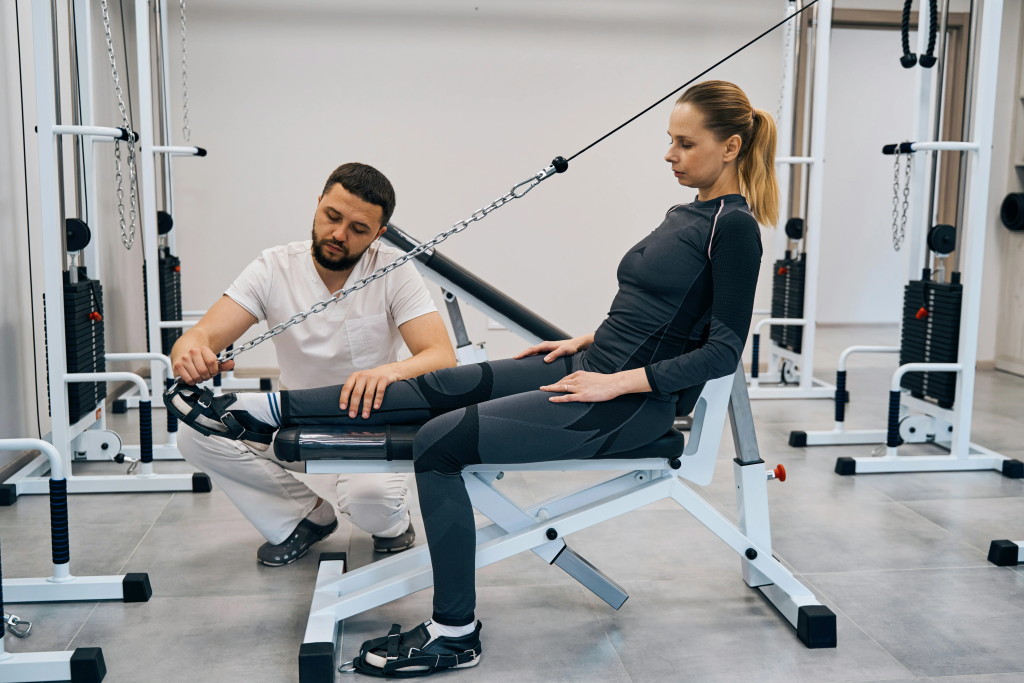
Weekend warrior injuries typically affect the same areas of the body, regardless of which sport or activity you’re doing. Knowing what to watch for can help you catch problems early.
Sprains and Strains in Ankles, Knees, and Shoulders
Sprains happen when you stretch or tear a ligament, while strains affect muscles or tendons. Both are incredibly common in weekend athletes who push too hard too fast.
Ankle sprains often occur during sports that involve quick direction changes like basketball, tennis, or soccer. Knee strains frequently happen during running or jumping activities. Shoulder injuries are common in activities like swimming, golf, or throwing sports.
These sprains and strains from sporadic activity can range from mild discomfort to severe tears that require months of recovery. The key is addressing them quickly before a minor issue becomes a major problem.
Rotator Cuff and Tennis Elbow Issues
The rotator cuff is a group of muscles and tendons that stabilize your shoulder joint. Weekend activities that involve overhead motions, throwing, or swimming can strain these tissues.
Tennis elbow, despite its name, affects more than just tennis players. Any repetitive gripping or wrist extension can cause this painful condition. Weekend golfers, painters, and even enthusiastic gardeners develop tennis elbow regularly.
Both conditions develop gradually but become noticeably worse after intense weekend use. If you’re experiencing pain that radiates down your arm or limits your range of motion, it’s time to seek help at our physical therapy clinic.
Lower Back Pain and Muscle Pulls
Your lower back supports nearly every movement you make. When you suddenly ask it to handle activities like swinging a golf club, lifting weights, or running on uneven terrain, it can respond with sharp pain or muscle spasms.
Overexertion injuries in the lower back are particularly problematic because they affect your ability to perform daily activities like sitting, standing, and sleeping comfortably. Many weekend warriors dismiss back pain as normal soreness, but persistent discomfort often indicates a more serious strain.
Achilles Tendon Injuries
The Achilles tendon connects your calf muscle to your heel bone and handles enormous stress during running and jumping. Weekend athletes who suddenly increase their activity level put tremendous strain on this tendon.
Achilles injuries can range from tendinitis (inflammation) to partial or complete tears. You might notice pain along the back of your leg or above your heel, especially in the morning or after exercise.
These injuries require professional attention because an untreated Achilles problem can lead to chronic pain and permanent damage.
How Weekend Warrior Injuries Differ from Regular Sports Injuries
While the actual injuries might look the same, weekend athlete injuries have unique characteristics that affect how they should be treated and prevented.
Sudden Intensity Without Regular Conditioning
Athletes who train consistently build up their body’s ability to handle stress gradually. Their muscles, tendons, and cardiovascular system adapt over time to increasing demands.
Weekend warriors skip this adaptation process entirely. You’re asking your body to perform at high intensity without the foundation to support it. This is why common weekend warrior injuries often seem to appear out of nowhere — one moment you’re fine, the next you’re hurt!
Age-Related Recovery Challenges for Adults Over 35
Most weekend warriors are in their 30s, 40s, 50s, or beyond. At these ages, your body doesn’t recover as quickly as it did when you were younger.
Inflammation takes longer to resolve, muscles rebuild more slowly, and the cumulative effect of previous injuries starts to matter. What might have been a two-day recovery in your twenties can become a two-week problem in your forties.
This doesn’t mean you should stop being active. It means you need to be smarter about how you approach exercise and recovery. Our pain management services can help you stay active while protecting your body from further damage.
Greater Risk of Reinjury Without Proper Treatment
Because weekend warriors often treat their injuries as minor inconveniences rather than real problems, they frequently return to activity too soon. You might rest for a few days, feel better, and jump right back into your weekend routine.
But feeling better doesn’t mean you’re healed. Tissues need time to fully repair, and returning to intense activity before you’re ready dramatically increases your risk of reinjury.
How to Recognize When a Weekend Injury Needs Professional Help

Not every ache and pain requires a trip to a physical therapist, but knowing when to seek help can prevent a minor issue from becoming a major problem.
Persistent Pain That Doesn’t Improve After a Few Days
Normal muscle soreness from exercise should peak within 24 to 48 hours and gradually improve. If your pain isn’t getting better after three to four days, or if it’s getting worse, that’s a sign something more serious is happening.
Weekend warrior injuries that involve tissue damage rather than simple fatigue need professional evaluation and treatment. Waiting too long to address these injuries can lead to chronic problems that are much harder to resolve.
Swelling, Bruising, or Limited Range of Motion
Visible swelling or bruising indicates tissue damage that goes beyond normal exercise stress. Similarly, if you can’t move a joint through its normal range of motion, or if movement causes sharp pain, you’ve likely suffered a significant strain or sprain.
These symptoms require assessment by a trained professional who can determine the extent of the damage and create an appropriate treatment plan. Our services include comprehensive evaluations that identify exactly what’s wrong and how to fix it.
Difficulty Bearing Weight or Performing Daily Activities
If your injury is interfering with normal activities like walking, climbing stairs, lifting objects, or even sleeping comfortably, it’s time to get help. Pain that affects your quality of life isn’t something you should just “push through.”
Physical therapy can address these functional limitations quickly, helping you return to both daily activities and recreational sports safely. The sooner you start treatment, the faster you’ll recover.
What You Can Do to Prevent Weekend Warrior Injuries
The good news is that preventing weekend warrior injuries doesn’t require giving up your favorite activities. It just requires a smarter approach to fitness and recovery.
Maintain Baseline Fitness with Midweek Exercise Sessions
The single most effective way to prevent weekend warrior injuries is to stay active throughout the week. You don’t need intense workouts—just 20 to 30 minutes of moderate activity three or four times per week makes a tremendous difference.
Walking, light jogging, swimming, or bodyweight exercises keep your muscles engaged and your cardiovascular system working. When the weekend arrives, your body is already warmed up and ready for more intense activity.
Our weight loss and wellness programs can help you establish a consistent routine that fits your schedule and supports your weekend activities.
Always Warm Up Before and Stretch After Activity
Dedicate at least 10 minutes to warming up before any intense activity. Start with light cardio to increase your heart rate and blood flow, then do dynamic stretches that mimic the movements you’re about to perform.
After your activity, cool down with gentle movement and static stretching. This helps your body transition back to rest and reduces next-day stiffness.
Gradually Increase Intensity Rather Than Going All-Out
If you’re starting a new activity or returning after time off, ease into it. Play for shorter periods, reduce the intensity, and give your body time to adapt.
Think of it as training for your weekend fun rather than treating every Saturday like a championship game. Preventing weekend warrior injuries is about patience and progression, not about proving how tough you are.
Listen to Your Body and Rest When Needed
Pain is your body’s way of telling you something is wrong. Don’t ignore it or try to push through it. If something hurts during an activity, stop and assess what’s happening.
Similarly, if you’re still sore from last weekend’s activity, consider taking this weekend off or choosing a lower-impact activity. Rest is when your body gets stronger, not during the activity itself.
If you do experience an injury, our post-surgical rehab expertise extends to all types of injury recovery, helping you heal properly so you can get back to doing what you love.
Get Back to Your Active Lifestyle with Absolute Physical Therapy and Fitness
Weekend warrior injuries don’t have to sideline you for weeks or months. With the right treatment and prevention strategies, you can enjoy your favorite activities without constant pain and setbacks.
At Absolute Physical Therapy and Fitness, we specialize in helping active adults recover from sports injuries and build the strength and flexibility needed to prevent future problems. Our personalized treatment plans address your specific injury while also improving your overall fitness and movement patterns.
We understand that you don’t want to give up your weekend activities—you just want to enjoy them without pain. Our team will work with you to create a recovery and prevention plan that fits your lifestyle and goals.
Don’t let weekend warrior injuries keep you from living an active, fulfilling life. Contact us today to schedule an appointment and take the first step toward pain-free weekends!