

If you’ve injured your rotator cuff, one of your first questions is probably about rotator cuff injury recovery time. Understanding how long healing takes helps you plan your daily activities, work schedule, and return to the things you love doing.
The rotator cuff is a group of four muscles and tendons that surround your shoulder joint, keeping your arm bone securely in the shoulder socket. When these tissues become damaged through injury, overuse, or wear and tear, the result can be pain, weakness, and limited movement that affects everything from reaching overhead to sleeping comfortably.
Recovery time varies significantly based on the type and severity of your injury, but with the right treatment approach, most people can expect meaningful improvement and a return to normal activities.
Related: What Causes Plantar Fasciitis to Flare Up? Triggers and Prevention Tips
What Factors Affect Rotator Cuff Injury Recovery Time
Several important factors influence how quickly your shoulder heals. Understanding these elements helps set realistic expectations for your recovery journey.
Severity of the Tear or Injury
The extent of damage to your rotator cuff plays the biggest role in determining healing time. A minor strain involves inflamed or slightly damaged tendons, while a partial tear means some fibers are torn but the tendon is still attached.
A complete tear, where the tendon fully separates from the bone, requires the longest recovery period. Complete tears don’t heal on their own and often require surgical intervention.
Age and Overall Health Status
Younger patients typically experience faster shoulder injury recovery because their bodies produce healing cells more efficiently. Your overall health also matters significantly.
Conditions like diabetes can slow tissue healing, while good circulation and nutrition support faster recovery. People who maintain regular physical activity before injury often recover more quickly than those with sedentary lifestyles.
Treatment Approach Selected
Conservative treatment with rest, physical therapy, and anti-inflammatory measures works well for many rotator cuff injuries. Surgical repair becomes necessary for complete tears or when conservative treatment doesn’t provide relief after several months.
The treatment path you choose directly impacts your rotator cuff healing timeline. Surgery requires additional recovery time for the surgical site to heal before rehabilitation can advance.
Consistency With Rehabilitation Exercises
Perhaps the most controllable factor is how diligently you follow your rehabilitation program. Patients who consistently perform prescribed exercises and attend therapy sessions typically recover faster and more completely.
Skipping exercises or pushing too hard too fast can both delay recovery. Following professional guidance gives you the best chance for optimal healing.
How Long Different Types of Rotator Cuff Injuries Take to Heal
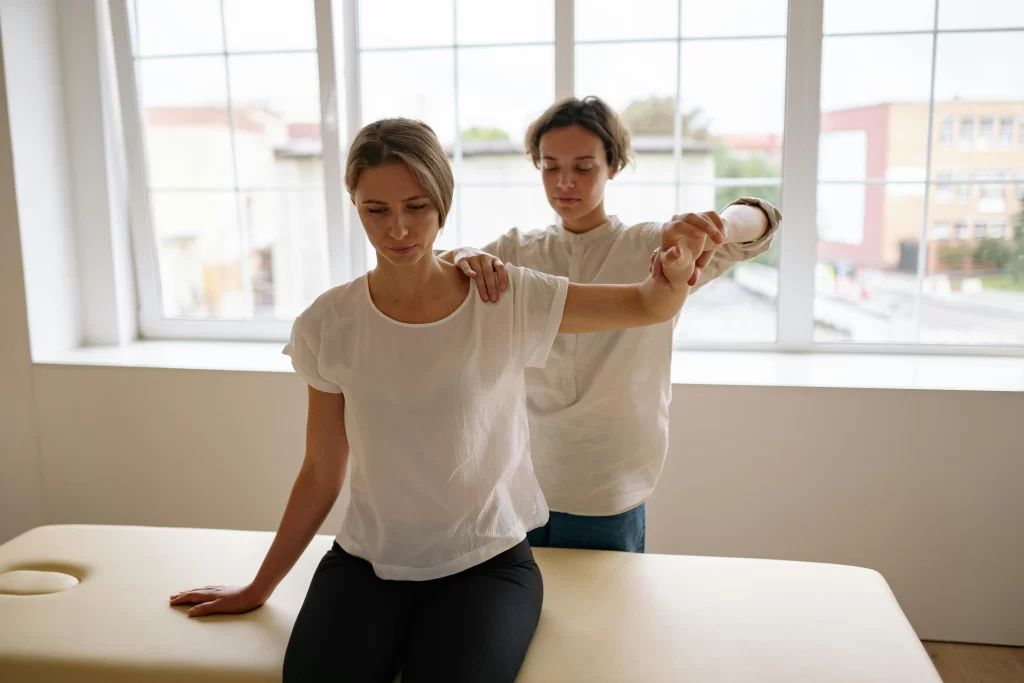
Rotator cuff injury recovery time ranges from a few weeks to several months depending on injury severity. Here’s what you can expect for different types of damage.
Minor Strains and Inflammation
Rotator cuff tendinitis or minor strains usually improve within 2 to 4 weeks with appropriate rest and treatment. These injuries involve inflammation without significant structural damage to the tendons.
You’ll likely experience reduced pain within the first week, with gradual return to normal activities by week three or four. Many people return to full function with conservative treatment alone.
Partial Rotator Cuff Tears
A partial tear typically requires 6 to 12 weeks for significant improvement. These injuries involve damage to some tendon fibers while others remain intact.
Recovery focuses on reducing inflammation, maintaining shoulder mobility, and gradually building strength. Most patients see substantial progress by the two-month mark with dedicated rehabilitation.
Complete Rotator Cuff Tears
Full-thickness tears require 4 to 6 months for recovery, sometimes longer depending on the tear’s size and location. These injuries won’t heal without surgical intervention in most cases.
The tendon must reattach to the bone and develop sufficient strength to support shoulder function. Patience during this extended timeline is essential for long-term success.
Recovery After Shoulder Surgery
If you undergo rotator cuff repair surgery, expect the full recovery after shoulder surgery to take 4 to 6 months minimum. Some patients need up to a year to return to demanding activities or sports.
The first 6 weeks focus on protecting the surgical repair while maintaining gentle movement. Active strengthening typically begins around week 6 to 8, with gradual progression over the following months.
What to Expect During Each Phase of Rotator Cuff Healing Timeline
Recovery happens in distinct phases, each with specific goals and activities. Understanding these stages helps you recognize normal progress.
Initial Inflammation and Pain Management Phase
The first 2 to 6 weeks after injury or surgery focus on controlling pain and inflammation. You’ll likely wear a sling to protect your shoulder and limit movement to what your doctor or therapist recommends.
Pain management strategies during this phase include ice application, prescribed medications, and gentle pendulum exercises. The goal is allowing initial healing while preventing stiffness.
Rest is important, but complete immobilization can lead to frozen shoulder. Your physical therapist will guide you on safe, gentle movements.
Early Mobility and Gentle Movement Phase
From weeks 6 to 12, you’ll gradually increase shoulder movement under professional supervision. This phase emphasizes regaining your range of motion without stressing the healing tissues.
Passive exercises, where your therapist or your other arm moves your injured shoulder, help restore flexibility. You’ll also begin light active-assisted exercises as tissues strengthen. Maintaining shoulder mobility during healing prevents long-term stiffness and dysfunction.
Strengthening and Function Restoration Phase
Between months 3 to 4, you’ll progress to active strengthening exercises. This phase builds the muscle strength needed to support your shoulder during daily activities.
Rotator cuff rehab exercises become more challenging, targeting not just the rotator cuff muscles but also the surrounding shoulder stabilizers. Resistance bands, light weights, and functional movements become part of your routine.
Your therapist monitors your progress closely, adjusting exercises based on your pain levels and functional improvements. Gradual progression prevents re-injury while building lasting strength.
Return to Full Activity Phase
From months 4 to 6 and beyond, you’ll work toward returning to all your normal activities, including sports or physically demanding work. This phase requires patience as full tissue maturation takes time.
Your therapist will design sport-specific or job-specific exercises to prepare you for your particular activities. You might still experience some minor discomfort or fatigue as you increase activity levels.
Full rotator cuff tear recovery can take up to a year for complete tissue healing and strength restoration, especially after surgical repair.
Why Physical Therapy for Rotator Cuff Accelerates Recovery

Professional rehabilitation is one of the most important factors in achieving optimal shoulder injury recovery. Here’s how physical therapy helps you heal faster and more completely.
Targeted Rotator Cuff Rehab Exercises
Physical therapists design exercise programs specifically for your injury type, recovery phase, and personal goals. These targeted exercises address your exact needs rather than using generic shoulder movements.
Early exercises focus on gentle range of motion and scapular stability. As healing progresses, exercises advance to include resistance training, functional movements, and sport-specific activities.
This progressive approach ensures you’re always working at the right intensity for your current healing stage.
Professional Monitoring and Progress Adjustments
Your physical therapist tracks your recovery week by week, making adjustments when progress stalls or accelerates. This expert monitoring prevents both under-training and over-training.
If you develop compensatory movement patterns or experience setbacks, your therapist can identify these issues immediately and modify your program. Regular assessments ensure you’re always moving in the right direction.
This personalized attention is especially valuable during recovery after shoulder surgery when healing timelines must be strictly followed.
Pain Management Techniques
Beyond exercises, physical therapists use various techniques to control pain and reduce inflammation. These might include ice and heat therapy, gentle manual therapy, and education about activity modification.
Managing pain effectively allows you to participate more fully in rehabilitation exercises, which accelerates overall recovery. You’ll also learn strategies to manage discomfort at home between therapy sessions.
Preventing Future Shoulder Injuries
Perhaps most importantly, physical therapy addresses the underlying factors that contributed to your injury. Your therapist will identify muscle imbalances, poor movement patterns, or flexibility limitations that increase re-injury risk.
By correcting these issues during recovery, you build a stronger, more resilient shoulder for the long term. Many patients report their shoulder feels better and more stable after rehabilitation than it did before their injury.
Schedule Your Rotator Cuff Recovery Assessment at Absolute Physical Therapy
Understanding rotator cuff injury recovery time is just the first step. Getting personalized care that addresses your specific injury and goals makes all the difference in achieving optimal healing.
At our expert pain management & physical therapy space in Houston, we specialize in helping patients recover from shoulder injuries and return to the activities they love. Our experienced therapists create customized treatment plans based on your injury severity, lifestyle needs, and recovery goals.
Whether you’re dealing with a minor strain or recovering from surgical repair, we provide the expert guidance and support you need throughout every phase of healing.
Don’t let shoulder pain and limited mobility hold you back any longer. Our team will assess your condition, explain your expected recovery timeline, and develop a rehabilitation program designed specifically for you.
Ready to start your recovery journey? Schedule your assessment, or explore our comprehensive services to learn more about how we can help you heal stronger.