
Weak knees can turn everyday activities into painful challenges.
Whether you’re struggling to climb stairs, feeling unstable during walks, or experiencing discomfort after standing for long periods, knee weakness affects your independence and quality of life. The good news is that with the right approach, you can rebuild strength, improve stability, and regain confidence in your movement.
Understanding how to strengthen weak knees starts with identifying why they became weak in the first place, recognizing the warning signs, and implementing safe, effective exercises. At Absolute Physical Therapy, we help Houston residents overcome knee weakness through personalized treatment plans that address both immediate relief and long-term strength building.
Related: Why Does My Shoulder Hurt When I Lift Weights?
Why Weak Knees Develop Over Time
Understanding the root causes of knee weakness helps you address the problem effectively rather than just masking symptoms.
Natural Aging and Cartilage Breakdown
As we age, the cartilage that cushions our knee joints naturally begins to wear down. This process, often leading to osteoarthritis, reduces the shock absorption in your knees and can cause pain, stiffness, and weakness. The muscles surrounding the knee may also lose mass and strength over time if not actively maintained, creating a compounding effect that makes the joint feel increasingly unstable.
Previous Injuries That Never Fully Healed
Old knee injuries — whether from sports, falls, or accidents — can leave lasting weakness even after the initial pain subsides. Ligament sprains, meniscus tears, or fractures that weren’t properly rehabilitated often result in compensation patterns where other muscles take over, leaving the knee joint vulnerable. Our post-surgical rehab programs address these lingering issues to restore proper function.
Muscle Imbalances Around the Knee Joint
Your knee relies on balanced support from multiple muscle groups, including the quadriceps, hamstrings, hip flexors, and calf muscles. When some muscles become tight while others remain weak, the knee joint doesn’t track properly during movement.
This imbalance creates uneven pressure distribution and can lead to chronic weakness, pain, and increased injury risk.
Excess Body Weight Placing Stress on Knees
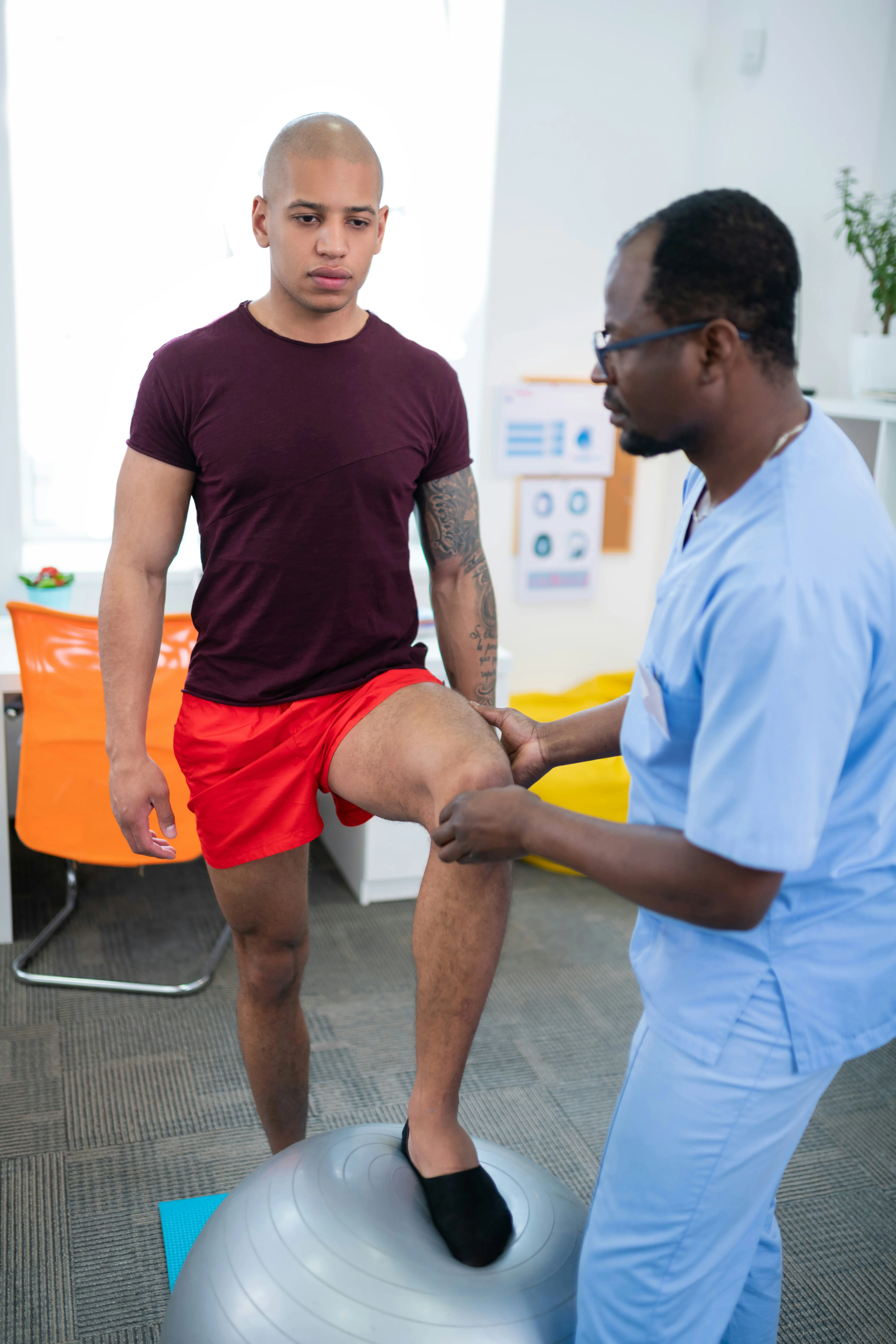
Every pound of body weight places approximately four pounds of pressure on your knee joints during walking and even more during activities like climbing stairs. Carrying extra weight accelerates cartilage breakdown and makes it harder for the surrounding muscles to adequately support the joint.
Did you know our weight loss & wellness programs help reduce this burden while strengthening the muscles that protect your knees?
How to Identify If You Have Weak Knees
Recognizing the signs of knee weakness early allows you to take action before the problem worsens.
Pain When Climbing Stairs or Standing Up
If you feel sharp or aching pain in your knees when climbing stairs, getting up from a chair, or transitioning from sitting to standing, this often indicates weakness in the quadriceps muscles. These muscles are responsible for controlling the knee during these movements, and when they’re weak, the joint bears more direct stress than it should.
Instability or Wobbling During Daily Activities
A sense that your knee might “give out” or buckle during walking, turning, or standing is a clear sign of weakness. This instability suggests that the muscles and ligaments supporting your knee aren’t providing adequate stabilization. You might notice this feeling more pronounced on uneven surfaces or when you’re tired.
Swelling or Stiffness After Physical Activity
Knees that swell or become noticeably stiff after activities that shouldn’t be particularly challenging — like grocery shopping, light walking, or standing while cooking — indicate that the joint is being overstressed. This inflammatory response shows that your knee structures are working harder than they should because the supporting muscles aren’t doing their job effectively.
Difficulty Supporting Your Body Weight on One Leg
Try standing on one leg for 10-15 seconds. If your knee feels shaky, painful, or you can’t maintain balance, this reveals significant weakness in both the knee stabilizers and hip muscles. Single-leg balance is essential for virtually every movement pattern, from walking to climbing stairs, so difficulty with this test indicates functional weakness that needs attention.
Exercises to Strengthen Weak Knees Safely
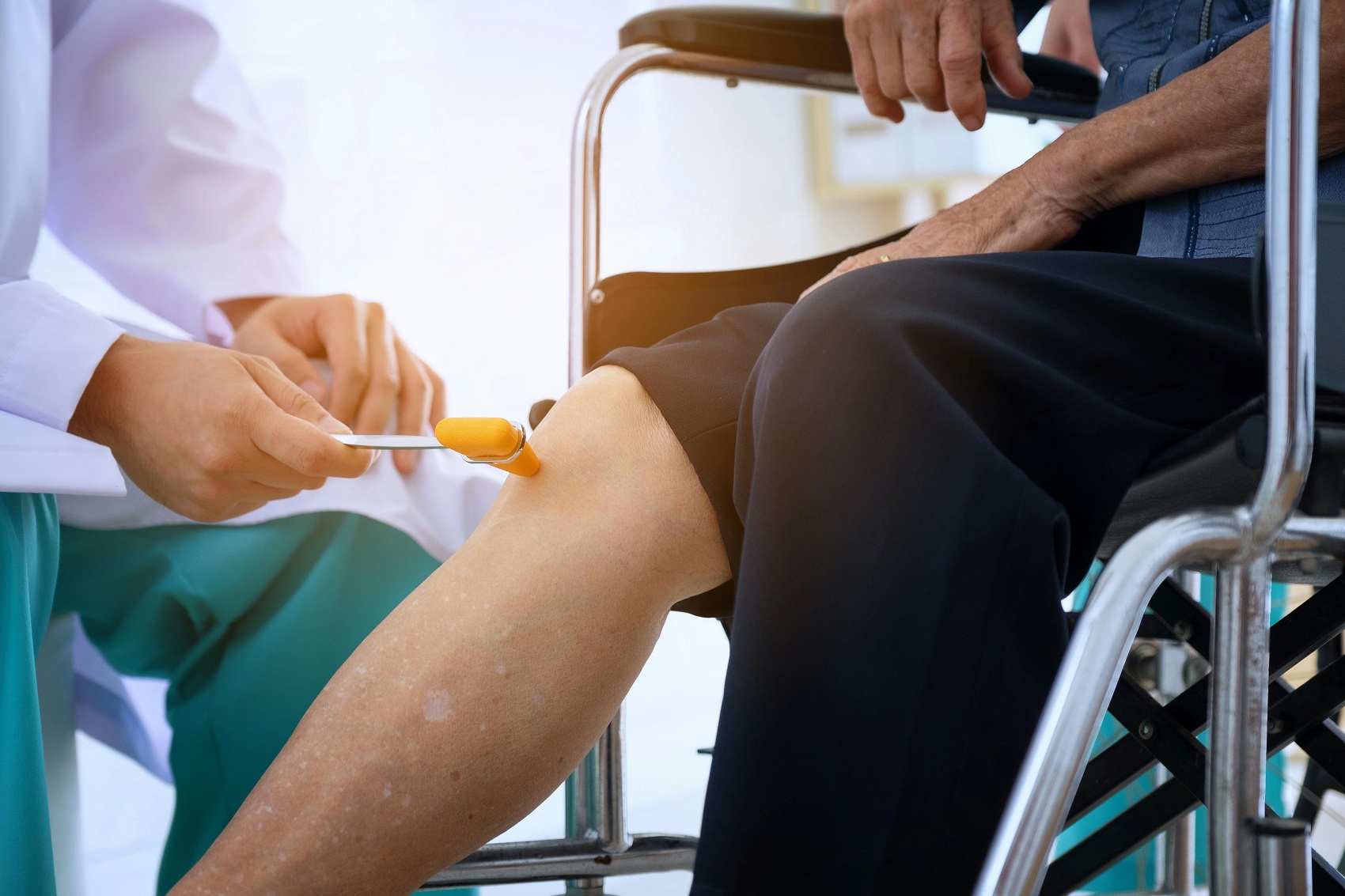
These foundational exercises can help you learn how to strengthen weak knees without causing additional pain or injury. Always start gently and progress gradually.
Straight Leg Raises for Quadriceps Strength
Lie on your back with one leg bent and the other straight. Tighten the thigh muscle of your straight leg, then lift it about 6-12 inches off the ground while keeping the knee completely straight. Hold for 2-3 seconds, then lower slowly. This exercise strengthens the quadriceps without bending the knee, making it ideal for those with significant pain or weakness. Start with 10 repetitions on each leg and gradually increase as you build strength.
Wall Sits to Build Endurance Without Impact
Stand with your back against a wall and slide down until your knees are bent at about 45-60 degrees (don’t go to a full 90-degree squat if it’s painful).
Hold this position for 10-20 seconds while keeping your weight evenly distributed through both legs. Wall sits build isometric strength in the quadriceps and teach your knees to handle sustained loading safely. As you improve, gradually increase your hold time rather than going deeper into the squat.
Step-Ups Using a Low Platform or Stair
Using a step 4-6 inches high (or your bottom stair), place one foot completely on the step. Push through your heel to lift your body up onto the step, bringing your other foot up to meet it, then step back down with control. This functional exercise mimics real-life movements like climbing stairs and strengthens the quadriceps, hamstrings, and glutes simultaneously.
Perform 8-10 repetitions on each leg, focusing on controlled movement rather than speed.
Clamshells to Activate Hip Stabilizer Muscles
Lie on your side with your knees bent at 90 degrees and your feet together. Keeping your feet touching, lift your top knee away from the bottom knee while keeping your hips stacked — your legs should open like a clamshell.
This exercise targets the hip abductors and external rotators, which are crucial for knee stability but often overlooked. Weak hip muscles force the knee to compensate during walking and standing, so strengthening them is essential for learning how to strengthen weak knees effectively.
When to Seek Professional Help for Knee Weakness
While exercises can help, certain situations require professional guidance to avoid making the problem worse.
Persistent Pain That Limits Your Daily Movement
If knee pain prevents you from performing routine activities like walking around your home, getting dressed, or sleeping comfortably, it’s time to seek professional help. Our pain management specialists can identify the underlying cause and create a treatment plan that addresses both pain relief and strength building. Persistent pain often indicates structural issues that require more than home exercises to resolve.
Knee Instability After a Recent Injury or Surgery
Post-injury or post-surgical knees require careful, progressive rehabilitation to regain full function. Attempting to strengthen weak knees on your own after these events can lead to improper healing, compensation patterns, or re-injury.
Supervised rehabilitation significantly improves outcomes for knee injuries and surgeries compared to unsupervised home exercise programs.
Difficulty Losing Weight Due to Knee Limitations
Many people find themselves in a frustrating cycle: their knees hurt too much to exercise, but they need to lose weight to reduce knee stress. Professional guidance breaks this cycle by providing safe, joint-friendly exercise options specifically designed for people with knee weakness. Our programs combine supervised exercise with nutritional support to help you lose weight while building the strength your knees need.
Lack of Progress Despite Consistent Home Exercises
If you’ve been diligently performing knee strengthening exercises at home for 4-6 weeks without noticeable improvement, you may be missing a key component of treatment or unknowingly performing exercises incorrectly.
A physical therapist can assess your movement patterns, identify muscle imbalances, and adjust your program to address the specific factors contributing to your knee weakness. Sometimes the issue isn’t the knee itself but rather problems in the hip, ankle, or core that are affecting knee function.
Building Long-Term Knee Strength and Stability
Learning how to strengthen weak knees is just the beginning — maintaining that strength requires ongoing commitment. Consistency matters more than intensity when it comes to knee health. According to the National Institute of Arthritis and Musculoskeletal and Skin Diseases, regular strengthening exercises performed 2-3 times per week can significantly reduce knee pain and improve function in people with osteoarthritis and chronic knee weakness.
Combine strengthening exercises with other joint-protective habits like maintaining a healthy weight, wearing supportive footwear, and avoiding prolonged periods of inactivity. Your knees respond well to regular, moderate movement but suffer from both extreme overuse and complete underuse.
At Absolute Physical Therapy and Fitness, we understand that everyone’s knee weakness has unique causes and requires an individualized approach. Our Houston clinic provides comprehensive assessment and treatment that goes beyond generic exercises to address your specific needs, whether you’re recovering from surgery, managing chronic pain, or simply want to stay active as you age.
Ready to take the first step toward stronger, more stable knees? Contact us today to schedule an appointment. We’ll help you understand exactly how to strengthen weak knees based on your individual situation and guide you toward lasting improvement. Visit our services page to learn more about how we can support your journey to better knee health and overall wellness.