
If you’ve been dealing with chronic pain, limited mobility, or soft tissue injuries that haven’t responded to traditional treatment, you may have heard about ASTYM.
This specialized therapy has helped countless patients overcome stubborn conditions like tendinitis, scar tissue, and plantar fasciitis when other approaches fell short.
ASTYM stands for Augmented Soft Tissue Mobilization, and it’s a clinically proven treatment that targets dysfunctional soft tissue to promote natural healing.
Unlike massage or stretching alone, the astym technique uses specially designed instruments to locate and treat problem areas that keep you stuck in a cycle of pain and limited function.
Related: What Causes Plantar Fasciitis to Flare Up? Triggers and Prevention Tips
What Is ASTYM Therapy?
Understanding what makes astym therapy unique helps explain why it works so effectively for chronic conditions that resist other treatments.
A Non-Invasive Soft Tissue Treatment
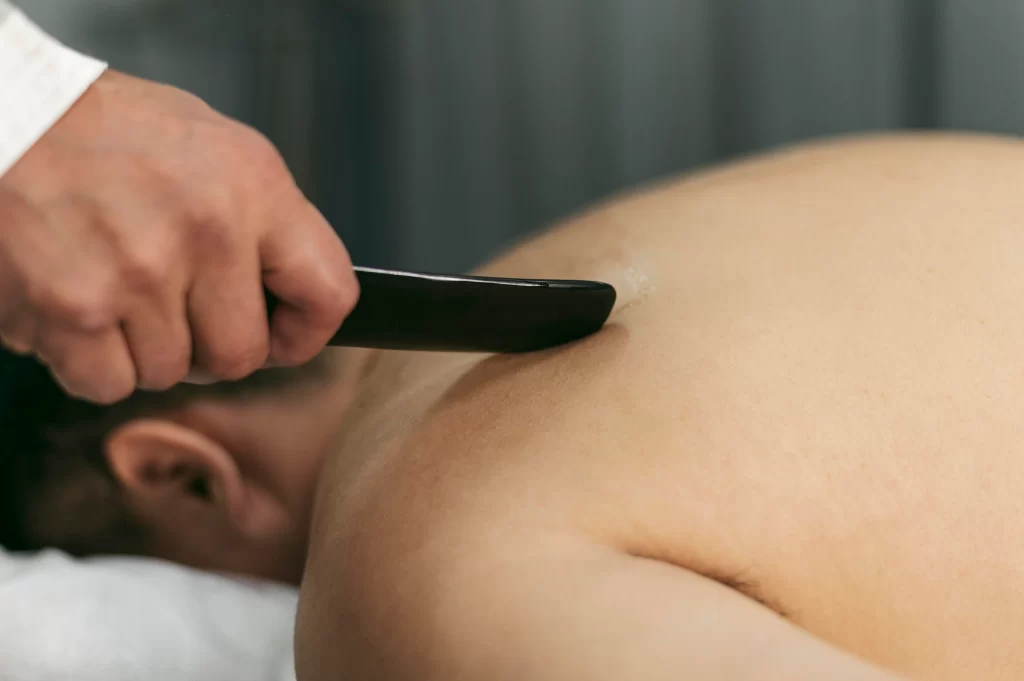
ASTYM is a non-surgical, non-invasive approach to treating damaged or scarred soft tissue. Your physical therapist uses specially designed tools to apply precise pressure along muscles, tendons, ligaments, and fascia.
The treatment stimulates your body’s natural regenerative processes without medications or injections. Sessions typically last 15-20 minutes as part of your overall physical therapy plan.
How ASTYM Differs from Traditional Manual Therapy
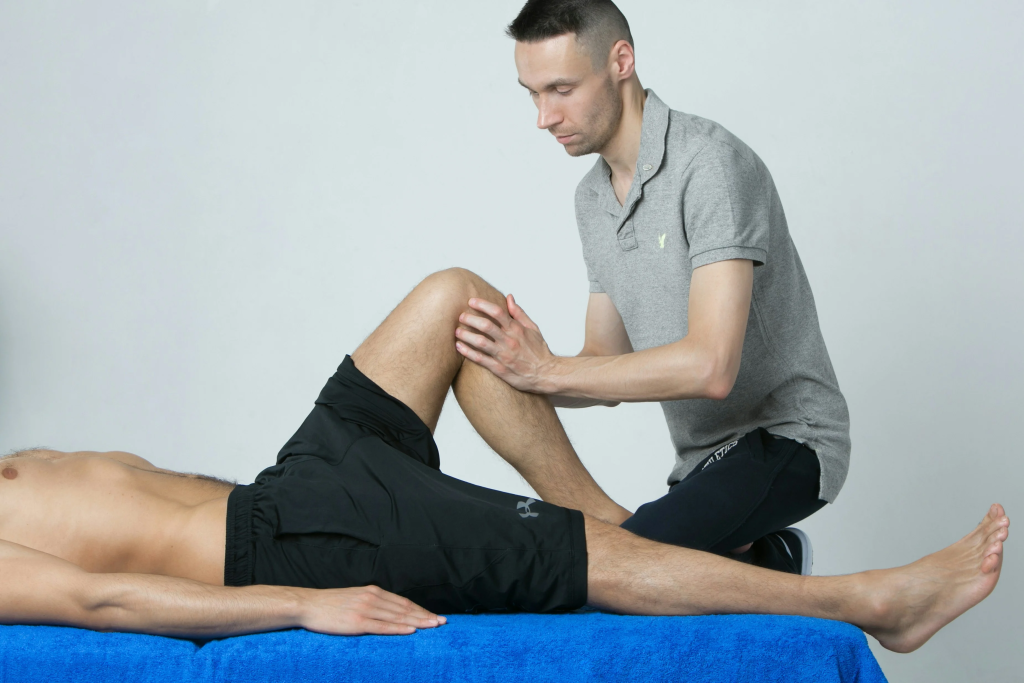
While massage therapy focuses on relaxation and general muscle tension, ASTYM treatment specifically targets dysfunctional tissue. The technique identifies areas where scar tissue, adhesions, or degeneration have developed.
Traditional stretching and strengthening exercises remain important, but they can’t always break down the fibrous tissue that limits your movement. ASTYM addresses these specific problem areas that other methods miss.
The Science Behind Tissue Regeneration
ASTYM works by initiating a controlled inflammatory response in damaged tissue. This process signals your body to absorb dysfunctional tissue and replace it with healthy, functional tissue.
The treatment essentially “resets” your body’s healing response in areas where healing had stalled or occurred improperly. Clinical studies have demonstrated significant improvements in pain reduction and functional mobility following ASTYM protocols.
How the ASTYM Technique Works
The astym technique follows a specific protocol that trained physical therapists use to achieve consistent results.
Identifying Dysfunctional Soft Tissue
Your therapist begins by conducting a thorough assessment to locate areas of restriction, scar tissue buildup, or tissue degeneration. These problem areas often feel different to the touch and may correspond with your pain or movement limitations.
Dysfunctional tissue can develop from old injuries, repetitive strain, surgery, or chronic inflammation. Sometimes these areas cause problems years after the original injury occurred.
The Treatment Application Process
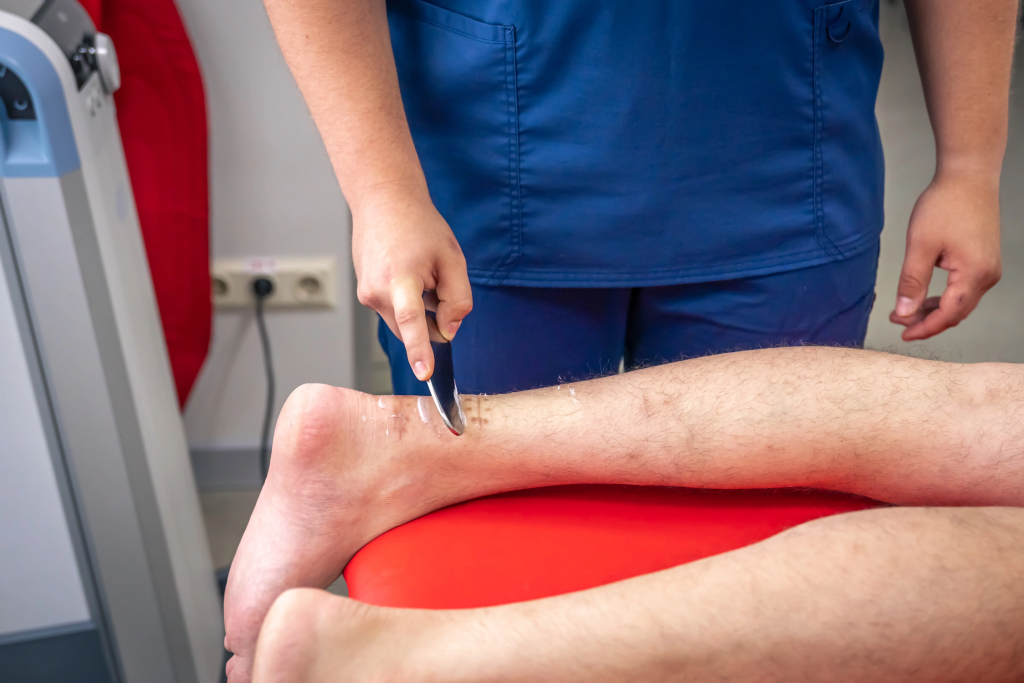
During ASTYM physical therapy, your therapist applies the specialized instruments along your skin in specific patterns. The tools allow for deeper, more precise treatment than hands alone can provide.
The pressure is firm but controlled, and most patients describe the sensation as tolerable rather than painful. Your therapist adjusts the intensity based on your comfort level and tissue response.
Stimulating Your Body’s Natural Healing Response
The key to ASTYM’s effectiveness lies in its ability to trigger regeneration. By creating controlled microtrauma to dysfunctional tissue, the treatment jumpstarts your body’s natural healing cascade.
This process breaks down scar tissue and encourages your body to build new, properly aligned collagen fibers. Over several sessions, damaged tissue gradually transforms into healthier, more flexible tissue.
What to Expect During an ASTYM Session
Your therapist will apply the instruments using a topical cream or gel to reduce friction. You’ll likely notice some redness in the treated area, which is a normal sign that blood flow has increased.
After treatment, you’ll perform specific stretches and exercises to reinforce proper tissue alignment. Most patients receive ASTYM 1-2 times per week for 4-8 weeks, though your specific timeline depends on your condition.
Conditions That Respond Well to ASTYM Treatment
Research and clinical experience have identified numerous conditions where astym demonstrates particularly strong results.
Chronic Tendinitis and Tendinosis
Conditions like tennis elbow, golfer’s elbow, and Achilles tendinitis often become chronic because damaged tissue never fully heals. ASTYM breaks this cycle by promoting true tissue regeneration rather than temporary symptom relief.
Patients with tendinosis, where tendons have degenerated over time, see improvements because the treatment addresses the underlying tissue quality. This leads to lasting pain reduction and restored function.
Post-Surgical Scar Tissue and Adhesions
After surgery, your body forms scar tissue as part of healing. Sometimes this scar tissue becomes excessive or restricts normal movement patterns.
ASTYM helps remodel post-surgical scar tissue so it becomes more pliable and functional. This can dramatically improve your range of motion and reduce pulling or tightness around surgical sites.
Plantar Fasciitis and Heel Pain
Plantar fasciitis involves chronic inflammation and degeneration of the tissue connecting your heel to your toes.
The astym technique targets the thickened, scarred fascia tissue that causes persistent heel pain. Many patients experience significant relief after other treatments like stretching, orthotics, or injections haven’t worked.
Carpal Tunnel Syndrome and Repetitive Strain Injuries
Soft tissue mobilization through ASTYM can reduce pressure on nerves compressed by scarred or swollen tissue. This makes it valuable for carpal tunnel syndrome and similar repetitive strain conditions.
By improving tissue quality around affected areas, ASTYM often helps patients avoid surgery or recover more quickly if surgery becomes necessary. The treatment addresses restrictions throughout the entire kinetic chain, not just the painful spot.
Sports-Related Soft Tissue Injuries
Athletes dealing with nagging injuries that limit performance often find relief through ASTYM. Conditions like IT band syndrome, hamstring strains, and shoulder impingement can all benefit from this approach.
The treatment helps restore normal tissue function so you can return to training and competition without compensatory movement patterns. This reduces your risk of future injuries while addressing current problems.
Why ASTYM Physical Therapy Delivers Results
Understanding the advantages of astym helps explain why physical therapists and patients trust this treatment approach.
Addresses the Root Cause, Not Just Symptoms
Pain medications and ice provide temporary relief, but they don’t fix damaged tissue. ASTYM targets the actual problem, whether that’s scar tissue, adhesions, or degenerated tendons.
By treating the source of your dysfunction, the results tend to be more permanent. You’re not just managing symptoms but actually healing the underlying issue through your comprehensive pain management plan.
Proven Track Record with Clinical Research
ASTYM isn’t experimental. It’s backed by peer-reviewed research demonstrating its effectiveness for various conditions.
Multiple clinical trials have shown significant improvements in pain scores, functional ability, and range of motion. The treatment has been refined over decades of clinical use and continues to evolve based on research findings.
Works When Other Treatments Haven’t
Many patients try ASTYM after exhausting other options without success. Physical therapy exercises, medications, injections, or even previous surgeries may not have resolved their chronic condition.
ASTYM offers hope for these difficult cases because it works differently than conventional approaches. By regenerating tissue rather than just reducing inflammation or strengthening muscles, it addresses problems other treatments can’t reach.
Complements Your Overall Rehabilitation Plan
ASTYM doesn’t replace your complete physical therapy program. Instead, it enhances the effectiveness of your exercises, stretches, and functional training.
When soft tissue restrictions are removed through ASTYM, your body responds better to strengthening and mobility work. This combination approach typically produces faster, more complete recovery than any single treatment alone.
Get Started with ASTYM at Absolute Physical Therapy and Fitness
If you’re struggling with chronic pain, limited mobility, or soft tissue injuries that haven’t improved with other treatments, ASTYM therapy might be the solution you’ve been looking for. Our experienced physical therapists at Absolute Physical Therapy and Fitness are trained in the ASTYM technique and can determine if this treatment is right for your specific condition.
We create personalized treatment plans that combine ASTYM with targeted exercises and functional training to help you achieve lasting results. Whether you’re dealing with plantar fasciitis, post-surgical scar tissue, chronic tendinitis, or sports injuries, we’ll work with you one-on-one to restore your mobility and reduce your pain.
Don’t let chronic soft tissue problems hold you back any longer. Contact us today to schedule an evaluation and discover how ASTYM can help you move better, feel better, and get back to the activities you love. Visit our services page to learn more about our comprehensive approach to rehabilitation and wellness.