

If you’ve ever woken up in the middle of the night with aching hips or struggled to find a comfortable sleeping position, you’re not alone. Hip pain at night is a common complaint that can disrupt your sleep and leave you feeling exhausted during the day.
Asking yourself “why do my hips hurt when I sleep?” is the first step toward finding relief. Whether you’re dealing with pressure from your mattress, inflammation in your joints, or an underlying condition, there are practical solutions that can help you sleep more comfortably and wake up feeling rested.
Related: The 4 Stages of Frozen Shoulder: Symptoms, Timeline, and Recovery
Why Do My Hips Hurt When I Sleep?: What Causes Hip Pain While Sleeping?
Hip pain in bed can stem from several different factors. Your body is in one position for hours at a time during sleep, which can put prolonged pressure on your joints and soft tissues. This extended pressure can irritate nerves, inflame tendons, and cause discomfort that wakes you up throughout the night.
Pressure Points From Your Sleep Position
When you lie in bed, your body weight concentrates on certain contact points. If you sleep on your side, most of that pressure falls directly on your hip joint. Over time, this constant compression can cause pain and stiffness, especially if your mattress doesn’t provide adequate cushioning or support.
The hip joint isn’t designed to handle this type of sustained, focused pressure for 7-8 hours each night. This is why many people notice their hip pain gets worse the longer they stay in bed.
Inflammation in the Hip Joint
Inflammation is your body’s natural response to injury or irritation, but it can become a source of chronic pain. When the tissues around your hip joint become inflamed, lying down can actually make the discomfort more noticeable. Without the distractions of daily activity, you’re more aware of the throbbing or aching sensation.
Nighttime inflammation can also increase if you’ve been particularly active during the day. Your body uses sleep as a time to repair itself, and that repair process can sometimes trigger inflammatory responses that cause hip pain while sleeping.
Bursitis and Tendon Issues
Bursitis occurs when the small, fluid-filled sacs that cushion your hip joint become inflamed. These bursae normally help reduce friction between bones and soft tissues, but when they’re irritated, even slight pressure can cause significant pain.
Tendonitis, or inflammation of the tendons around your hip, can also flare up at night. The tendons that connect your muscles to your hip bones can become strained from overuse or repetitive movements during the day, leading to nighttime joint pain when you’re trying to rest.
Arthritis Flare-Ups at Night
Arthritis hip pain at night is particularly common because inflammation tends to increase when you’re not moving. Many people with arthritis experience worse symptoms in the evening and during sleep due to lower levels of anti-inflammatory hormones like cortisol.
When you have arthritis, the cartilage in your hip joint breaks down over time. This creates bone-on-bone friction that becomes especially noticeable when you’re lying still. The lack of movement means less natural lubrication in the joint, which can increase stiffness and discomfort.
Why Side Sleepers Experience More Hip Pain at Night
Side sleeping is one of the most popular sleep positions, but it’s also one of the main culprits behind hip pain at night. When you sleep on your side, you’re essentially resting the entire weight of your upper body on one hip for hours at a time.
Uneven Weight Distribution on One Hip
Your hip wasn’t designed to bear your full body weight in a concentrated area for extended periods. When you lie on your side, that pressure creates an uneven distribution that can compress nerves, reduce blood flow, and irritate the soft tissues around your hip joint.
This side sleeper hip pain often affects the hip you’re lying on, but it can also impact the top hip. The top leg tends to pull downward due to gravity, which can strain the hip flexors and create tension in the lower back.
Mattress Firmness and Support Problems
A mattress that’s too firm won’t contour to your body’s natural curves, leaving your hip to press uncomfortably against a hard surface. On the other hand, a mattress that’s too soft won’t provide enough support, allowing your hip to sink too deeply and throwing your spine out of alignment.
The right mattress firmness varies from person to person, but most side sleepers need a medium to medium-soft mattress that cushions pressure points while still supporting proper spinal alignment. If you wake up with hip pain regularly, your mattress might be contributing to the problem.
Lack of Proper Pillow Support Between Knees
When you sleep on your side without a pillow between your knees, your top leg drops down and pulls on your hip. This twisting motion creates tension in your hip joint and lower back, leading to pain and stiffness by morning.
A pillow between your knees keeps your hips stacked and aligned, which reduces strain on your hip joints. This simple adjustment can make a significant difference in reducing causes of hip pain in bed.
Prolonged Pressure on the Same Side
Many people have a preferred sleeping side and spend most of the night on that same hip. This repetitive pressure night after night can lead to overuse injuries, inflammation, and chronic pain in that specific hip.
If you consistently wake up with pain on one side, it’s likely the side you sleep on most often. Training yourself to switch sides throughout the night or adjusting your sleep position can help distribute pressure more evenly.
What You Can Do to Reduce Hip Pain in Bed
The good news is that hip pain while sleeping doesn’t have to be a permanent problem. There are several practical strategies you can try to reduce discomfort and improve your sleep quality.
Adjust Your Sleeping Position and Add Support Pillows
Start by placing a pillow between your knees if you’re a side sleeper. This keeps your hips aligned and prevents your top leg from pulling down on your hip joint. Make sure the pillow is thick enough to keep your knees separated but not so thick that it pushes your top leg upward.
If you sleep on your back, try placing a pillow under your knees to take pressure off your lower back and hips. This slight elevation can reduce strain on your hip flexors and help you maintain a more comfortable position throughout the night.
Choose the Right Mattress for Hip Alignment
Investing in a quality mattress that supports your body type and sleep position is one of the most effective ways to address nighttime joint pain. Look for a mattress that provides pressure relief for your hips while keeping your spine in neutral alignment.
Memory foam and hybrid mattresses often work well for people with hip pain because they contour to your body’s shape while still offering support.
Consider replacing your mattress if it’s more than 7-10 years old, as older mattresses lose their supportive properties over time.
Perform Gentle Stretches Before Bedtime
Stretching before bed can help loosen tight muscles around your hips and reduce inflammation. Focus on gentle hip flexor stretches, figure-four stretches, and gentle leg swings to increase blood flow and flexibility.
Hold each stretch for 20-30 seconds without bouncing or forcing the movement. The goal is to relax your muscles and improve range of motion, not to push through pain. A consistent stretching routine can help reduce the severity of hip pain at night over time.
Apply Heat or Ice to Reduce Inflammation
Heat therapy can help relax tight muscles and improve circulation around your hip joint. Try using a heating pad for 15-20 minutes before bed to ease tension and promote relaxation.
If your hip pain is related to acute inflammation or recent injury, ice may be more effective. Apply an ice pack wrapped in a towel for 15 minutes to reduce swelling and numb the area. Never apply ice directly to your skin, as this can cause tissue damage.
Get Relief From Hip Pain at Night With Absolute Physical Therapy

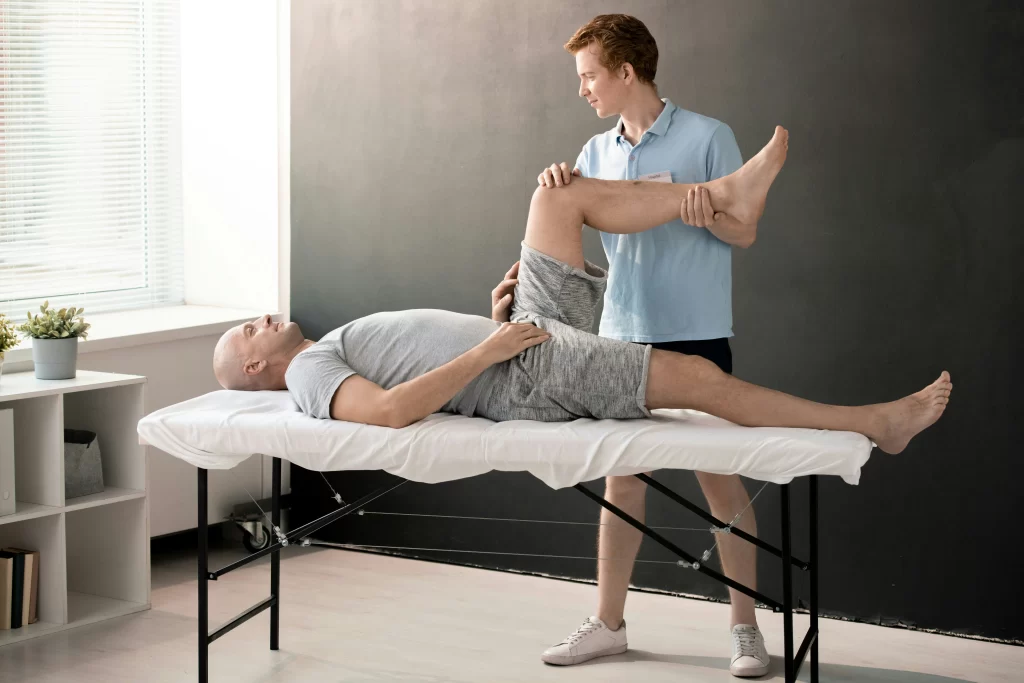
If you’ve tried home remedies and hear yourself saying “Why do my hips hurt when I sleep?”, it’s time to seek professional help. At Absolute Physical Therapy, we specialize in identifying the root causes of hip pain and creating personalized treatment plans that address your specific needs.
Our team understands how frustrating it is to lose sleep because of hip pain. We offer comprehensive physical therapy services that combine hands-on treatment, therapeutic exercises, and education to help you find lasting relief.
Whether you’re dealing with arthritis, bursitis, or general hip discomfort, our pain management approach focuses on reducing inflammation, improving mobility, and strengthening the muscles that support your hip joint. We’ll work with you to develop strategies that not only ease your nighttime pain but also prevent it from returning.
Don’t let hip pain continue to rob you of restful sleep. Contact us today to schedule an appointment and start your journey toward pain-free nights and energized mornings. Our Houston clinic is ready to help you move better, sleep better, and live better.