
That shooting pain from your hip down your leg isn’t something you have to live with. Whether it strikes when you’re getting out of bed, climbing stairs, or simply trying to enjoy a walk, this type of radiating pain can transform everyday activities into uncomfortable challenges.
You’re not alone. What causes hip pain that radiates down the leg affects millions of people, turning simple activities like walking, sitting, or even sleeping into uncomfortable challenges. The good news? This type of pain is your body’s way of telling you something specific needs attention, and with the right understanding and treatment approach, you can find lasting relief.
Whether you’re experiencing sharp shooting sensations, dull aching pain, or tingling that travels from your hip to your foot, identifying the root cause is the key to effective treatment. Understanding what causes hip pain that radiates down the leg empowers you to take control of your recovery and get back to living life on your terms.
What Are the Main Causes of Hip Pain That Radiates Down the Leg?
Sciatica and Nerve Compression Issues

Sciatica represents one of the most common sources of causes of nerve pain in hip and leg areas. This condition develops when your sciatic nerve becomes compressed or irritated, creating pain that travels from your lower back through your hip and down your leg. The sciatic nerve is your body’s longest nerve, and when pressure builds up from a herniated disc, bone spur, or tight muscle, it creates that characteristic shooting pain many people experience.
Piriformis syndrome offers another example of nerve-related discomfort, where your piriformis muscle spasms and irritates the nearby sciatic nerve. This condition often develops from prolonged sitting, repetitive activities, or muscle imbalances that can be corrected with proper treatment.
Meralgia paresthetica involves compression of the lateral femoral cutaneous nerve, creating numbness and tingling sensations on your outer thigh. This condition responds well to targeted therapy and lifestyle modifications that address the underlying causes.
Hip Joint Arthritis and Degenerative Conditions
Hip joint arthritis stands as a leading cause of hip joint pain spreading to leg areas, particularly affecting active adults who want to maintain their mobility. Osteoarthritis develops when hip cartilage wears down over time, but modern treatment approaches can significantly slow this process and maintain your quality of life. Many patients find that understanding what causes hip pain that radiates down the leg from arthritis helps them take proactive steps toward managing their condition effectively.
Rheumatoid arthritis affects the hip joint through inflammatory processes that respond excellently to comprehensive treatment programs combining therapy, movement, and lifestyle modifications. Early intervention makes a tremendous difference in managing this condition effectively.
Hip labral tears involve damage to the ring of cartilage around your hip socket. While this might sound concerning, many people with labral tears return to full activity with appropriate treatment that addresses both the tear and the underlying movement patterns that contributed to it.
Muscle Strains and Soft Tissue Injuries
Hip flexor strains occur when the muscles at the front of your hip become overstretched, often during activities involving quick movements or direction changes. These injuries respond exceptionally well to targeted rehabilitation that not only heals the strain but strengthens the area to prevent recurrence.
Hamstring strains affect the muscles along the back of your thigh and commonly occur in active individuals. The positive news is that proper treatment can often make your hamstrings stronger and more resilient than before the injury occurred.
Iliotibial band syndrome involves the thick tissue band running from your hip to your knee. This condition particularly affects runners and cyclists, but with the right approach, you can return to your favorite activities while building better movement patterns for long-term success.
How to Identify Different Types of Hip and Leg Pain Symptoms
Sharp, Shooting Pain from Nerve Issues
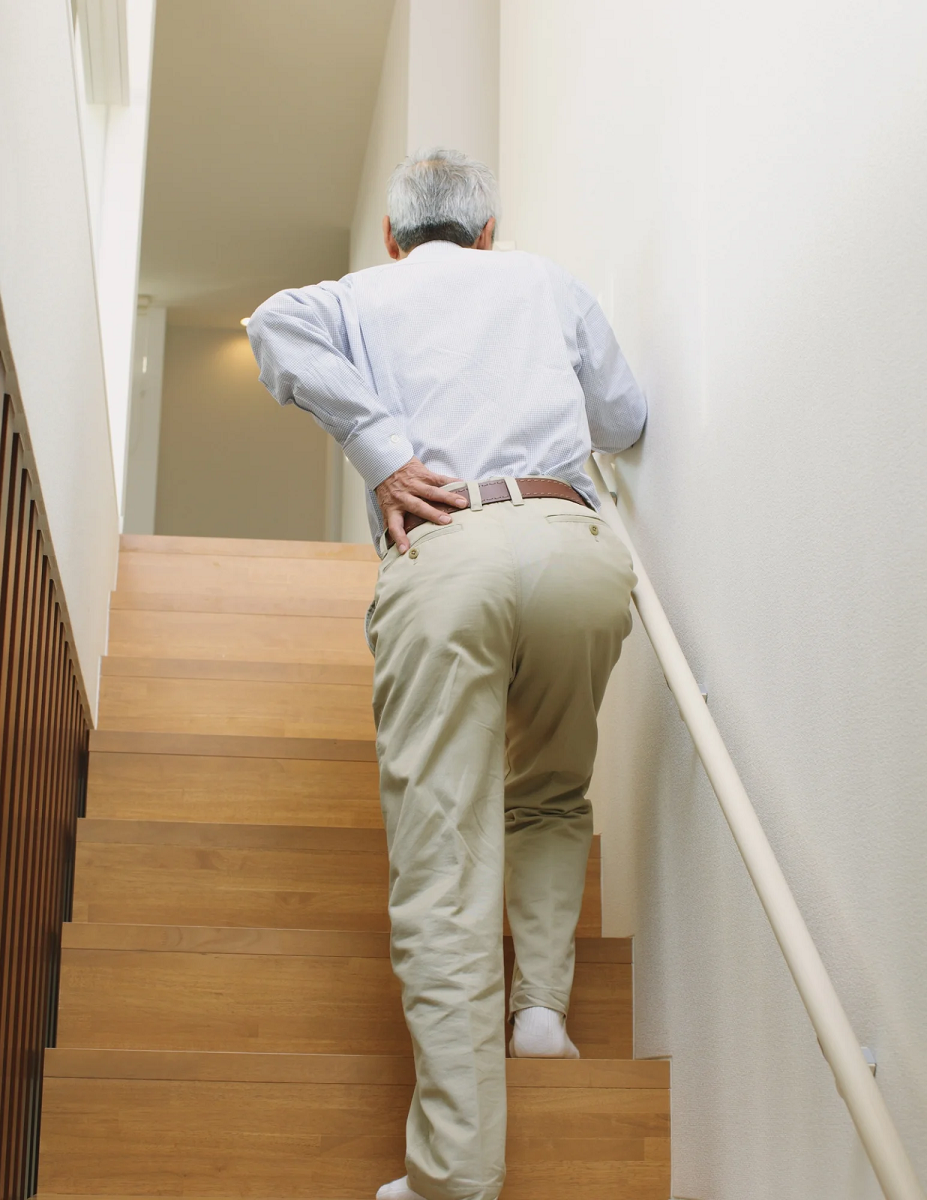
Hip pain radiating down leg symptoms from nerve involvement typically present as sharp, shooting, or burning sensations that follow specific pathways down your leg. This type of pain often feels like electric shocks or intense tingling that can extend all the way to your foot.
Nerve-related pain frequently worsens with specific movements like coughing, sneezing, or prolonged sitting. You might notice the pain is more intense after periods of rest, but the encouraging news is that nerve pain often responds quickly to appropriate treatment once the underlying cause is identified.
Hip and leg numbness may accompany nerve-related issues, creating sensations of tingling or areas that feel “asleep.” While this can be concerning, these symptoms typically improve significantly once proper treatment addresses the nerve compression or irritation.
Dull, Aching Pain from Joint Problems
Joint-related hip and leg pain typically creates deeper, more constant discomfort that develops gradually over time. This pain usually feels like a dull ache deep in your groin, buttock, or side of the hip that may extend down the front or inside of your thigh.
Morning stiffness often accompanies joint problems, where your hip feels tight when you first wake up but gradually improves as you move throughout the day. This pattern actually indicates that movement and appropriate exercise can be highly beneficial for managing joint-related discomfort.
Joint pain typically responds well to targeted interventions including specific exercises, manual therapy, and movement modifications that reduce stress on the affected joint while maintaining your active lifestyle.
Muscle Cramping and Stiffness Patterns
Muscle-related pain presents as cramping, tightness, or spasms in specific muscle groups around your hip and leg. Hip flexor issues create pain and stiffness at the front of your hip, particularly when lifting your leg or bending your hip during activities like getting in and out of cars.
Hamstring problems cause pain and tightness along the back of your thigh that may extend into your buttock. This discomfort often increases when bending forward or stretching your leg, but responds excellently to proper stretching techniques and strengthening exercises.
The encouraging aspect of muscle-related pain is that it typically improves quickly with appropriate movement, targeted stretching, and strengthening exercises that address the underlying muscle imbalances.
When Hip Pain Differs from Sciatica and Other Conditions
Location and Pattern Differences Between Hip and Nerve Pain
Understanding sciatica vs hip pain requires recognizing distinct location patterns that help identify the best treatment approach. True hip joint pain typically originates in the groin area and travels down the front or inner thigh, rarely extending below the knee. Knowing exactly what causes hip pain that radiates down the leg in your specific case makes all the difference in choosing the most effective treatment path.
Lower back and hip pain radiating to leg from sciatic issues usually starts in the lower back or buttock and travels down the back or outer side of the leg, potentially reaching your foot. This distinct pattern helps healthcare providers design the most effective treatment strategy for your specific situation.
Hip joint problems focus their discomfort in specific areas around the groin or side of the hip, while nerve-related pain follows the actual nerve pathways down your leg. Identifying these patterns allows for more targeted and effective treatment approaches.
Movement Triggers That Distinguish Each Condition
Different conditions respond to specific movement patterns in predictable ways, which actually helps guide the most effective treatment strategies. Hip joint problems typically increase with weight-bearing activities like walking or climbing stairs, but often improve with appropriate rest and targeted exercises.
Nerve-related pain such as sciatica often worsens with actions that increase spinal pressure, like coughing or prolonged sitting, while standing and walking may provide relief. Understanding these patterns helps you modify activities during recovery while working toward long-term solutions.
Muscle-related pain has distinct triggers that respond well to specific interventions. Hip flexor issues typically worsen when lifting your leg against resistance, while hamstring problems often increase with forward bending movements. These specific patterns guide targeted treatment approaches.
Associated Symptoms That Help Identify the Source
Additional symptoms provide valuable clues that help healthcare providers develop the most effective treatment plan for your specific situation. Tingling, numbness, or weakness in your leg typically suggests nerve involvement and responds well to treatments focused on relieving nerve compression.
Joint-related conditions often include morning stiffness and may involve grinding sensations when moving your hip. These symptoms indicate mechanical issues that respond excellently to targeted mobility work and strengthening exercises.
Muscle-related issues typically involve localized tenderness and muscle tension that you can often feel when pressing on the affected area. The positive aspect of muscle problems is that they usually respond quickly to appropriate treatment including stretching, strengthening, and manual therapy techniques.
What Treatment Options Work Best for Radiating Hip Pain
Physical Therapy and Targeted Exercise Programs
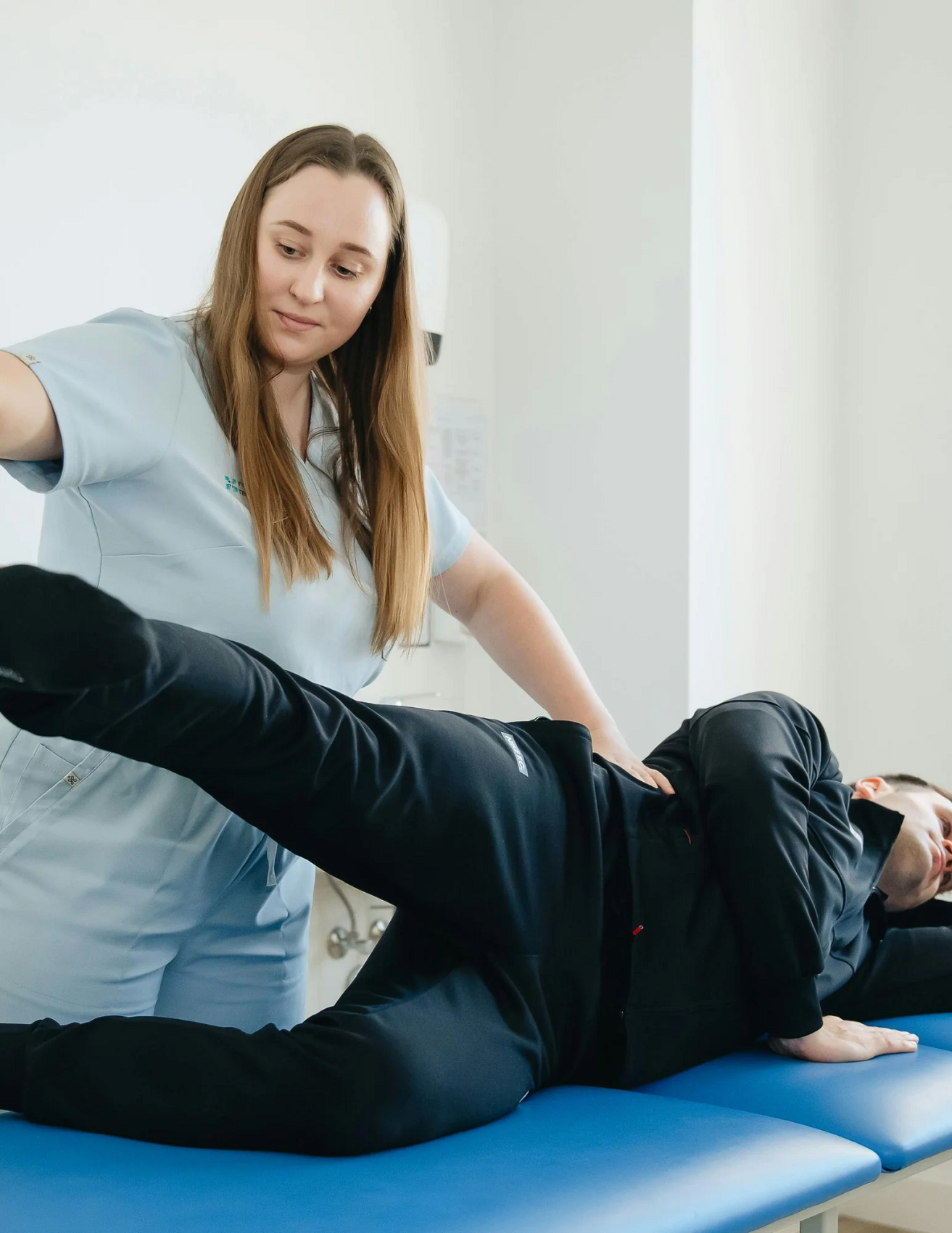
Physical therapy provides one of the most effective approaches for addressing what causes hip pain that radiates down the leg. Comprehensive physical therapy programs target both immediate pain relief and the underlying movement patterns that contributed to your discomfort, creating lasting solutions rather than temporary fixes.
Therapeutic exercises form the foundation of successful treatment, with programs specifically designed for your individual needs and goals. For nerve-related issues, targeted exercises reduce nerve tension and improve mobility through gentle stretching and positioning techniques that promote healing.
Manual therapy techniques performed by skilled professionals provide immediate relief while promoting long-term recovery. These hands-on treatments include joint mobilization to improve hip movement, targeted soft tissue work to address muscle tension, and specialized techniques that reduce nerve irritation and restore normal function.
Pain Management Techniques and Manual Therapy
Professional pain management utilizes advanced techniques that address the root causes of your discomfort rather than simply masking symptoms. Specialized treatments include trigger point therapy to release muscle tension, targeted stretching protocols, and manual techniques designed to restore normal movement patterns.
Therapeutic applications of heat and cold therapy play important roles in managing symptoms and promoting healing. Cold therapy helps reduce inflammation and nerve irritation during acute phases, while heat therapy promotes blood flow and muscle relaxation for chronic conditions. Your healthcare team will guide you on optimal timing and application methods.
Advanced therapeutic modalities complement hands-on treatment approaches to accelerate your recovery. These treatments help reduce pain, decrease inflammation, and promote tissue healing while supporting your body’s natural recovery processes.
Surgical and Post-Surgical Rehabilitation Options
When conservative treatments need additional support, surgical interventions can provide excellent outcomes for specific conditions. Hip arthroscopy addresses labral tears and hip impingement with minimally invasive techniques that preserve healthy tissue while correcting problematic areas.
Advanced procedures like hip replacement offer life-changing results for severe arthritis, allowing people to return to active lifestyles with significantly improved comfort and function. Modern surgical techniques and materials have dramatically improved outcomes and recovery times.
Post-surgical rehabilitation plays a crucial role in maximizing surgical outcomes and ensuring long-term success. Structured rehabilitation programs restore strength, mobility, and function while protecting healing tissues through carefully progressive phases that build from basic movements to full activity restoration.
Get Professional Help for Your Hip and Leg Pain in Houston with Absolute Physical Therapy
Transform your hip and leg pain from a daily struggle into a successfully managed condition. At Absolute Physical Therapy and Fitness, our experienced team creates personalized treatment plans that address your immediate comfort needs while building long-term solutions for lasting relief.
Whether you’re dealing with nerve compression, joint problems, or post-surgical recovery, we combine cutting-edge techniques with compassionate care to help you reclaim your active lifestyle. Contact us today to schedule your comprehensive evaluation and discover how quickly you can start feeling better while building strength for the future.