
Imagine walking up stairs without wincing, playing with your grandchildren without pain, or returning to the hiking trails you thought were behind you forever.
Knee replacement surgery recovery isn’t just about healing from surgery – it’s your pathway back to the active, pain-free life you’ve been missing. Whether you’re counting down the days until your procedure or taking your first steps post-surgery, this guide will be your roadmap to not just recovery, but to reclaiming the activities and adventures that matter most to you.
Related: Physical Therapy vs Personal Trainer
What to Expect During Your Knee Replacement Recovery Time
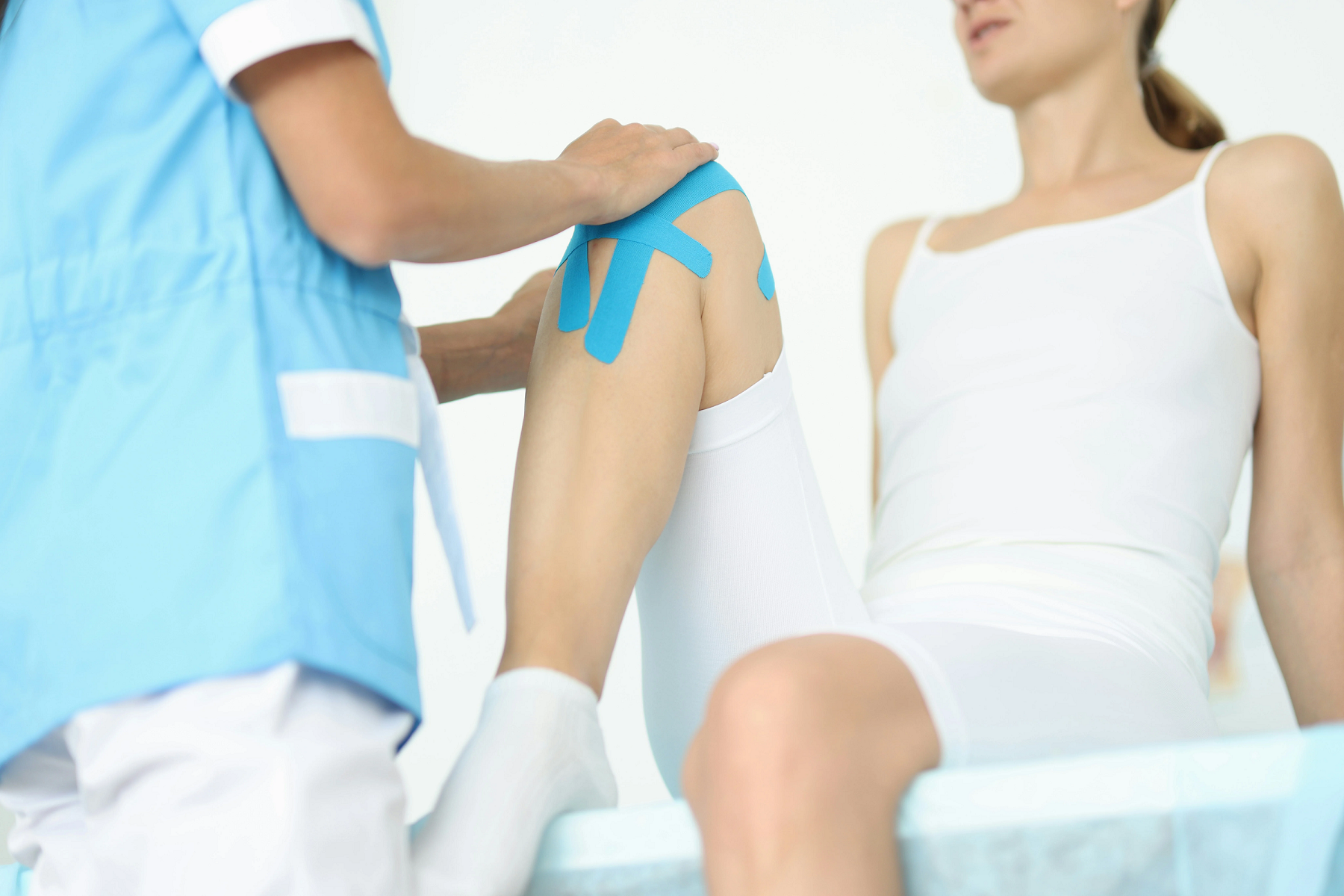
Understanding your recovery timeline empowers you to prepare effectively and celebrate each milestone along the way. Every patient’s healing journey is unique, but knowing the general phases helps you stay motivated and track your progress.
Timeline for Total Knee Replacement Healing
Most patients experience predictable improvements during their knee replacement recovery time. The first two weeks focus on pain management and basic mobility, with many patients walking short distances with assistance.
By six weeks, you’ll likely transition from a walker to a cane, and most daily activities become comfortable again. The three-month mark typically brings significant improvement in strength and range of motion, while full recovery often takes six months to a year for complete healing and return to all activities.
Partial Knee Replacement Recovery Differences
Partial knee replacement patients often experience accelerated healing compared to total replacement. Since less bone and tissue are affected, the recovery timeline is typically shorter, with many patients returning to normal activities within three to four months. The same phases of healing apply, just on a more efficient timeline that gets you back to your active lifestyle sooner.
Individual Factors That Affect Recovery Speed
Your age, overall health, weight, and pre-surgery activity level all influence your knee replacement surgery recovery. Patients who maintain good physical condition before surgery often heal more efficiently, while those with diabetes, heart conditions, or other health issues may benefit from additional time and specialized care. Following your surgeon’s instructions and staying committed to physical therapy significantly accelerates your recovery progress.
How to Prepare for Your Knee Replacement Post-Op Care
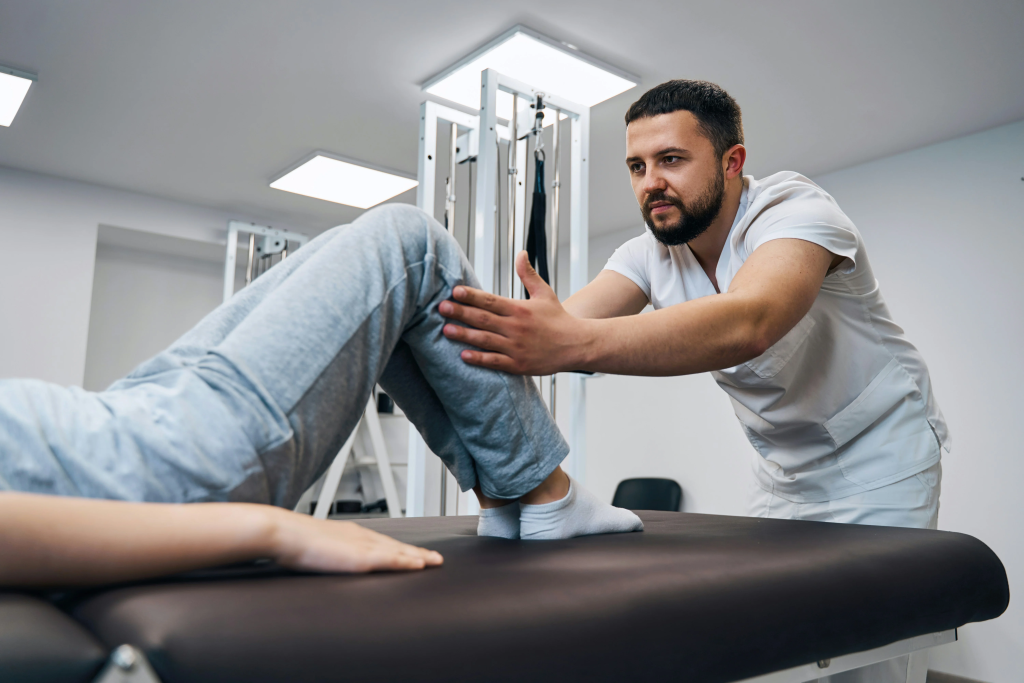
Proper preparation transforms your recovery into a smoother, more comfortable experience. Setting up your environment and gathering necessary supplies before surgery reduces stress and helps you focus entirely on healing.
Setting Up Your Home Recovery Space
Create a comfortable recovery area on your home’s main floor to eliminate stairs during early healing. Arrange a comfortable chair with excellent back support, ensure clear walking paths free of rugs or obstacles, and place frequently used items within easy reach. Consider installing grab bars in your bathroom and shower, and ensure you have bright lighting throughout your recovery space for safety and comfort.
Essential Medical Equipment You’ll Need
Your medical team will prescribe specific equipment for optimal knee replacement post-op care. This typically includes a walker or crutches for safe mobility, a raised toilet seat to reduce bending, an ice machine or cold therapy unit for effective swelling control, and compression stockings to promote healthy circulation. Some patients also benefit from a shower chair and long-handled reaching tools to maintain independence while healing.
Medication Management and Pain Control Planning
Understanding your pain management strategy before surgery ensures effective knee replacement post-op care. Your doctor will prescribe pain medications, anti-inflammatory drugs, and possibly blood thinners to prevent complications. Organize your medications in clearly labeled containers, set helpful reminders for dosing schedules, and discuss any questions about pain management with your healthcare team before surgery.
What Happens in Each Phase of the Knee Replacement Healing Process
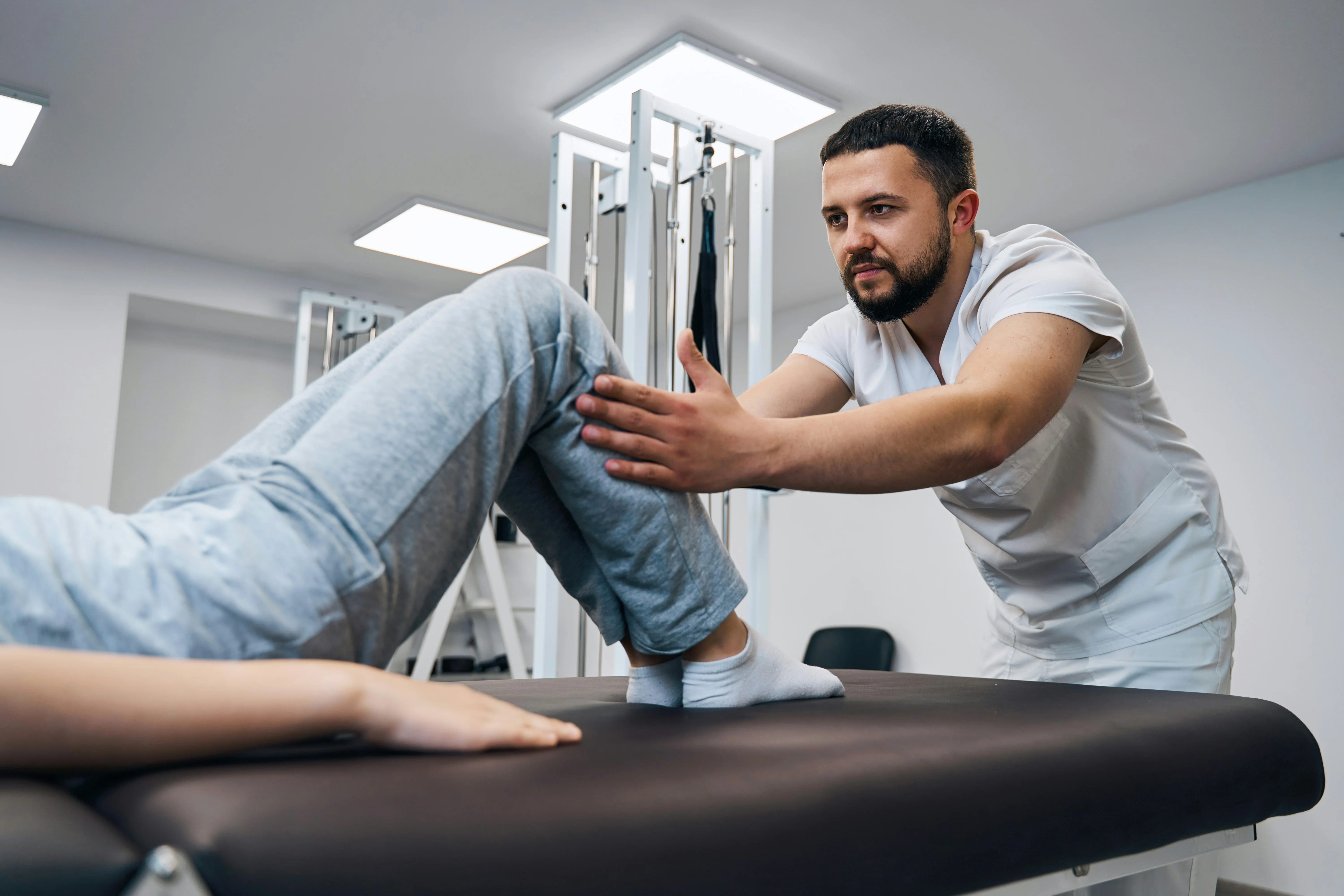
The knee replacement healing process follows distinct phases, each with specific goals and exciting milestones. Understanding these phases helps you recognize progress and stay motivated throughout your transformation.
Hospital Recovery Phase (Days 1-3)
Your hospital stay focuses on effective pain management, preventing complications, and beginning gentle movement. Physical therapists will help you stand and take your first steps, usually within 24 hours of surgery. You’ll learn to use assistive devices confidently and practice basic exercises to maintain flexibility. Most patients return home after two to three days, though some may benefit from a short rehabilitation stay depending on their support system.
Early Home Recovery Phase (Weeks 1-6)
This crucial phase of the knee replacement healing process emphasizes proper wound care, effective pain management, and gradual activity increases. You’ll attend regular follow-up appointments, begin outpatient physical therapy, and steadily increase your walking distance. Swelling and mild discomfort are normal during this time, and consistent improvement becomes noticeable week by week. Most patients can drive again by week 4-6, depending on which knee was replaced and their comfort level.
Active Recovery Phase (Months 2-6)
Your focus shifts to rebuilding strength, improving range of motion, and returning to enjoyable activities. Post-surgical rehab becomes more intensive during this phase, with exercises designed to restore full function. Many patients can return to work during this period, depending on their job requirements, and begin enjoying activities like swimming, cycling, or walking longer distances.
Full Recovery and Return to Activities (6+ Months)
The final phase of knee replacement surgery recovery involves returning to your desired activity level and maintaining your new knee’s optimal health. Most patients achieve excellent results by six months, with continued gradual progress up to one year. You can typically resume most sports and recreational activities, though high-impact activities may require your surgeon’s specific approval based on your individual healing progress.
Why Professional Knee Replacement Rehabilitation is Critical
Professional guidance throughout your recovery ensures optimal results and helps maximize your investment in better mobility. Working with experienced rehabilitation specialists creates the difference between good recovery and exceptional long-term outcomes.
Restoring Range of Motion and Flexibility
Professional therapists use proven techniques and exercises to restore your knee’s full range of motion. They monitor your progress closely, adjusting treatment as needed to prevent stiffness and optimize healing. With proper knee replacement rehabilitation, patients achieve better flexibility and function than those who attempt knee arthroplasty recovery without professional guidance.
Building Strength and Stability
Knee replacement rehabilitation focuses on rebuilding the muscles that support your new joint effectively. Therapists design progressive strengthening programs that safely challenge your healing tissues while protecting your surgical site. This systematic approach ensures you regain not just basic function, but the strength needed for long-term joint health and active living.
Preventing Complications and Setbacks
Professional oversight helps identify and address potential concerns before they become obstacles to your progress. Therapists recognize early warning signs and healing patterns that patients might miss. They also ensure you’re progressing appropriately according to established recovery protocols, modifying your program to optimize results if recovery needs adjustment.
How to Manage Pain and Discomfort While Recovering from Knee Replacement Surgery
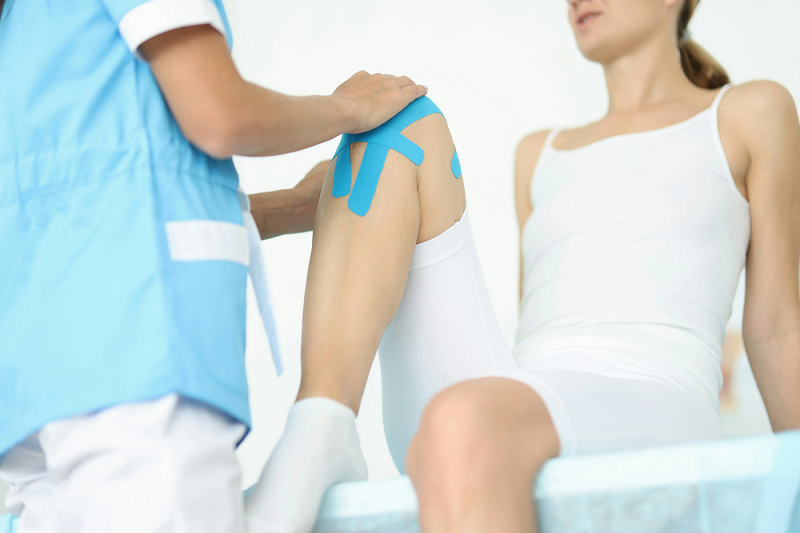
Effective pain management is essential for successful recovery and helps you stay active throughout the healing process. Combining multiple proven approaches typically provides the best results for managing discomfort and promoting healing.
Ice Therapy and Elevation Techniques
Cold therapy remains one of the most effective tools for managing post-surgical pain and swelling. Apply ice for 15-20 minutes several times daily, always with a barrier between ice and skin to protect tissue. Elevating your leg above heart level when resting helps reduce swelling and discomfort effectively. Many patients find that consistent use of ice and elevation significantly reduces their reliance on pain medications while promoting faster healing. The American Academy of Orthopaedic Surgeons recommends these techniques as standard care for optimal recovery outcomes.
Prescribed Pain Medication Guidelines
Take prescribed medications as directed, even if you feel relatively comfortable, to stay ahead of pain rather than chasing it. Consistent dosing in the early weeks actually helps you heal faster by allowing better sleep and more movement. Work closely with your healthcare team and our pain management specialists to adjust medications as your needs change throughout recovery.
Movement and Activity for Natural Pain Relief
Gentle, regular movement often provides superior long-term pain relief compared to staying sedentary. Walking, even short distances, helps reduce stiffness and improves circulation, which accelerates healing. Your prescribed exercises might feel mildly uncomfortable initially, but consistent movement prevents chronic stiffness and promotes the mobility you’re working to achieve.
Begin Your Knee Replacement Surgery Recovery with Absolute Physical Therapy
Recovering from knee replacement surgery doesn’t have to feel overwhelming when you have the right team supporting your journey. At Absolute Physical Therapy and Fitness, we’ve helped hundreds of Houston patients return to the activities they love most – whether that’s playing with grandchildren, enjoying evening walks, or getting back to weekend golf games.
We understand that every milestone matters, from your first pain-free night of sleep to confidently climbing stairs again. Our experienced team provides personalized care that addresses your specific goals, celebrating each step forward with you along the way.
Ready to take the next step toward your active, pain-free future? Contact us today to learn how we can help you achieve the best possible results from your knee replacement surgery.